How to Organize Humane Advocacy That Changes Law
Published by Nevada Animal Advocates
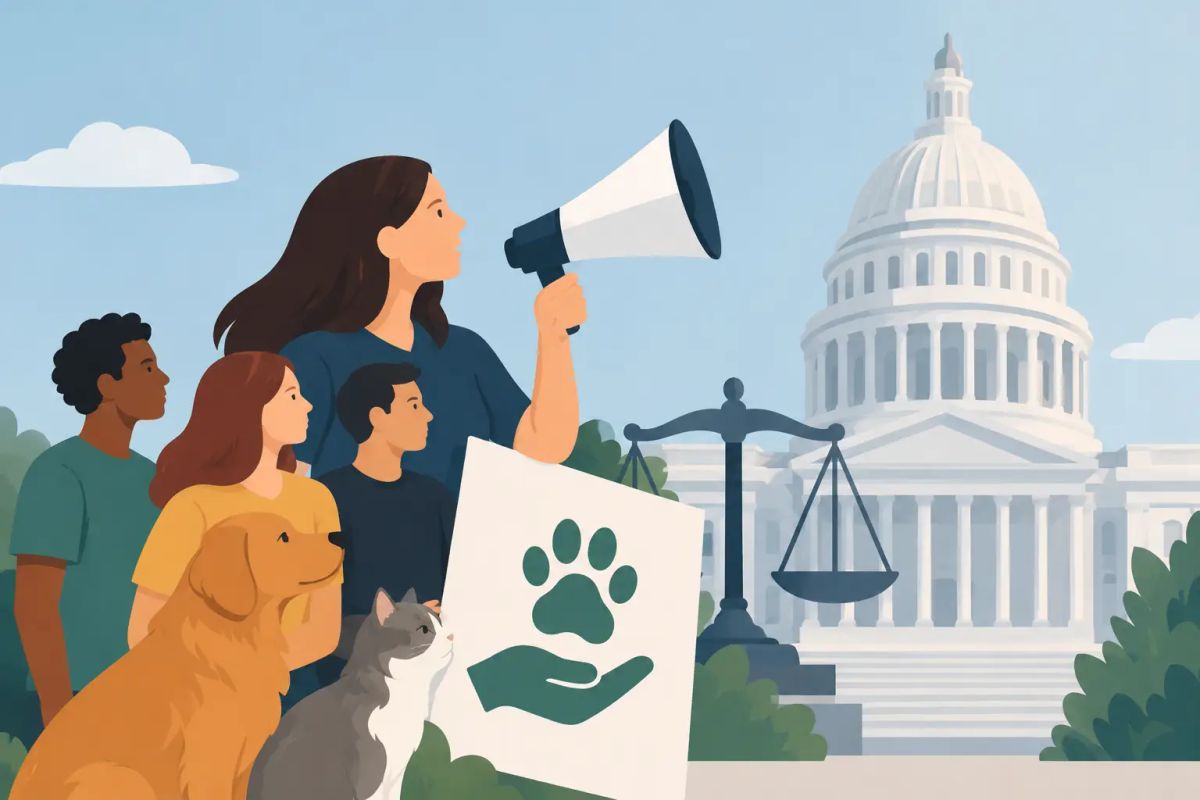
Animal cruelty does not stop because people are upset for a week. It stops when public concern becomes organized pressure: documented facts, enforceable laws, accountable agencies, and consequences that cannot be ignored. Learning how to organize humane advocacy means building that pressure with discipline, not simply collecting signatures or posting the most disturbing case online.
For advocates who want lasting reform, the goal is clear: move from reaction to infrastructure. A single case may expose a failure, but a coordinated campaign can change the policy, process, or enforcement standard that allowed that failure to continue.
Start With a Specific Failure You Can Change
Humane advocacy loses force when its mission is too broad. “Stop animal abuse” is morally clear, but it does not tell a legislator, sheriff’s office, prosecutor, or local agency what must happen next. A campaign needs a defined problem and a defined remedy.
Begin by identifying the breakdown. Is cruelty reporting difficult to navigate? Are cases being charged too weakly? Is there no public method for communities to identify people convicted of serious animal cruelty? Are animal control agencies underfunded, or are existing laws inconsistently enforced? Each issue calls for a different strategy.
Write a plain-language statement that names both the problem and the requested action. For example: Nevada needs consistent public accountability for qualifying animal cruelty convictions through an accurate, legally sound registry. That is more useful than a general demand for “justice.” It gives supporters something to repeat and decision-makers something to evaluate.
The remedy must also be realistic. A statewide registry may require legislation, funding, defined eligibility rules, agency responsibility, privacy safeguards, and a process for correcting errors. Demanding a policy without understanding its operational needs makes it easier for opponents to dismiss the effort as symbolic.
How to Organize Humane Advocacy Around Evidence
Moral urgency gets attention. Evidence earns credibility. Before asking the public or elected officials to act, build a factual record that can withstand scrutiny.
Collect publicly available court outcomes, agency reports, budget information, complaint procedures, and trends in enforcement. Record dates, jurisdictions, case dispositions, and the source of each claim. Separate allegations from convictions. Separate one agency’s failure from a statewide pattern unless the facts truly support a statewide conclusion.
This standard matters because animal welfare advocacy often operates in an emotionally charged environment. People may share incomplete reports, identify the wrong person, or demand action before an investigation is finished. That can harm innocent people, compromise legitimate cases, and weaken the credibility of the cause.
A strong advocacy group establishes clear rules for information. Do not publish private addresses, encourage harassment, or present accusations as facts. Public accountability is not vigilantism. It is a demand that institutions carry out their duty transparently, lawfully, and consistently.
When a campaign involves an abuse offender registry or other public-facing resource, accuracy is nonnegotiable. Eligibility standards must be clear. Information must be verified. Updates, removals, and corrections need a defined process. A tool meant to protect animals and communities must be designed to earn public trust.
Build a Coalition With Defined Jobs
A coalition is not a large contact list. It is a group of people and organizations that know what they are responsible for and why the work matters.
Start with those closest to the issue: animal welfare advocates, veterinarians, rescue leaders, investigators, attorneys, public safety professionals, journalists, and residents affected by cruelty cases. Not every participant needs to agree on every policy question. They do need to agree on the specific reform being pursued.
Assign practical roles early. One team can verify research and maintain records. Another can coordinate legislative outreach. A communications lead can prepare factual public statements and respond to misinformation. Volunteers can track public meetings, recruit supporters by district, or collect stories from people willing to speak on the record.
Do not assume social media reach equals organizing power. A post may reach thousands, but a constituent who attends a hearing, calls a legislator, or submits a concise written comment can carry more weight. The most effective campaigns convert public attention into measurable civic action.
Coalitions also need boundaries. Rescue organizations may be overwhelmed with direct-care demands. Journalists need independence. Prosecutors and law enforcement personnel may face ethical or professional limits on public advocacy. Respect those limits rather than treating every cautious partner as an opponent.
Turn Public Outrage Into a Legislative Plan
Legislation is where humane advocacy becomes durable public policy. It is also where vague demands fail. If the objective is a new law or stronger enforcement requirement, advocates need to understand who has authority, when decisions are made, and what evidence will move the process.
Identify the relevant decision-maker first. A local ordinance may be appropriate for a municipal issue, while a statewide registry or change to criminal penalties likely requires action at the state level. Some problems can be addressed through agency policy, training standards, or budget allocations rather than a new statute.
Then prepare a concise policy brief. It should explain the current gap, the proposed solution, how it would work, anticipated costs, and how success would be measured. Keep it focused. A legislator or staff member should be able to understand the request quickly and ask informed questions.
Personal testimony can make the issue real, especially when it comes from witnesses, survivors of related violence, animal protection professionals, or residents who encountered a systemic failure. But testimony should support the policy case, not replace it. The strongest message joins human experience with documented need and a workable proposal.
Expect resistance. Some officials may raise concerns about costs, administrative burden, due process, data accuracy, or unintended consequences. Those are not automatically bad-faith objections. Address them directly. A campaign that can explain safeguards, funding options, and implementation details is far harder to disregard.
Make Accountability Visible Without Causing Harm
Public pressure matters, particularly when agencies fail to explain how they handle animal cruelty complaints, investigations, charging decisions, or outcomes. But pressure is effective only when it is precise.
Ask public bodies for clear answers: What is the reporting process? Which agency investigates? What training is required? How are cases tracked? How often are charges reduced or dismissed? What prevents repeat offenders from slipping through gaps in communication? These questions shift the conversation from outrage to public responsibility.
Use public meetings, written comments, records requests, and direct constituent outreach to keep the issue visible. Share verified findings in language residents can understand. Name policy failures, not private individuals who have not been lawfully identified through reliable public records.
For a public accountability resource, clarity is a form of protection. People should understand what the information means, what it does not mean, and how to report errors. The purpose is to increase awareness and strengthen prevention, not to create a digital punishment system outside the law.
Measure Progress Beyond Likes and Headlines
Humane advocacy often produces early signs of attention: media coverage, comments, signatures, or a crowded public meeting. Those moments matter, but they are not the finish line.
Track whether officials committed to a meeting, whether a bill was drafted, whether a budget request was introduced, whether agency data improved, and whether enforcement practices changed. Keep a timeline of commitments and follow up publicly when deadlines pass.
Progress may be incremental. A first legislative session may produce a study, a working group, or narrower language than advocates hoped for. That does not mean the campaign failed. It may create the record, relationships, and public understanding needed for a stronger measure later. The trade-off is that compromise can move a policy forward, but advocates should not accept weak language that makes accountability meaningless.
Nevada Animal Advocates’ work reflects the value of building tools that outlast the news cycle. A public registry, policy campaign, or accountability initiative is strongest when it is treated as ongoing civic infrastructure, maintained with accuracy and defended with persistence.
Keep the Work Durable
Organizing humane advocacy is demanding because cruelty cases carry real grief and anger. Those emotions can fuel action, but they can also exhaust volunteers and fracture coalitions. Build a pace that people can sustain.
Document decisions. Train new volunteers. Preserve research in an organized system. Thank people for specific contributions, and make room for advocates who cannot attend every hearing but can still write, research, translate, monitor, or speak with neighbors. A movement becomes durable when it does not depend on one person carrying every task.
The next time an animal cruelty case exposes a gap in accountability, do more than ask whether people are angry. Ask what rule, system, or public record must change so that the same gap cannot keep harming animals. That is where humane advocacy becomes power.