Top Nevada Animal Protection Issues We Must Fix
Published by Nevada Animal Advocates
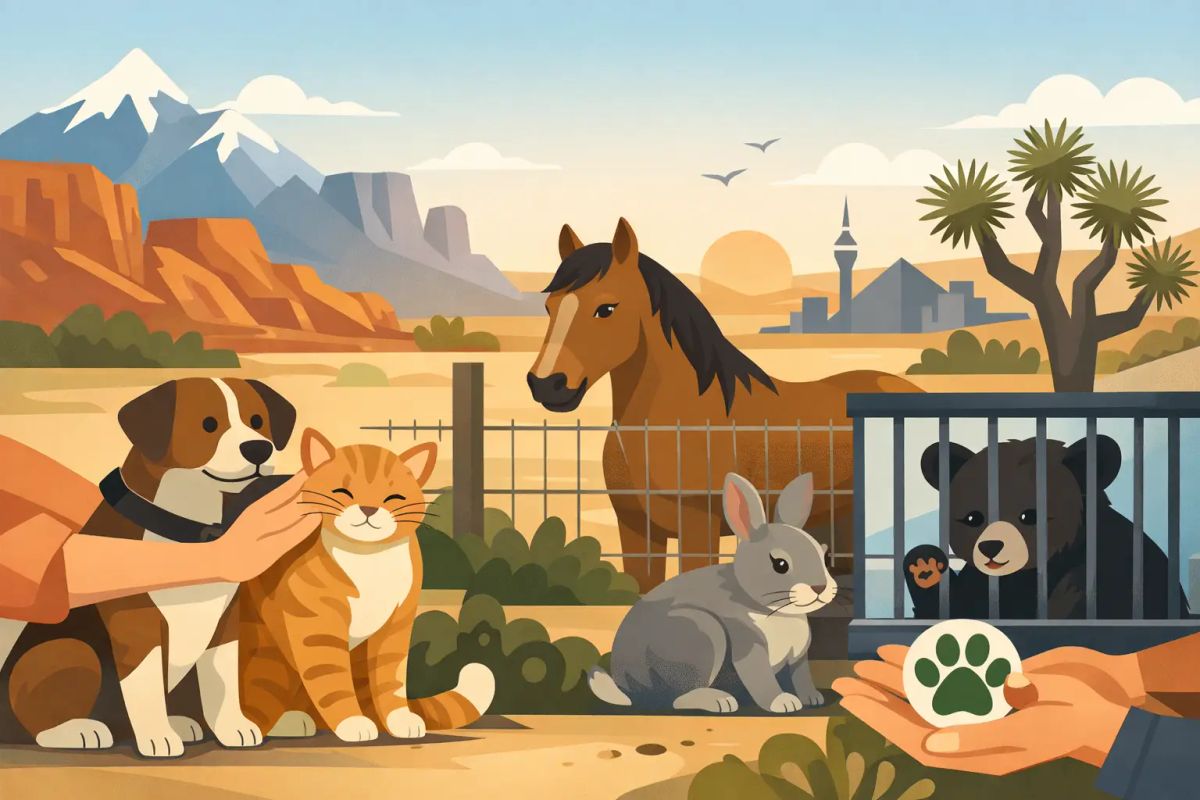
A cruelty case should not disappear once the immediate emergency is over. When an animal is removed, a citation is issued, or a conviction is entered, Nevada residents deserve to know whether the system produced real consequences and whether another animal could be at risk. That is why the top Nevada animal protection issues are not limited to individual acts of abuse. They are failures of prevention, enforcement, transparency, and public accountability.
Animal cruelty is a public safety concern. It harms vulnerable animals directly, strains shelters and local agencies, and can signal broader patterns of violence or neglect. Nevada needs laws that are enforceable, agencies with the resources to act, and public systems that do not allow repeat offenders to remain invisible.
Top Nevada Animal Protection Issues Demanding Action
1. Inconsistent enforcement of cruelty laws
A law has limited value when its enforcement depends entirely on where an animal is abused, which agency responds, or whether an officer has the time and training to investigate. Animal cruelty cases can involve local law enforcement, animal control, code enforcement, prosecutors, veterinarians, and nonprofit organizations. When those entities do not coordinate, evidence can be missed and cases can fall apart.
Nevada communities also vary widely in staffing, budgets, shelter capacity, and access to trained investigators. Rural jurisdictions may face long travel distances and limited specialized support. Urban agencies may confront high call volumes and overcrowded facilities. Those realities are not excuses for weak intervention, but they do show why statewide standards matter.
Stronger enforcement means clear protocols for documenting conditions, collecting evidence, obtaining veterinary assessments, and identifying every animal affected. It also means treating severe neglect with the seriousness it deserves. An animal does not need visible wounds to be suffering. Chronic deprivation of food, water, shelter, sanitation, or medical care can be lethal.
2. Weak public accountability for cruelty offenders
After a cruelty conviction, the public often has no practical way to determine whether an offender has restrictions on animal ownership or whether those restrictions are being followed. Neighbors, rescues, shelters, breeders, landlords, and potential adopters may have no access to information that could prevent another animal from being placed in danger.
This is the accountability gap a statewide animal abuse registry is designed to address. A carefully maintained, public-facing registry can make confirmed offenses visible, increase awareness, and support compliance with court-ordered animal ownership bans. It is not a substitute for due process. It should be based on reliable, legally appropriate records and administered with clear standards. But secrecy should not be the default after a person has been found responsible for animal cruelty.
Transparency changes the practical stakes. It gives communities a tool to ask whether restrictions are enforced, whether repeat patterns are being recognized, and whether institutions are protecting animals from foreseeable harm. Nevada Animal Advocates supports this kind of infrastructure because awareness without accountability leaves too many animals exposed.
3. Gaps in monitoring ownership bans and repeat abuse
A court order prohibiting someone from owning or possessing animals is only meaningful if someone can verify compliance. Too often, monitoring is unclear. An offender may acquire animals through a relative, move to another jurisdiction, advertise under another name, or continue operating in informal networks where oversight is minimal.
The policy challenge is not simply to impose longer bans. It is to make bans enforceable. Courts need clear language defining prohibited conduct. Agencies need a process for receiving and acting on credible reports. Information must move appropriately between courts, law enforcement, animal control, shelters, and other authorized entities.
There are trade-offs. Monitoring must respect legal boundaries and avoid turning unverified accusations into public punishment. Yet those concerns are reasons to build careful systems, not reasons to abandon oversight. The right standard is evidence-based accountability: verified records, clear reporting channels, and timely enforcement when violations occur.
4. Hoarding and chronic neglect treated too late
Animal hoarding is often misunderstood as a private problem or a simple matter of someone having too many pets. It can involve profound animal suffering: untreated disease, unsanitary confinement, malnutrition, deceased animals on a property, and conditions that endanger both people and animals.
These cases are difficult because they can develop over years. The person involved may resist intervention, lack resources, face mental health challenges, or insist that they are rescuing animals. Compassion for human hardship cannot require animals to endure preventable suffering. Early intervention, coordinated services, enforceable limits, and follow-up inspections are more humane than waiting for a crisis.
Nevada should prioritize policies that distinguish responsible animal care from dangerous accumulation. A single inspection or temporary removal may not solve a recurring problem. Long-term compliance plans and meaningful consequences for repeated violations are often necessary.
5. Commercial breeding and unregulated animal sales
Animals sold through informal online listings, roadside transactions, or poorly supervised breeding operations can disappear from public oversight. Buyers may receive animals with undisclosed illnesses, inadequate socialization, or no meaningful information about the conditions in which they were raised. Meanwhile, breeding animals may spend years confined in conditions that never reach public view.
This issue requires precision. Not every breeder is irresponsible, and regulation should not punish people who meet high standards of care. The public interest is in preventing neglect, fraud, and the routine treatment of animals as disposable inventory.
Effective safeguards can include enforceable care standards, inspection authority where appropriate, accurate recordkeeping, and consequences for deceptive or cruel practices. Stronger oversight also helps consumers avoid financing suffering they cannot see. When sellers operate without transparency, animals bear the cost.
6. The connection between animal cruelty and community safety
Animal abuse should not be dismissed as a minor offense because the victim cannot testify in human language. Deliberate cruelty, repeated neglect, and violence against animals can reveal dangerous behavior that affects households and neighborhoods. Responders who encounter animal cruelty may also find domestic violence, child endangerment, unsafe living conditions, or illegal activity. The reverse can be true as well: people responding to family violence may discover animals at risk.
Cross-reporting and coordinated response can save lives, but it must be built responsibly. Agencies need training on when and how to share information, how to preserve confidentiality, and how to connect victims with appropriate support. The goal is not to make speculative claims about every offender. The goal is to recognize known warning signs and refuse to treat animal victims as irrelevant.
7. Prevention before a crisis becomes a case
Enforcement is essential, but prevention reduces suffering before it reaches a courtroom. Residents need to know what neglect looks like, how to document concerns safely, and where to report suspected cruelty. They also need confidence that reporting will lead to a meaningful review rather than a dead end.
Public education should be direct. Persistent lack of food or clean water, untreated injuries, dangerous confinement, exposure to extreme weather, filthy conditions, and abandoned animals all warrant attention. A resident should not confront a suspected abuser alone. They should record only what they can observe lawfully, preserve relevant dates and details, and report through the proper local channels.
Prevention also includes practical support for people who want to do the right thing but are overwhelmed by veterinary costs, housing instability, or an unexpected number of animals. Assistance programs can prevent some neglect cases. They cannot excuse intentional cruelty or repeated disregard for court orders. Both support and consequences have a place.
What Nevada Residents Can Demand
The public should expect more than sympathetic statements after an abuse case becomes news. Residents can demand transparent outcome data, reliable cruelty investigations, training for frontline responders, enforceable ownership restrictions, and laws that reflect the seriousness of animal abuse. They can also ask elected officials whether current penalties, reporting practices, and agency resources actually prevent repeat harm.
Pressure matters when it is sustained and specific. A call for “better protections” is easy to ignore. A demand for a statewide registry, clear enforcement standards, and public reporting on cruelty case outcomes is harder to dismiss. Policymakers respond when constituents make clear that animal protection is a matter of justice, safety, and accountable government.
Every animal cruelty case presents a choice for the community: treat it as an isolated tragedy, or build safeguards that make the next case less likely. Nevada should choose safeguards strong enough to be seen, enforced, and trusted.