
Animal Neglect Is Abuse, Not a Private Matter
Published by Nevada Animal Advocates

Animal neglect is often dismissed as a bad living situation, a neighbor’s personal business, or a problem that can wait. For the animal confined without food, water, shelter, medical care, or basic sanitation, it is none of those things. It is suffering - and it can become fatal long before a case reaches public attention.
Neglect deserves the same public urgency as overt violence. A person does not have to strike an animal to cause profound harm. Failing to provide necessities is an act of cruelty when the result is predictable pain, illness, fear, or death. Communities that treat neglect as a minor concern leave animals without protection and give repeat offenders room to continue.
What Animal Neglect Looks Like
Animal neglect is a pattern of failing to meet an animal’s basic needs. The details vary by species, climate, age, health status, and the animal’s living conditions. A dog outdoors in Nevada heat, for example, faces risks that cannot be separated from access to clean water, adequate shade, safe shelter, and timely intervention when distress appears.
Not every thin animal is neglected. Some animals have medical conditions, are newly rescued, or are receiving veterinary care that may not be visible to a passerby. The question is not whether an observer can diagnose the animal from a distance. The question is whether there are credible signs that its needs are repeatedly going unmet and whether the responsible person is taking appropriate action.
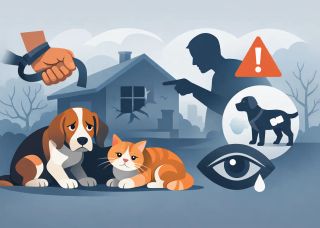
Warning signs may include an animal left without visible water, food, shade, or weather-appropriate shelter; untreated wounds, severe matting, limping, or obvious illness; confinement in dangerous or filthy conditions; excessive waste accumulation; and animals repeatedly escaping because fencing or housing is unsafe. Persistent barking, crying, or visible distress can also warrant concern, especially when paired with poor living conditions.
A single observation may be enough in an emergency. More often, neglect becomes clear as a pattern: the same animal is continually exposed to extreme temperatures, its condition worsens over time, or promises to correct the situation lead nowhere.
Neglect Is a Public Safety and Accountability Issue
The damage caused by animal neglect does not stop at a property line. Animals subjected to chronic deprivation can become injured, sick, fearful, or desperate. Unsecured animals may escape, reproduce, create hazards for neighbors, or enter already overburdened shelter systems. Cases involving severe hoarding can affect sanitation, housing safety, and vulnerable people in the same household.
There is also a larger accountability concern. When cruelty offenses are handled quietly, minimized, or poorly tracked, the public cannot see whether offenders are repeating harmful conduct. Courts, agencies, landlords, adopters, rescues, and community members may lack information needed to make informed decisions and protect animals from future harm.
That is why public-facing accountability tools matter. A properly maintained registry centered on verified animal cruelty offenses can make patterns visible. It should not replace due process or turn unverified accusations into public punishment. It should provide accurate, responsible transparency after legal findings, so consequences do not disappear the moment a case leaves the headlines.
Nevada Animal Advocates supports this kind of practical accountability because awareness without consequences is not enough. Animals need laws that are enforced, records that are accessible, and systems that make repeat abuse harder to hide.
When a Bad Situation Becomes an Emergency
Some situations require immediate action rather than further observation. Contact emergency services or local animal control promptly if an animal appears to be in immediate danger - for example, trapped in a hot vehicle, collapsed from heat exposure, seriously injured, entangled, attacked, or without urgent medical care.
Extreme heat deserves special attention in Nevada. Heat can overwhelm an animal quickly, particularly animals without water, shade, ventilation, or a way to leave a hot surface. Do not assume that a backyard, patio, kennel, or vehicle is safe simply because the animal is outside or the windows are cracked. If the animal is showing signs of severe distress, time matters.
For non-emergency concerns, a careful report is still valuable. Animal control agencies and law enforcement need enough specific information to assess conditions and respond appropriately. Vague reports may communicate concern, but concrete facts make action more likely.
How to Report Suspected Animal Neglect Responsibly
Start by recording what you can observe from a lawful public location. Note the address or precise location, date and time, number and type of animals, and the conditions you witnessed. Describe facts rather than assumptions: “No water was visible at 3:00 p.m. while two dogs were confined outdoors,” is more useful than “The owner never gives them water.”
If it is safe and lawful, photographs or video can help document conditions. Do not trespass, enter someone’s property, remove an animal, or provoke a confrontation. Those actions can place you and the animal at greater risk, interfere with an investigation, and create legal complications.
Report suspected neglect to the appropriate local animal control agency, humane law enforcement authority, or police department. If the concern continues, follow up and document new incidents. Persistence is not harassment when it is grounded in specific, good-faith information about an animal’s welfare.
Keep expectations realistic. Agencies must often investigate, verify ownership, assess legal standards, and determine whether intervention is authorized. That process can be frustrating when suffering appears obvious. Still, detailed reporting creates a record, and records matter when neglect is repeated or escalates.
Why Stronger Laws Must Address Chronic Neglect
Many cruelty laws are strongest when an animal is already near death, severely injured, or visibly abandoned. That threshold is too late. Chronic neglect often unfolds in plain sight through repeated failures that may appear individually minor but become devastating over weeks or months.
Effective laws and enforcement standards should recognize cumulative harm. They should support earlier intervention, meaningful penalties for repeat offenders, enforceable restrictions on future animal ownership when warranted, and clear procedures for seizure and care of animals in dangerous conditions. They should also provide agencies with adequate training, staffing, and resources. A law on paper cannot protect an animal if investigators have impossible caseloads or no safe place to hold seized animals.
There are trade-offs. Agencies must respect due process and distinguish a person facing temporary hardship from someone who willfully or repeatedly refuses to provide care. But compassion for people cannot require animals to endure preventable suffering. The appropriate response may include education, access to services, monitoring, or prosecution depending on the facts. What it cannot include is indifference.
What Communities Can Demand
Public pressure is most effective when it is informed and specific. Residents can ask elected officials whether cruelty statutes address neglect before a crisis occurs, whether repeat offenders can be prohibited from possessing animals, and whether enforcement agencies publicly report outcomes. Journalists and advocates can examine whether serious cases lead to meaningful consequences or simply disappear into administrative silence.
Community members can also reject the language that minimizes neglect. “They are just animals,” “someone else will call,” and “it is not my business” are not neutral statements. They are excuses that allow suffering to continue.
Animals cannot document their conditions, file complaints, testify about months without care, or demand that a court take their pain seriously. People can. When neglect is visible, responsible action turns concern into protection - and turns public outrage into the accountability animals deserve.