Top Warning Signs of Repeat Animal Abuse
Published by Nevada Animal Advocates
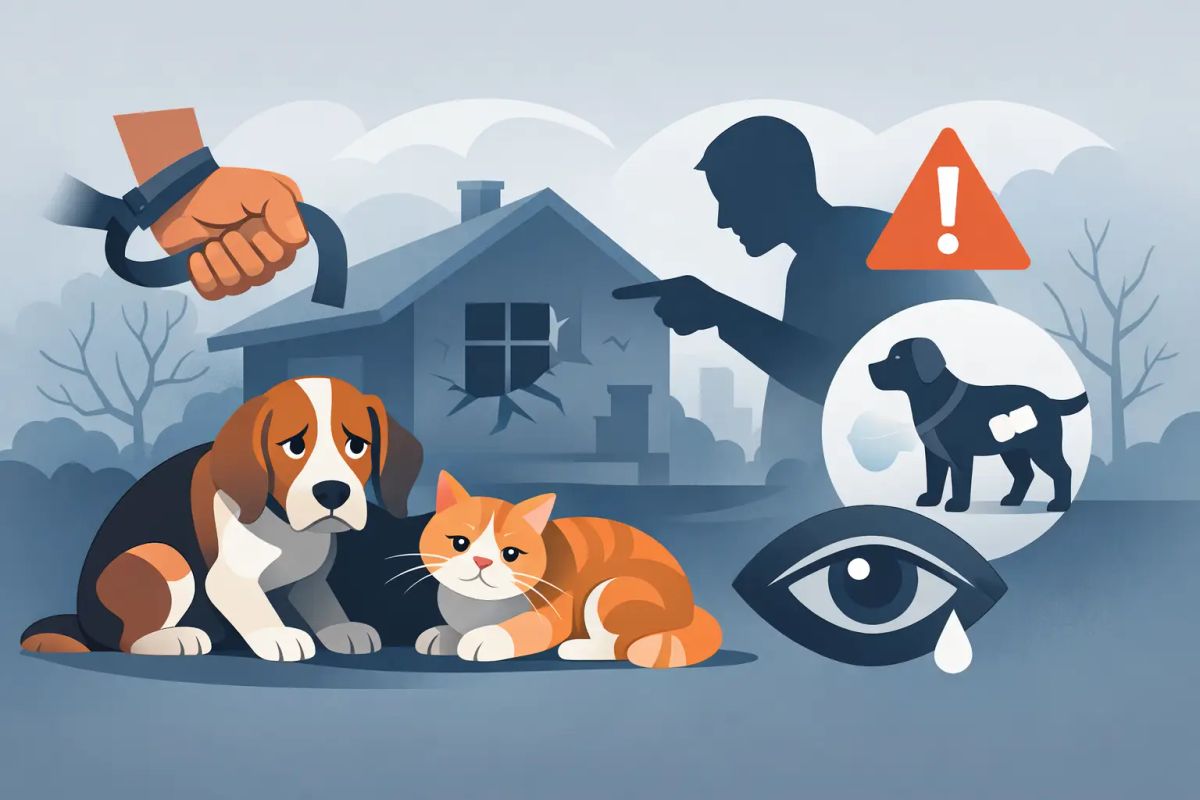
A single cruelty case should never be treated as isolated by default. When people ask about the top warning signs of repeat animal abuse, they are really asking a harder question: how do we recognize a pattern before more animals are harmed? That question matters to neighbors, shelters, investigators, journalists, and policymakers alike, because repeat abuse rarely appears out of nowhere.
Animal cruelty often follows a pattern of escalation, rationalization, and weak accountability. Some offenders are caught once after harming animals many times. Others move between households, jurisdictions, or types of animals, leaving behind a trail that is easy to miss when records are fragmented and enforcement is inconsistent. If communities want prevention instead of reaction, they need to know what to look for.
Why repeat abuse is different from a one-time lapse
Not every harmful situation looks the same. A person may fail an animal out of ignorance, instability, addiction, mental health crisis, deliberate cruelty, or a mix of several factors. That does not excuse the harm. It does mean that identifying repeat abuse requires more than outrage alone.
The central issue is pattern. Repeat abuse is not just a second allegation. It is recurring conduct, repeated neglect, chronic unsafe conditions, prior interventions that changed nothing, or behavior that shifts form while keeping the same result: animals continue to suffer. A person who repeatedly acquires animals they cannot or will not care for presents a different level of public concern than someone involved in a first documented incident with genuine corrective follow-through.
That distinction matters for courts, animal control, and the public. It also matters for legislation. Systems that treat each case in isolation often miss the strongest predictor of future harm - past harm.
Top warning signs of repeat animal abuse
Prior cruelty, neglect, or abandonment complaints
The clearest warning sign is a documented history. Prior complaints do not all carry equal weight, and not every report is substantiated. But repeated calls involving starvation, untreated injuries, abandonment, hoarding conditions, violent handling, or dead animals on the property should never be brushed aside as bad luck or a misunderstanding.
A single conviction is serious. Multiple complaints across time are a red flag even when enforcement did not lead to charges in every instance. Sometimes the barrier is evidence, witness cooperation, agency capacity, or weak statutes, not innocence.
Repeated animal turnover
One common sign is a revolving door of animals. Pets appear, then disappear. New litters replace older dogs. Cats vanish and are quickly replaced. A person may claim animals ran away, were rehomed, or died from unrelated causes, over and over again.
On its own, pet turnover can have innocent explanations. Life changes happen. But constant replacement paired with rumors of neglect, visible poor condition, or prior complaints points to a deeper problem. Repeat abusers often rely on the fact that many people do not track what happened to the last animal.
Chronic untreated injuries or visible deterioration
Animals do not stay emaciated, wounded, parasite-ridden, or severely ill by accident over extended periods. Chronic untreated suffering is one of the strongest indicators that the harm is ongoing, not incidental.
Watch for animals with recurring wounds, limping that never improves, patchy fur from untreated skin disease, embedded collars, overgrown nails, severe weight loss, or obvious dental decay. These conditions tell a story about duration. They suggest repeated disregard for pain, not a brief lapse.
Unsafe confinement and environmental filth
Repeat abuse often shows up in the environment before a dramatic act of violence becomes public. Animals confined in extreme heat or cold, living without clean water, surrounded by feces, trapped in small enclosures, or exposed to hazardous debris are not in a temporary bad situation. They are in a system of neglect.
This is especially relevant in places with severe weather. In Nevada, prolonged exposure to heat is not a minor concern. It can be fatal. When unsafe confinement is persistent, it signals that the owner has already been willing to ignore obvious risk.
Escalating severity over time
Another warning sign is escalation. What begins as inadequate shelter can become starvation. What begins as rough handling can become blunt-force trauma. What begins as neglect of one animal can spread to many animals.
Escalation matters because repeat abuse is rarely static. If early warning signs bring no meaningful consequence, some offenders become more reckless. Others become more skilled at concealment. Either way, the risk to animals grows.
Behavioral patterns that should not be ignored
Blaming everyone except the offender
Repeat abusers often deflect. The dog was aggressive. The cat was sick anyway. A neighbor is harassing them. Animal control is overreacting. A former partner is lying. Sometimes complaints can be malicious, and investigators should assess evidence carefully. But constant deflection with no corrective action is a familiar pattern.
Accountability has a recognizable opposite: excuses without change. When animals continue to suffer and the owner's story is always that someone else is to blame, that should raise concern.
Refusal to cooperate with basic welfare checks
People have rights, and due process matters. But persistent obstruction can still be a warning sign. Refusing access, moving animals before inspection, giving false information, or repeatedly avoiding contact with authorities can indicate someone is trying to prevent documentation of ongoing harm.
This is not a rule without exceptions. Distrust of authorities exists for many reasons. Still, when obstruction is paired with physical signs of neglect or a known complaint history, the concern becomes much more serious.
Quick reacquisition after animals are removed
One of the most overlooked signs of repeat abuse is speed. If animals are surrendered, seized, or die under suspicious or clearly neglectful conditions, and the same person quickly acquires more animals, the risk is obvious. Without enforceable restrictions, the cycle simply starts again.
This is where policy failures become visible. If there are no strong monitoring systems, no meaningful bans, and no public transparency, communities are left hoping that someone who already harmed animals will suddenly stop.
What the top warning signs of repeat animal abuse mean for public safety
Animal abuse is often treated as a private matter. It is not. Repeat cruelty reflects disregard for suffering, contempt for accountability, and a willingness to ignore basic legal and moral boundaries. That should concern any community, even those focused primarily on human safety.
There is long-standing concern among advocates and researchers about the overlap between animal abuse and other forms of violence or coercive control. That does not mean every person who neglects an animal will commit other crimes. It does mean repeated cruelty should be taken seriously as a warning sign of broader instability, dangerous behavior, or escalating aggression.
For journalists and policymakers, that point is critical. Weak consequences do not stay contained. They teach offenders that harm can continue without lasting scrutiny.
Why records and transparency matter
Repeat abuse is easier to stop when communities can identify patterns. That is why public accountability tools matter. A registry, when designed responsibly and grounded in legal standards, can help close the gap between scattered incidents and visible history.
Without transparency, every new case is presented as if it exists in a vacuum. Neighbors may not know there were prior offenses. Rescues may unknowingly place animals in unsafe hands. Prosecutors may face fragmented information. Lawmakers may underestimate how often abuse repeats because the data is buried across agencies and court files.
Transparency is not about spectacle. It is about prevention. Nevada Animal Advocates has centered that principle because accountability works best when the public can see the pattern before another animal pays the price.
What community members should do when they see these signs
The first step is documentation. Dates, photos, videos, address details, animal descriptions, license plate numbers when relevant, and clear notes about what was observed can make the difference between a vague complaint and actionable evidence. Speculation is less useful than precise facts.
The second step is reporting to the appropriate authority, which may be local animal control, law enforcement, or a humane investigations unit depending on the jurisdiction. If the danger is immediate, urgency matters. If the abuse appears chronic, persistence matters. One report may not be enough when the underlying problem is ongoing.
The third step is follow-through. Ask for a case number when possible. Keep records. If conditions do not improve, report again with updated evidence. Public systems too often count on people giving up.
There is a balance to strike here. Communities should not weaponize accusations or skip due process. But they also should not mistake silence for fairness. When multiple warning signs are present, waiting for certainty can mean leaving animals in danger.
The hard truth is that repeat animal abuse thrives where memory is short, records are scattered, and consequences are weak. The most useful response is not passive awareness. It is sustained public attention, better laws, and systems built to recognize patterns before they become another headline. Animals cannot document their own suffering. That responsibility belongs to the rest of us.