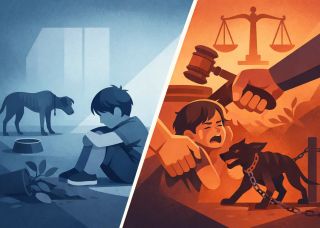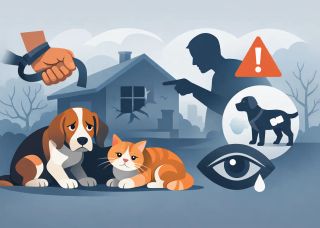

Animal Neglect Versus Animal Abuse
Published by Nevada Animal Advocates
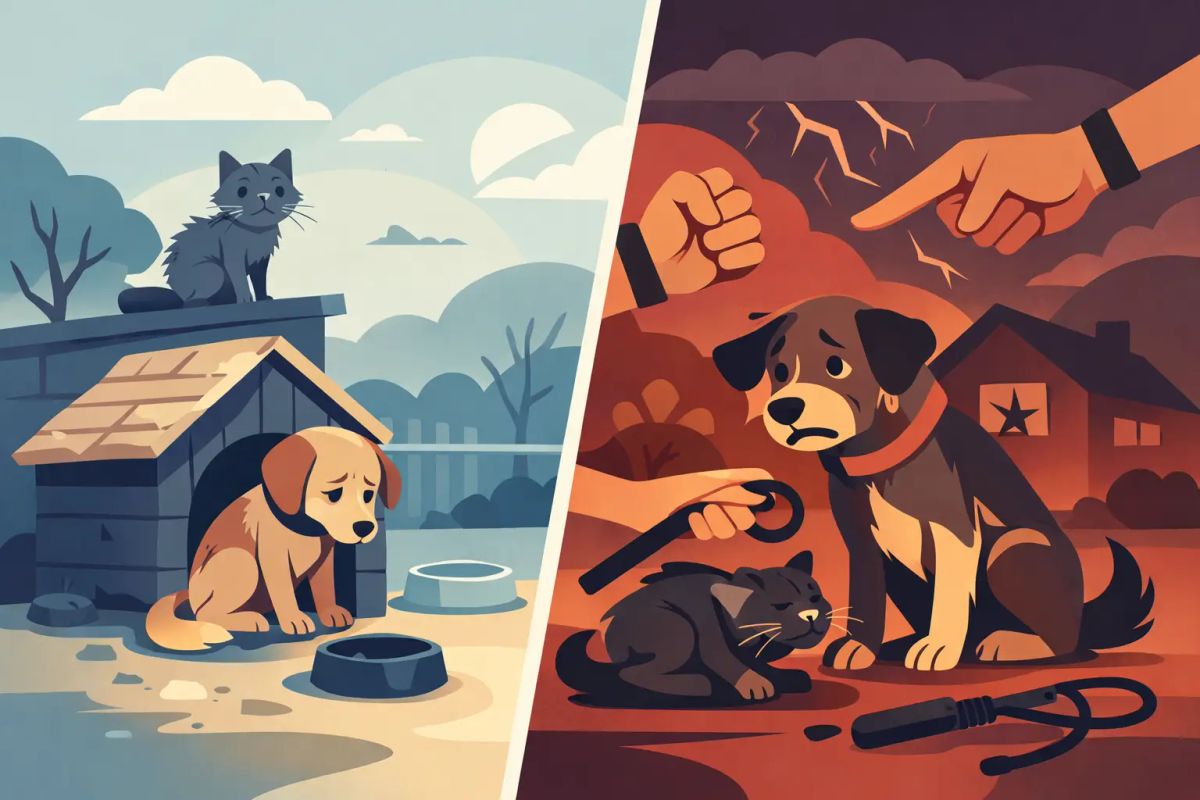
A dog left for days without water and a dog beaten with a leash are not the same act. But both reflect a failure so serious that the law, the public, and animal protection systems cannot afford to treat it lightly. When people ask about animal neglect versus animal abuse, they are usually trying to understand where carelessness ends and cruelty begins. That line matters, but so does this fact: neglect can be just as deadly as overt violence.
For advocates, reporters, neighbors, and policymakers, the distinction is not academic. It shapes how cases are reported, investigated, charged, and understood by the public. It also affects whether a pattern of harm gets dismissed as poor ownership or recognized as a serious welfare and public safety issue.
What animal neglect versus animal abuse really means
Animal neglect usually refers to failing to provide the basics an animal needs to survive and remain healthy. That includes adequate food, clean water, shelter, sanitation, veterinary care, and protection from dangerous conditions. Neglect is often defined by omission. The harm comes from what a person failed to do.
Animal abuse usually refers to intentional acts that cause pain, injury, terror, or death. Beating, torturing, burning, poisoning, maiming, or deliberately overworking an animal fall into this category. Abuse is typically defined by commission. The harm comes from what a person actively did.
That sounds simple until real cases get involved. A person who leaves a dog outside in extreme heat without water may claim they did not mean to cause suffering. A person who refuses medical treatment for a severely injured animal may insist they were short on money, not malicious. Intent matters in many legal systems, but the animal still suffers either way.
This is why the neglect versus abuse discussion should never become an excuse for minimizing neglect. Starvation is not a lesser crisis because it happened slowly. Untreated mange, infected wounds, heat exposure, and prolonged confinement can produce agony every bit as severe as a direct assault.
The key difference is often action versus failure
In plain terms, abuse is usually something done to an animal. Neglect is usually something withheld from an animal. But that distinction has limits.
If someone kicks a dog, that is an obvious abusive act. If someone keeps that same dog chained in freezing temperatures with no shelter, the case may be categorized as neglect. Yet from an enforcement standpoint, both involve conscious choices. The owner knew, or should have known, that the animal was in danger.
That is where public misunderstanding causes harm. People often imagine neglect as forgetfulness, ignorance, or bad judgment. Sometimes it is. But repeated deprivation is not a harmless mistake. Chronic neglect can reflect indifference, recklessness, hoarding behavior, or a sustained refusal to meet legal and moral obligations.
In severe cases, neglect and abuse overlap. A dog used for fighting may be beaten, deprived of care, and left with untreated injuries. An animal in a hoarding case may not be struck at all, yet still live in filth, disease, hunger, and extreme distress. The legal label may vary by jurisdiction, but the outcome for the animal is still cruelty.
Why the distinction matters in law and enforcement
The difference between animal neglect versus animal abuse matters because statutes are written differently. Some laws separate neglect from intentional cruelty. Others create broad cruelty definitions that include both. Penalties can also vary depending on factors like intent, prior history, severity of injury, or whether death occurred.
That has real consequences. If neglect is treated as a minor offense while violent abuse receives stronger attention, long-term suffering can be pushed to the margins. Animals in slow-motion crisis often depend on neighbors, animal control officers, veterinarians, and prosecutors to recognize that delayed harm is still serious harm.
It also matters for evidence. In abuse cases, investigators may look for injuries consistent with violence, witness statements, video, weapons, or admissions. In neglect cases, they may document body condition, dehydration, parasite load, living conditions, lack of food, lack of potable water, untreated wounds, or environmental exposure. Different facts prove different forms of cruelty.
For policymakers, the lesson is straightforward. Weak definitions create weak enforcement. If laws leave too much room for chronic deprivation to be excused, animals pay the price. Public accountability systems matter because they keep these cases visible instead of letting them disappear into bureaucratic ambiguity.
Signs of neglect the public should not ignore
Many people are more confident identifying abuse than neglect. They know a beating is wrong. They hesitate when the harm looks quieter. That hesitation is one reason neglect can continue for months or years.
Warning signs include animals who appear severely underweight, repeatedly without food or water, confined in heavy waste buildup, exposed to extreme heat or cold without protection, or suffering visible illness or injury with no apparent care. Constant tethering without adequate movement, shade, or shelter can also indicate neglect, especially in dangerous weather. So can severe matting, overgrown nails, open sores, or obvious distress.
Context matters. A single snapshot does not always tell the full story. A thin animal may be elderly or medically ill. A muddy yard after a storm is not the same as long-term filth. But obvious suffering should not be rationalized away because a situation feels uncomfortable to question.
The standard should be the animal's condition, not the owner's excuses.
Why neglect is often harder to confront
Abuse shocks people because it is visibly violent. Neglect is harder for some communities to name because it can look familiar. People may have seen dogs left outside for years, animals bred without proper care, or pets denied veterinary treatment until the suffering becomes impossible to ignore. When harmful conditions become normalized, enforcement gets weaker and public outrage fades.
There is also a social reluctance to intervene in what people view as private ownership. That framing is part of the problem. Animals are not objects, and neglect is not a private lifestyle choice when a living being is denied basic survival needs.
Some neglect cases involve poverty, mental health issues, or crisis conditions. That reality requires honesty, not denial. It may affect what intervention is appropriate, but it does not erase the harm. An animal still needs food, water, treatment, and safety. Systems should be able to distinguish between temporary hardship and prolonged unlawful suffering while keeping the animal's welfare at the center.
Reporting animal neglect versus animal abuse
Whether conduct appears to be neglect or abuse, the right response is documentation and reporting. Do not wait for a case to become more graphic before taking it seriously. If an animal is in immediate danger, contact local law enforcement or animal control right away. If the danger is ongoing but not immediate, report the conditions to the appropriate authorities with as much specific information as possible.
Dates, photos, videos, location details, and observable facts matter. Report what you saw, not what you assume. Say the dog had no visible water at 3 p.m. in high heat. Say the horse appeared unable to bear weight on one leg for several days. Say the property had strong odor, large waste accumulation, and multiple visibly emaciated animals. Clear facts help cases move.
This is also where public transparency has value. Nevada Animal Advocates has centered accountability because cruelty prevention cannot depend on silence, sealed patterns, or public ignorance. When communities can identify repeat offenders and track systemic failures, reform becomes harder to avoid.
A stronger standard of accountability
The most damaging mistake in these conversations is treating neglect as lesser cruelty. It may look less dramatic. It is not less real. A slow death from dehydration is still cruelty. A preventable infection left untreated until an animal collapses is still cruelty. A life spent in confinement, exposure, hunger, and fear is still cruelty.
The public should demand laws and enforcement systems that reflect that reality. That means clear statutory definitions, meaningful penalties, accurate tracking of offenders, and serious attention to chronic cases that too often get dismissed. It also means recognizing the connection between animal cruelty and broader patterns of violence, instability, and public risk.
Animal neglect versus animal abuse is a useful distinction when it clarifies how harm occurs. It becomes dangerous when it is used to rank suffering in a way that excuses prolonged deprivation. If an animal is being harmed, the obligation is the same: see it clearly, report it promptly, and insist that accountability follows.