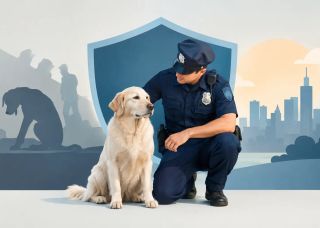
Animal Welfare Advocacy Demands Accountability
Published by Nevada Animal Advocates
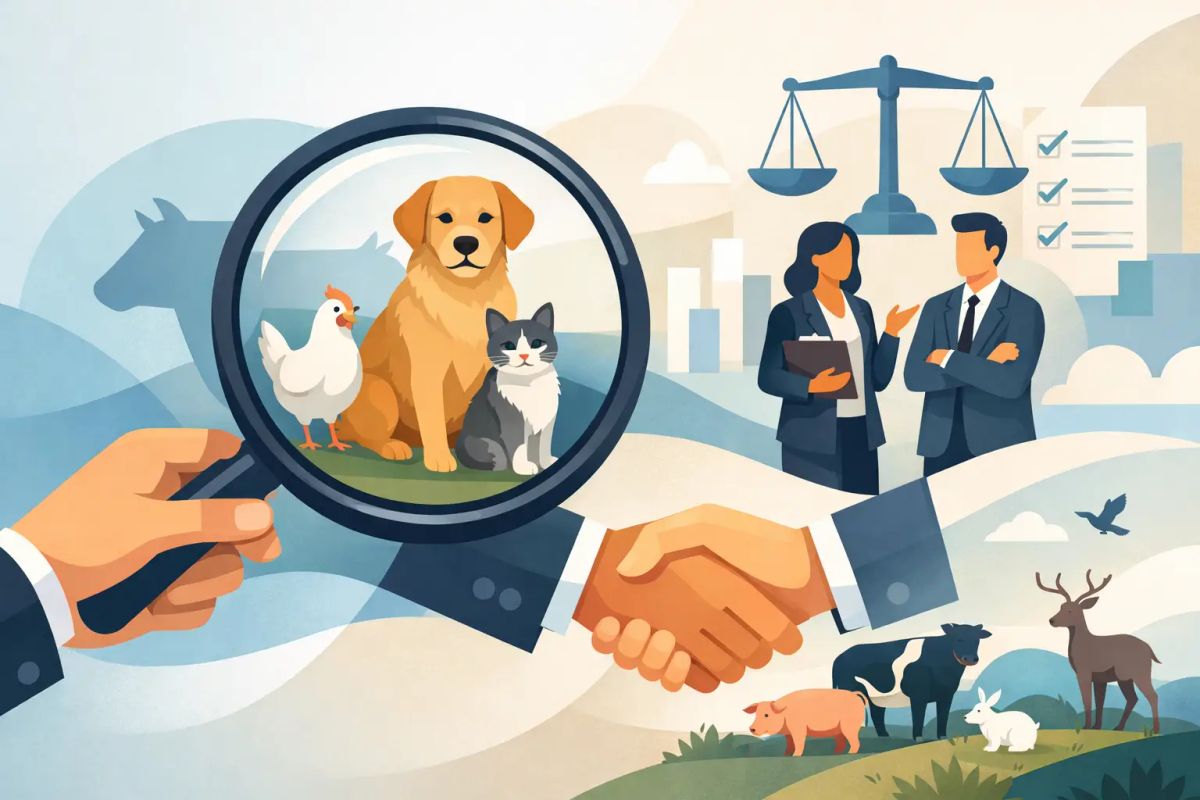
A cruelty case should not disappear when the headlines do. Animal welfare advocacy exists to turn public outrage into lasting safeguards: enforceable laws, informed communities, consistent prosecution, and meaningful consequences for people who harm animals. Compassion matters, but compassion without accountability leaves the conditions for repeat abuse intact.
For Nevada residents, this work is also a public safety concern. Animal cruelty can signal broader patterns of violence, neglect, and instability. Treating it as a minor offense or a private matter abandons animals and ignores the warning signs that communities have a duty to confront.
Why Animal Welfare Advocacy Must Go Beyond Awareness
Awareness campaigns can bring attention to suffering, but awareness alone does not change statutes, improve investigative practices, or prevent an offender from acquiring another animal. Real advocacy asks a harder question: what happens after a case is reported?
That question reaches every part of the system. Law enforcement must recognize cruelty and preserve evidence. Animal control officers need clear authority and adequate resources. Prosecutors need laws that reflect the seriousness of the offense. Courts need tools that support appropriate penalties, treatment when warranted, and restrictions on future animal ownership. The public needs reliable information without being asked to sort through rumor, social media posts, and incomplete accounts.
This is where policy-focused animal welfare advocacy has a distinct role. Shelters, rescues, veterinarians, and foster networks perform essential direct-care work. Advocacy organizations address the gaps that direct care cannot solve alone: weak laws, inconsistent enforcement, inaccessible public records, and a lack of consequences for repeat offenders. Both forms of work are necessary, but they are not interchangeable.
Transparency Is a Form of Prevention
Public accountability is not about spectacle. It is about reducing the ability of proven offenders to move quietly from one situation to another, acquire more animals, or evade scrutiny because relevant information is difficult to find.
A statewide animal abuse registry can serve as a practical public resource when it is built carefully. It gives residents, rescues, breeders, landlords, employers, and animal-related businesses a clearer way to identify people with qualifying cruelty convictions or court findings. It can also help demonstrate where enforcement is working, where cases are falling through the cracks, and where lawmakers need to act.
Transparency must be accurate and governed by clear standards. A registry should rely on verified public records, define which offenses qualify, provide a process for correcting errors, and respect the boundaries of lawful disclosure. Accountability is strongest when it is credible. Unverified accusations and online vigilantism do not protect animals; they can undermine legitimate cases and harm the people seeking justice.
The trade-off is real. Public information can carry serious consequences for the person listed, which is precisely why due process, defined eligibility, and regular review matter. But the existence of a trade-off is not an excuse for secrecy. When a court has established animal cruelty, communities have a legitimate interest in knowing whether someone is subject to restrictions or has a documented history that affects animal safety.
Stronger Laws Need Stronger Follow-Through
A law on paper is not protection unless agencies can use it. Legislators should examine whether animal cruelty statutes provide clear definitions, meaningful penalties, seizure authority, restitution for care costs, and enforceable bans on future ownership. A prohibition that is never monitored offers little protection to the next animal.
Enforcement standards matter just as much as sentencing ranges. Officers need training to identify neglect, organized cruelty, hoarding, abandonment, and the physical evidence that supports a prosecutable case. Agencies need protocols for cross-reporting when animal abuse may overlap with child welfare, elder abuse, domestic violence, or other public safety concerns. Prosecutors need the capacity to pursue cases thoroughly rather than treating them as low-priority matters.
There is no single policy that solves every case. A neglected animal in a crisis-stricken household may require intervention, services, and education alongside enforcement. Deliberate torture, repeat offending, animal fighting, or violations of court-ordered ownership bans demand decisive consequences. Effective law recognizes these differences without minimizing harm.
The Public Has More Power Than It Thinks
Animal protection is often framed as a personal choice: adopt responsibly, donate, volunteer, report cruelty. Those actions matter. Yet systemic change requires civic pressure as well.
Residents can document concerns carefully and report suspected cruelty to the appropriate local authority. They can follow cases through the court process instead of assuming an arrest ends the matter. They can ask elected officials whether cruelty laws are enforceable, whether animal control is properly funded, and whether restrictions on convicted offenders are being tracked.
When proposed legislation appears, public comments should be specific. Broad statements of support are useful, but lawmakers also need to hear why a bill affects safety, enforcement, transparency, and prevention. A constituent who can explain how a loophole harms animals is harder to dismiss than a vague request to do better.
Journalists and community organizations also have an important role. Responsible reporting can expose patterns, clarify public records, and keep attention on cases after the initial shock has passed. The goal is not to exploit suffering. The goal is to make institutional failure visible enough that it cannot be ignored.
What Responsible Reporting Looks Like
Reporting suspected abuse is an act of protection, but reports are most useful when they are factual. If it is safe to do so, record dates, times, locations, descriptions of the animals, and observable conditions. Preserve photographs or video without trespassing, confronting a suspected offender, or placing yourself in danger. Share information with the proper agency, and keep a record of the report if follow-up becomes necessary.
Avoid spreading identifying claims online before facts are established. Public pressure has a place when institutions fail to act, but misinformation can compromise investigations and cause additional harm. The strongest advocates are persistent, evidence-focused, and unwilling to let urgency become recklessness.
If an animal faces immediate danger, contact emergency authorities. If the concern involves ongoing neglect or suspected violations of a court order, report it to the agency with jurisdiction and provide as much verifiable detail as possible. Persistence is appropriate when a report receives no response, but it should remain grounded in facts.
Building a Culture That Does Not Look Away
The deepest purpose of animal welfare advocacy is cultural as well as legal. It rejects the idea that cruelty is insignificant because the victim cannot speak in court, cast a ballot, or make a public statement. Animals depend on people to recognize harm, demand enforcement, and insist that preventable suffering carries consequences.
Nevada Animal Advocates advances that principle by treating transparency and legislative reform as public responsibilities, not optional acts of goodwill. A statewide animal abuse registry is not a substitute for enforcement, rescue, or education. It is one part of a larger system that makes abuse harder to conceal and accountability harder to avoid.
The next time a cruelty case enters public view, do not let the conversation end with anger. Ask what law applies, what consequence is available, whether that consequence can be enforced, and what must change so the next animal is protected before harm occurs.