Citizen Action Against Animal Cruelty Now
Published by Nevada Animal Advocates
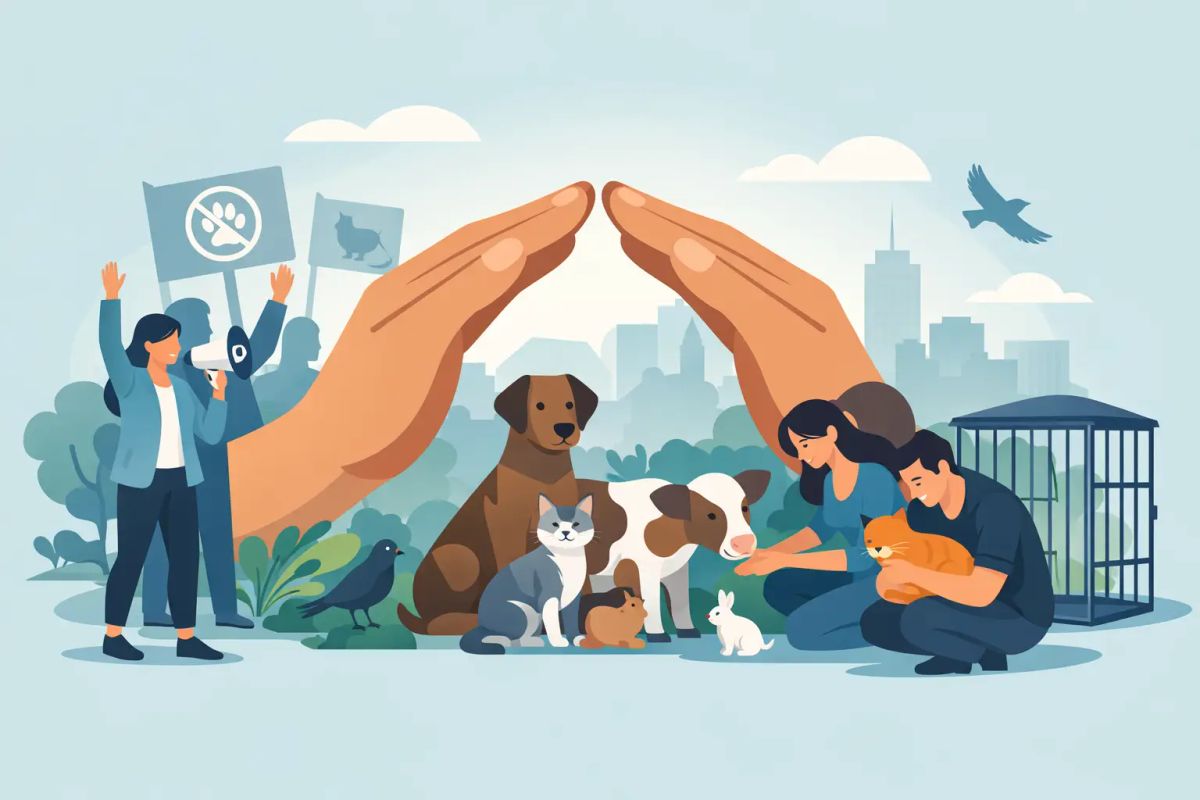
A neglected dog left without water, a horse losing weight in plain sight, a person with a documented history of violence acquiring another animal - these are not private matters. Citizen action against animal cruelty is how communities turn what they see into a record, a response, and, when necessary, public pressure for consequences.
Animal cruelty is often dismissed as an isolated incident or a dispute best handled quietly. That approach fails animals and ignores the public-safety stakes. Cruelty can repeat when reports disappear into fragmented systems, weak penalties fail to deter offenders, or agencies are not held accountable for enforcement. Concern is valid. Organized, lawful action is more powerful.
What citizen action against animal cruelty actually means
Citizen action is not vigilantism. It does not mean confronting a suspected offender, entering private property, posting unverified accusations online, or trying to conduct an investigation alone. Those choices can endanger people, compromise a case, and expose advocates to legal risk.
It means using the tools of civic responsibility: reporting credible concerns through proper channels, preserving information, following up with public agencies, attending public meetings, demanding transparent policies, and supporting laws that prevent repeat abuse. It also means recognizing that animal protection depends on systems, not only individual goodwill.
A single call may initiate a welfare check. A documented pattern of calls can show that an issue was not addressed. Public records can reveal whether enforcement is consistent. Testimony from residents can help lawmakers understand how weak statutes, loopholes, or inadequate funding affect real cases.
Start with safety, evidence, and a timely report
If an animal appears to be in immediate danger, contact local law enforcement or animal control promptly. Give the dispatcher the location, a clear description of the animal, the nature of the emergency, and any immediate hazards. Do not wait for a perfect set of facts when an animal may be suffering from heat exposure, violence, severe neglect, or abandonment.
When it is safe and lawful to do so, document what you directly observe. Dates, times, addresses, weather conditions, vehicle descriptions, and photographs or video taken from a public place may help establish a pattern. Write down facts rather than conclusions. “Dog confined outside at 3:00 p.m. with no visible water during extreme heat” is useful. “Owner is cruel” is an allegation that requires investigation.
Keep the original files and avoid editing images or video. Do not trespass, climb fences, enter yards, or place yourself between an animal and a person who may become violent. If there is an active confrontation, weapons, threats, or a crime in progress, prioritize human safety and call 911.
A strong report is specific enough for an agency to act. Include what happened, where it happened, when it occurred, whether it is ongoing, and whether you have previously reported the same concern. Ask for the report or case number. That number matters when you need to follow up or identify whether repeated complaints are receiving a response.
Follow-up turns a report into accountability
Reporting is essential, but it is not always the end of a citizen’s role. Agencies face staffing limits, competing calls, and legal thresholds for seizure or criminal charges. Those realities do not excuse inaction, but they do explain why careful follow-up can matter.
If the concern continues, contact the agency again and reference the prior report number. Provide new observations instead of simply repeating the original complaint. Ask which agency has jurisdiction if you are unsure whether animal control, a sheriff’s office, municipal police department, or another authority is responsible.
For matters involving public agency performance, residents can use lawful public-records processes to seek information about policies, call logs, response times, citations, and outcomes. The purpose is not harassment. It is to determine whether systems are functioning as the public has been told they are functioning.
This distinction is critical: demanding accountability is not the same as demanding a predetermined outcome in a specific case. Investigators and prosecutors must follow evidence and due process. Citizens, meanwhile, have every right to ask whether reports were documented, laws were enforced, and repeat offenders were allowed to slip through preventable gaps.
Why public transparency protects more than animals
Animal cruelty cases are too often treated as invisible offenses. The public may never learn whether a person was convicted, prohibited from possessing animals, or able to obtain another animal immediately after a serious case. That lack of visibility can leave rescues, breeders, landlords, neighbors, and prospective adopters without information they need to make responsible decisions.
Public-facing accountability tools can help close that gap when they are accurate, current, and grounded in verified legal records. A statewide animal abuse registry is not about public spectacle. It is about reducing opportunities for repeat harm and making enforcement consequences meaningful beyond the courtroom.
Nevada Animal Advocates supports this kind of infrastructure because awareness alone does not protect animals. Information must be usable. Communities need clear ways to identify legal outcomes, recognize patterns, and advocate for safeguards that keep known offenders from cycling back into access to vulnerable animals.
Transparency also improves public trust. When residents can see how cases are handled and where laws fall short, debate becomes more factual. Policymakers can no longer claim that cruelty is rare, random, or adequately addressed when the record shows otherwise.
Make legislative advocacy specific
General outrage has a place. It can mobilize people quickly after a disturbing case. But lasting reform requires precise asks. “Do something” is not a policy. Citizens are most effective when they identify the legal or enforcement failure and call for a defined remedy.
That may mean stronger penalties for aggravated cruelty, clearer standards for confiscation, mandatory mental-health evaluation or treatment where appropriate, enforceable animal-ownership prohibitions, funding for trained investigators, or better coordination among courts, shelters, and law enforcement. The right response depends on the problem. A rural neglect case involving livestock may require different enforcement capacity than a repeat offender case involving companion animals.
When speaking with an elected official, lead with the public interest. Animal cruelty is a justice issue, but it is also connected to community safety, public health, responsible ownership, and confidence in the rule of law. Describe the policy change, explain the gap it addresses, and ask for a public position or concrete action.
Public meetings, committee hearings, town halls, and written testimony are opportunities to put animal protection on the record. A concise statement from a constituent can carry more weight than a viral post. Bring facts, avoid exaggeration, and make room for people with direct professional experience, including investigators, veterinarians, prosecutors, and shelter staff.
Build pressure without spreading harm
Social media can alert a community, but it can also derail a case. Sharing a suspect’s name, address, workplace, or images of people who have not been charged can invite harassment, misidentification, and legal complications. Graphic images may shock viewers without producing action, while causing further distress to witnesses and victims’ advocates.
Use public platforms to share verified information, encourage lawful reporting, explain policy needs, and direct attention toward public meetings or legislation. Do not turn an animal’s suffering into content. The goal is protection and accountability, not online punishment.
The same principle applies to conversations with neighbors. If someone may be open to help, a calm report to the proper authority may be more effective than a public confrontation. If someone is intentionally cruel or poses a threat, personal engagement may be unsafe and counterproductive. It depends on the facts, which is why trained responders and documented processes matter.
A community standard worth enforcing
The most durable change happens when residents stop accepting cruelty as someone else’s problem. That does not require every person to become an investigator or policy expert. It requires people to recognize suffering, report it responsibly, keep records, ask questions when systems fail, and support laws that impose real consequences.
Animals cannot file reports, request records, testify at a hearing, or vote for stronger protections. Citizens can. Every credible report and every informed demand for enforcement helps establish a simple standard: cruelty will be seen, documented, and answered.