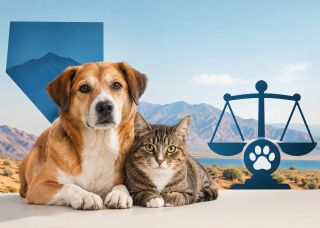
The Future of Animal Abuse Registries in Nevada
Published by Nevada Animal Advocates

A person convicted of animal cruelty should not be able to move quietly to the next neighborhood, acquire another animal, and repeat the harm behind a closed door. The future of animal abuse registries must be built around that basic public-interest principle: cruelty has consequences, and communities deserve tools to recognize risk before another animal pays the price.
A registry alone will not stop abuse. It cannot replace trained investigators, properly funded animal control agencies, prosecutors willing to pursue serious cases, or courts that impose meaningful conditions. But a well-designed registry can close a dangerous information gap. It can make court-verified offenses visible, support enforcement of animal-ownership restrictions, and give the public a concrete reason to demand stronger systems.
Why Animal Abuse Registries Matter
Animal cruelty is not a private matter between an offender and an animal. It is a public safety and community accountability issue. Animals are often harmed where neglect, violence, isolation, and weak oversight already exist. When a person has been convicted of cruelty, especially repeated, organized, or severe cruelty, that record should not disappear simply because public agencies lack a reliable way to share it.
Registries create visibility. They can help shelters, rescues, breeders, landlords, and concerned residents identify court-confirmed offenders when animal placement or ownership is at stake. They can also help law enforcement and animal welfare professionals enforce judicial orders that prohibit or limit contact with animals.
The value is not punishment for punishment's sake. The value is prevention. Public records should serve a public purpose: reducing opportunities for repeat harm and making enforcement more than a line in a sentencing order.
The Future of Animal Abuse Registries Requires Better Law
The strongest registries will not be informal databases built on rumor, allegations, or online outrage. They must be grounded in statute, limited to clearly defined qualifying convictions or adjudications, and maintained with transparent rules. A registry that is legally vague or inconsistently administered invites challenges, errors, and loss of public trust.
Future laws should answer the questions that too many current systems leave unresolved. Which offenses qualify? Does a felony conviction trigger registration automatically? Can repeated misdemeanor offenses qualify? How long does a person remain listed? What happens when a conviction is overturned, sealed, or expunged? Who is responsible for updating the information when a court order changes?
Those details are not bureaucratic side issues. They determine whether a registry protects animals or becomes an unreliable public list that fails the very people it is meant to serve.
Nevada has an opportunity to establish standards that are clear enough for courts and agencies to administer, while remaining strong enough to protect animals. That means legislation with defined reporting duties, stable funding, regular audits, and real penalties for knowingly violating animal-ownership bans. A law without an enforcement pathway is not a safeguard. It is a promise without force.
Due Process Is Part of a Credible Registry
Accountability and due process are not competing values. A registry based on final criminal convictions, accurate court records, notice, and a defined correction process is far more defensible than one based on accusations alone.
People should have a lawful process to correct factual errors, such as a wrong address or a mistaken identity. Agencies should promptly remove or update records when legal circumstances change. At the same time, due process cannot become an excuse for hiding confirmed cruelty offenses from the public or allowing repeat offenders to exploit administrative confusion.
The standard should be simple: verified information, narrowly tailored disclosure, consistent administration, and a clear animal-protection purpose.
Public Access Must Be Useful, Not Performative
A registry that is difficult to search, outdated, or buried in a government website does little to prevent harm. Public access must be functional. Residents should be able to understand what an entry means, what offense resulted in registration, the dates that apply, and whether an active court-ordered ownership prohibition is in place.
That does not mean publishing every personal detail possible. Effective public tools balance safety with relevance. The question is not whether a database can collect more data. The question is whether the disclosed information helps prevent an animal from being placed with someone legally barred from possessing one.
The best registry model would also improve coordination behind the scenes. Courts, animal control agencies, prosecutors, and law enforcement need a reliable method to report qualifying cases and verify compliance. Shelters and rescue organizations need a way to screen prospective adopters against active restrictions without guessing whether a record is current.
Technology can support this work, but it cannot replace accountable administration. Automated data matching may identify missed cases, yet human review remains necessary when names, addresses, and court records do not align perfectly. Accuracy must be treated as a core protection for both animals and the public.
A Registry Cannot Carry the Whole System
The future of animal abuse registries should not be framed as a substitute for broader reform. A public registry is one layer of prevention. It works best alongside mandatory forfeiture provisions in severe cases, enforceable no-contact orders, cross-reporting between agencies, humane education, mental health interventions where appropriate, and sufficient resources for animal control.
It also depends on the quality of the underlying case. If animal cruelty investigations are underfunded, evidence is poorly documented, or cases are routinely reduced without meaningful conditions, fewer offenders will ever meet the threshold for registration. The failure occurs long before the registry is updated.
This is why advocates must keep pressure on the entire accountability chain. Reporting standards matter. Veterinary evidence matters. Prosecutorial training matters. Sentencing practices matter. A registry can make the system more visible, but it cannot repair a system that refuses to take cruelty seriously.
The Risk of Treating Visibility as Justice
There is a legitimate danger in assuming that public exposure alone produces safety. It does not. Registries should never encourage harassment, threats, or vigilante behavior. Those actions can endanger people, compromise cases, and distract from lawful enforcement.
Public accountability has to mean something more disciplined: informed decisions, enforceable restrictions, documented compliance, and political pressure for laws that match the seriousness of the offense. The goal is not spectacle. The goal is fewer victims.
A registry also cannot solve every situation involving animal suffering. Many cases begin as chronic neglect, inadequate housing, hoarding, or untreated medical needs. Some require intervention before a criminal conviction is possible. Communities still need accessible reporting channels, responsive agencies, and laws that allow authorities to act before neglect escalates into catastrophic harm.
What Stronger Registries Should Measure
If states build or expand registries, they should evaluate them openly. Success is not the number of names posted. A growing list may reflect better enforcement, increased reporting, or more cruelty. Without context, the number says little.
Meaningful evaluation should examine whether courts are issuing and enforcing ownership bans, whether agencies update records promptly, whether shelters can use the information effectively, and whether registered offenders are linked to new animal-related violations. Policymakers should also examine geographic gaps. If one county reports qualifying convictions consistently while another does not, the issue may be uneven enforcement rather than lower rates of cruelty.
Transparent reporting can expose where the law is failing. That is one reason registries matter beyond individual cases. They can reveal patterns that demand legislative action: repeat offenders receiving weak sentences, agencies operating without resources, or restrictions that exist on paper but are never checked.
The Public Has a Role Beyond Checking a Name
Residents should expect more than symbolic concern from elected officials. They can ask whether their state has a meaningful registry, whether animal-ownership prohibitions are enforceable, and whether local agencies have the staff to investigate cruelty complaints thoroughly. Journalists can scrutinize case outcomes. Professionals who place animals can establish careful screening practices. Advocates can insist that animal cruelty legislation include implementation, funding, and oversight rather than headlines alone.
Nevada Animal Advocates supports a future where public accountability is not optional and cruelty convictions carry consequences that can be enforced in the real world. The work is not merely to publish information. It is to build a system in which that information helps stop the next act of violence.
When the public can see where protections fail, it can demand that lawmakers, courts, and agencies do better. That pressure, sustained and informed, is how a registry becomes more than a record of past harm - it becomes part of preventing the next one.