Nevada Cruelty Case Transparency Is Public Safety
Published by Nevada Animal Advocates
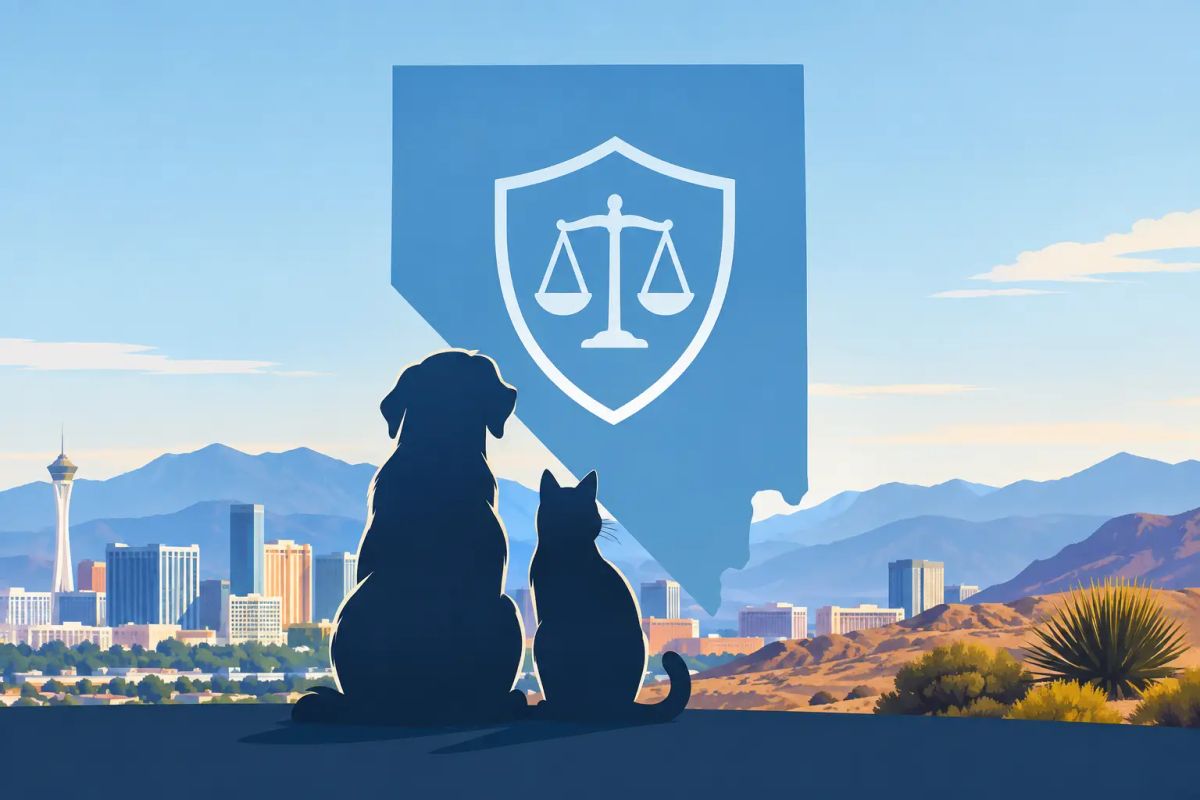
When an animal cruelty case disappears into scattered court records, incomplete agency updates, or a closed investigation file, the public is left to guess what happened and whether anyone was held accountable. Nevada cruelty case transparency is not a public relations issue. It is a public safety issue, an animal protection issue, and a test of whether cruelty laws have meaningful force.
Animal abuse rarely exists in a vacuum. It can signal severe neglect, escalating violence, unsafe breeding or hoarding conditions, and a willingness to inflict harm on a being that cannot report it or escape it. Communities cannot prevent repeat abuse if they are denied clear, reliable information about how cruelty complaints are investigated, charged, resolved, and enforced.
Why Nevada Cruelty Case Transparency Matters
Transparency gives the public a way to measure whether the system is working. It allows residents, journalists, advocates, and policymakers to see where cases stall, where charges are reduced, where penalties fail to deter future harm, and where local agencies lack the resources or authority to act.
Without that visibility, official statements can substitute for outcomes. A case may be described as "handled" even when animals were returned to unsafe conditions, an offender faced minimal consequences, or no long-term monitoring occurred. The public deserves to know the difference between an investigation being opened and an animal actually being protected.
Clear case information also helps expose uneven enforcement. Nevada’s animal protection response should not depend on a person’s zip code, the agency receiving the report, or whether a case attracts media attention. If one jurisdiction consistently pursues serious charges while another relies on warnings for comparable conduct, that disparity deserves public scrutiny and legislative attention.
This is not about turning every allegation into a public conviction. It is about making the justice process visible enough to identify patterns, demand accountability, and strengthen the safeguards that animals and communities need.
Transparency Must Follow the Case, Not Just the Arrest
An arrest, citation, or seizure makes a headline. What happens next is often much harder to find.
Meaningful transparency should track the full life of a cruelty case: the nature of the reported conduct, the investigating agency, the charges filed, the court outcome, sentencing conditions, and any prohibition on owning or possessing animals. When permitted by law, records should also show whether restitution was ordered, whether animals were surrendered, and whether compliance with court-ordered conditions was verified.
The last point matters. A prohibition on animal ownership is only protective if it can be enforced. A sentence without follow-through can become a paper barrier, leaving rescues, shelters, neighbors, and future animals to bear the risk.
Public reporting should also distinguish among allegations, active cases, dismissed cases, convictions, and substantiated administrative findings. Accuracy is not a reason to withhold information. It is the standard that makes transparency credible. Records must be current, plainly labeled, and corrected when a case status changes.
A Public Registry Creates Accountability Beyond the Courtroom
A statewide animal abuse registry can serve as a practical accountability tool when it is built around verified, lawfully available information. It gives communities a central place to understand confirmed offenses and court-imposed restrictions rather than forcing people to search across courts, agencies, and counties.
That matters to organizations and individuals making real decisions. Shelters, rescues, breeders, landlords, employers in animal-care settings, and neighbors may need to know whether a person has a documented history of cruelty or is barred from possessing animals. A registry cannot replace careful screening or professional judgment, but it can prevent critical information from being buried in records that most people will never locate.
Nevada Animal Advocates supports public-facing accountability because hidden outcomes protect repeat offenders far more than they protect animals. When records are difficult to access, the burden shifts to volunteers, victims, reporters, and concerned residents to reconstruct what public institutions already know.
A registry also has a broader civic purpose. It makes enforcement data visible. If entries reveal recurring offenses, weak sentencing, expired restrictions without review, or gaps in reporting, lawmakers have a factual basis for reform rather than relying solely on individual tragedies to prompt action.
Public Access Requires Accuracy and Due Process
The case for transparency is strong, but it must be implemented responsibly. A credible system does not publish rumor, social media accusations, or unverified claims. It relies on defined standards, identifiable public records, and clear rules for inclusion, updates, removals, and corrections.
This distinction protects both the public and the integrity of the registry. A person accused of cruelty is not the same as a person convicted of cruelty. A dismissed charge is not the same as an acquittal, and neither is the same as a substantiated civil or administrative finding. Each status carries different legal meaning and should be presented with precision.
Privacy concerns must also be handled seriously. Transparency should disclose information necessary for public protection and legal accountability, not invite harassment or expose details unrelated to the offense. Home addresses, personal contact information, and identifying information about reporting parties or vulnerable witnesses do not belong in a public accountability tool.
The trade-off is not between secrecy and recklessness. Nevada can build systems that are both fair and useful: verified records, narrowly tailored disclosures, prompt corrections, and meaningful notice procedures. Those safeguards strengthen the public case for access rather than weakening it.
What Weak Transparency Costs Nevada
When cruelty case information is fragmented, bad actors benefit from the gaps. Someone with a history of neglect may obtain more animals in another county. A person barred from possession may remain unknown to a rescue group or landlord. A recurring pattern may not become visible until animals have suffered again.
Weak transparency also undermines confidence in enforcement. Residents who report abuse need to believe that their effort does more than generate a case number. If outcomes are impossible to find, people may reasonably question whether agencies had the tools, staffing, training, or institutional commitment needed to respond.
For policymakers, missing data produces another failure. Legislators cannot effectively evaluate penalties, funding needs, reporting requirements, or enforcement authority when statewide information is incomplete or inconsistent. Good policy requires more than emotional testimony. It requires a clear record of what is happening after cruelty is reported.
Transparency Should Drive Stronger Laws
Public access to case outcomes is not the endpoint. It should create pressure for better laws and better enforcement.
Where courts repeatedly impose penalties that do not deter repeat cruelty, sentencing options may need revision. Where agencies cannot verify compliance with animal ownership bans, Nevada may need stronger reporting and monitoring requirements. Where cases are reduced because investigators lack specialized training or veterinary evidence, the state should address those gaps directly.
The same principle applies to data collection. Agencies should not be left to use incompatible categories or voluntary reporting practices that make statewide trends impossible to assess. Nevada needs consistent definitions, timely updates, and clear responsibility for maintaining records. A system that depends on occasional manual updates will leave dangerous blind spots.
Transparency should also make room for context. Not every case involves the same conduct, risk level, or legal outcome. But context cannot become an excuse for silence. A well-designed public record can explain the status of a case while still making clear whether an offender was convicted, restricted, or allowed to retain animals.
What Residents Can Demand
Nevadans do not need to accept a system in which animal cruelty outcomes are known only to insiders. Residents can ask local officials how cruelty reports are tracked, whether dispositions are publicly available, and how animal ownership restrictions are enforced. They can ask candidates and lawmakers whether they support a statewide accountability registry and consistent case reporting.
They can also insist on better questions after a case becomes public. Was there a conviction? Were the animals protected? Was possession prohibited? Who verifies compliance? What happens if the offender violates the order? Those questions move the conversation beyond outrage and toward enforceable consequences.
Animal cruelty thrives where harm can be minimized, records can be hidden, and failures can be treated as isolated mistakes. Public accountability changes that equation. Every verified outcome made visible gives Nevada another chance to protect animals before the next report becomes the next preventable case.