Animal Abuse Accountability Protects Communities
Published by Nevada Animal Advocates
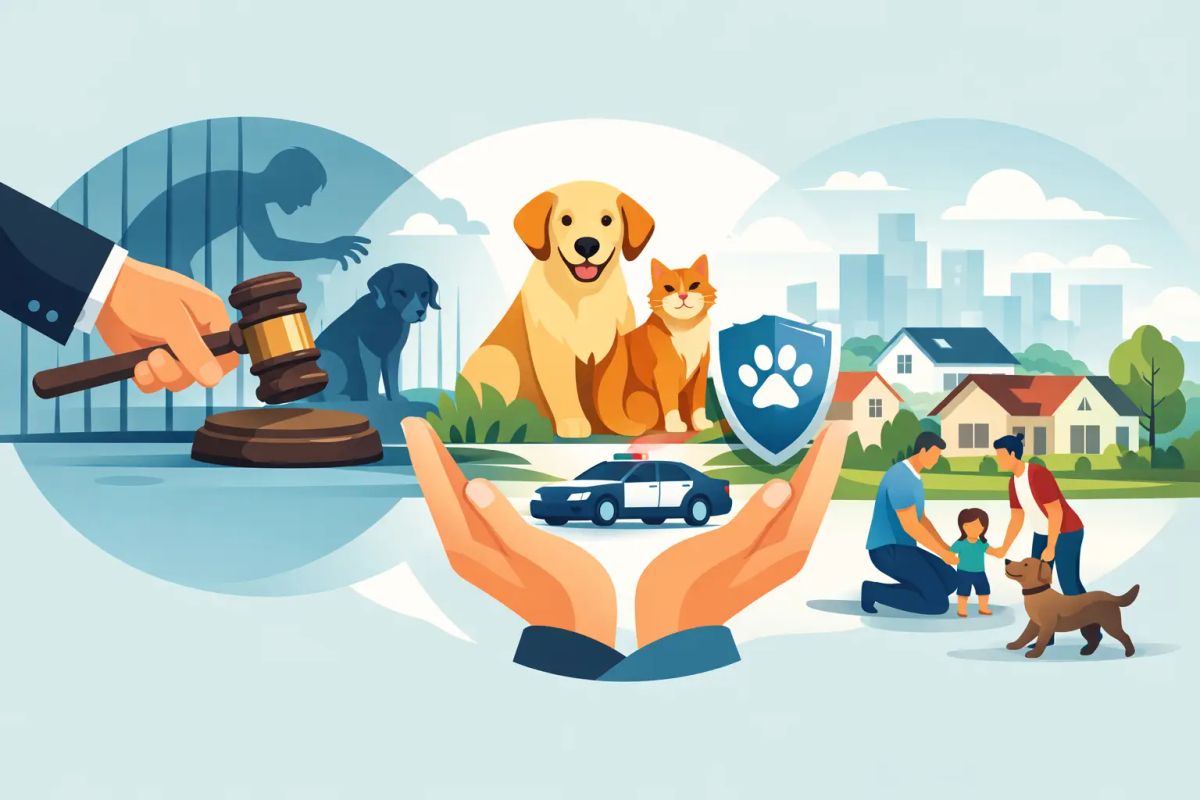
A cruelty case should not disappear the moment public attention moves on. Animal abuse accountability means creating consequences that are visible, enforceable, and connected to prevention. It means recognizing that an animal harmed behind a closed door is not a private matter when the warning signs, legal failures, and repeat risks can affect an entire community.
For too long, animal cruelty has been treated as a lesser offense - upsetting, but separate from public safety and civic responsibility. That approach leaves animals vulnerable and residents without meaningful information about the systems meant to protect them. Accountability changes the question from, “Was someone punished?” to, “What will stop this from happening again?”
Why Animal Abuse Accountability Requires More Than Convictions
A conviction matters. So do strong charging decisions, appropriate sentencing, and enforcement of court-ordered animal ownership restrictions. But a criminal case alone does not guarantee protection for future animals. Cases can be reduced, delayed, dismissed on technical grounds, or resolved in ways the public never fully understands. Even when a defendant is convicted, restrictions may be difficult to monitor unless agencies have the authority, resources, and coordination to enforce them.
That is why accountability must extend beyond the courtroom. It requires clear laws, informed communities, reliable records, and agencies that treat cruelty reports as serious public-interest concerns. It also requires policymakers to examine whether current penalties actually deter repeat behavior or merely close a case file.
Animal cruelty is not an isolated concern for people who care about pets. Research and frontline experience have repeatedly connected violence toward animals with broader patterns of coercion, domestic violence, neglect, and community harm. That does not mean every person accused of animal cruelty will commit another offense. It does mean warning signs deserve a serious response rather than dismissal.
Transparency Is a Prevention Tool
Public accountability is often misunderstood as punishment by publicity. Its real purpose is prevention. When accurate, legally appropriate information is available, residents, rescues, shelters, landlords, employers, and animal welfare professionals can make safer decisions.
A statewide animal abuse registry can serve that purpose by making confirmed offenders and court outcomes more visible. It can also expose gaps that are otherwise easy to ignore: repeat offenders who continue acquiring animals, inconsistent sentencing across jurisdictions, or ownership bans that exist on paper but receive little follow-through.
Transparency must be built responsibly. A registry should rely on verified legal records, use clear standards for inclusion, provide a process for correcting errors, and distinguish allegations from adjudicated findings. Due process is not a barrier to accountability. It is what makes accountability credible, durable, and defensible.
The alternative is not neutrality. When confirmed cruelty offenses are difficult to find, the practical effect is often silence. People who could have protected an animal are left without information, while repeat risks remain hidden behind fragmented court records and agency boundaries.
The Enforcement Gap Cannot Be Ignored
Strong laws are only as strong as their enforcement. Nevada and communities across the country need animal protection systems that do more than respond after severe harm has occurred. That includes adequate training for law enforcement, prosecutors, animal control officers, and court personnel; reliable evidence collection; and consistent procedures for handling cases involving neglect, abandonment, fighting, hoarding, and intentional cruelty.
The hardest cases are often not the most visible ones. Chronic neglect may involve animals without food, water, shelter, veterinary care, or safe living conditions. Hoarding cases can overwhelm local agencies and leave dozens of animals suffering before intervention occurs. These cases require coordination, resources, and a willingness to act before conditions become catastrophic.
Court-ordered ownership bans also need real oversight. If an offender is prohibited from possessing animals, someone must be responsible for enforcing that restriction. Without mechanisms for verification and reporting, a ban can become a symbolic consequence instead of a safeguard.
This is where public-facing accountability infrastructure matters. Nevada Animal Advocates supports the principle that information should help communities identify gaps, demand enforcement, and press for reforms that protect animals before another preventable case develops.
What Meaningful Reform Looks Like
There is no single policy that ends animal abuse. Effective reform is a system of protections that closes opportunities for repeat harm and raises the cost of institutional inaction. Priorities should include stronger investigation standards, consistent penalties for serious cruelty, enforceable ownership prohibitions, and better cross-jurisdictional communication.
Legislative reform should also account for the differences among cases. A person struggling to afford veterinary care may need access to assistance, education, and intervention before a situation turns into neglect. A person who deliberately tortures, kills, exploits, or repeatedly harms animals requires firm legal consequences and close scrutiny. Compassion for people in crisis and zero tolerance for intentional cruelty are not conflicting positions. A serious system can recognize both.
Policymakers should ask direct questions: Are cruelty offenses being charged appropriately? Are repeat offenders identified across county lines? Are agencies equipped to remove animals safely? Are sentencing conditions monitored? Are victims treated as evidence alone, or as living beings entitled to protection?
When the answer is unclear, the public has every reason to demand better.
What Residents Can Do When They See Cruelty
Accountability begins with institutions, but residents play a critical role in making sure harm is documented and reported. If an animal appears to be in immediate danger, contact local law enforcement or animal control promptly. Do not trespass, confront a suspected abuser, or place yourself in danger. A rushed confrontation can compromise an investigation and put people or animals at greater risk.
When it is safe and lawful to do so, preserve useful details. The most effective reports are specific rather than speculative. Record the date, time, location, description of the animal, observed conditions, and any known witnesses. Photographs or video may help if they are taken from a lawful location and do not interfere with emergency response.
It also helps to keep a record of the report number, agency contacted, and any follow-up communication. Persistent, factual follow-up can make a difference when a case involves ongoing neglect or multiple animals. Avoid spreading unverified accusations online. Public concern is powerful, but misinformation can damage legitimate cases and undermine trust in future reports.
Animal Abuse Accountability Is a Civic Standard
The measure of a community is not whether it expresses outrage after a cruelty case goes viral. It is whether it builds systems that make abuse harder to hide, harder to repeat, and harder for institutions to dismiss.
Animals cannot file police reports, review court dockets, or advocate for legislative reform. People must do that work. Residents can support stronger laws, ask elected officials how ownership bans are enforced, demand adequate resources for animal protection agencies, and insist on public records that serve prevention rather than obscurity.
Every documented report, enforced court order, accurate registry entry, and strengthened statute sends the same message: cruelty will not be treated as invisible. That is how public concern becomes protection.