
Animal Abuse Offender Database Explained
Published by Nevada Animal Advocates
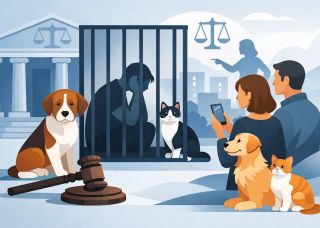
When a person is convicted of animal cruelty, the public usually sees a headline, maybe a court update, and then silence. That gap is exactly why an animal abuse offender database matters. It turns scattered case information into a public accountability tool, making it harder for abuse to disappear once the news cycle moves on.
For advocates, journalists, policymakers, and everyday residents, this is not about spectacle. It is about transparency, prevention, and public safety. Animal abuse is not a private lapse in judgment. It is a documented act of harm with community consequences, and communities have a legitimate interest in knowing when that harm has occurred.
What an animal abuse offender database does
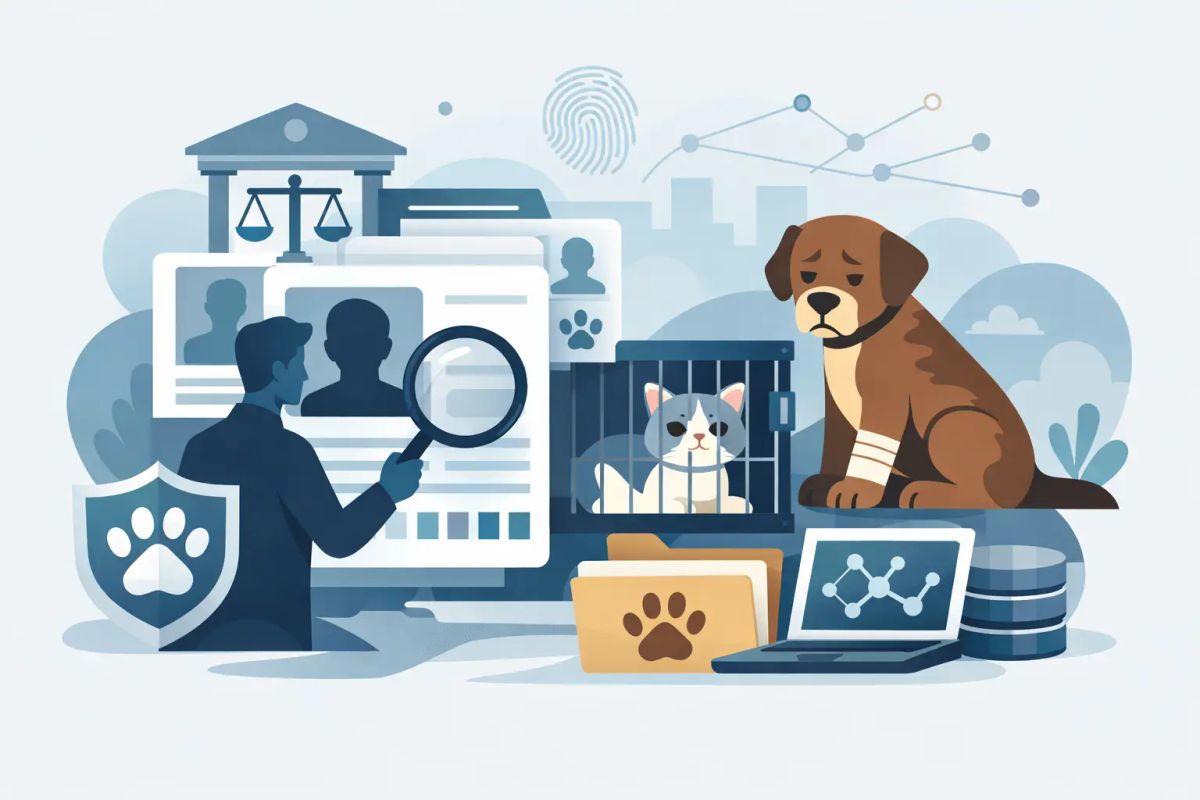
At its core, an animal abuse offender database gathers verified information about people convicted of qualifying animal cruelty offenses and makes that information accessible in a structured way. The goal is straightforward: create a reliable public record that supports awareness, oversight, and prevention.
That matters because cruelty cases are often fragmented across municipal courts, county records, law enforcement reports, and local media coverage. Even when the information is technically public, it can still be difficult to find, difficult to interpret, and easy to lose track of over time. A database solves a practical problem. It organizes what the public is already entitled to know.
A serious registry also does something larger. It sends a clear message that animal cruelty deserves lasting consequences. Not symbolic outrage. Not temporary attention. Real visibility.
Why public accountability matters after conviction
Conviction is not the end of the issue. In many cases, it is the beginning of the accountability question. If someone has been found guilty of abusing an animal, people may reasonably ask whether that individual should be trusted to acquire more animals, work in settings involving animals, or avoid scrutiny altogether.
This is where transparency serves the public interest. Shelters, rescues, breeders, landlords, neighbors, and employers may all have reasons to take a closer look at a person with a cruelty conviction. An animal abuse offender database does not replace the courts. It reflects their findings and makes those findings usable.
There is also a broader pattern that cannot be ignored. Animal cruelty is frequently discussed alongside other forms of violence, coercion, and neglect. That does not mean every offender presents the same risk, and it would be irresponsible to claim otherwise. But it does mean cruelty should never be minimized as a one-off matter with no public relevance.
What should be included in an animal abuse offender database
A credible database lives or dies on accuracy. Public trust depends on clear standards, verified records, and defined criteria for inclusion. That means it should rely on convictions or other legally established findings, not rumors, accusations, or social media claims.
The strongest databases typically include the offender's name, location information where lawful and appropriate, the offense, the court of conviction, and the date of the offense or disposition. Some may also include case numbers, length of registration, and whether the person is currently restricted from owning animals.
Just as important is what should not be included. A database should not drift into vigilantism, public shaming for its own sake, or publication of unverified allegations. If the point is accountability, then the standard has to be disciplined. Anything less weakens the mission and creates legal and ethical problems.
The hard questions critics raise
Any honest discussion of an animal abuse offender database has to address the objections. Some people argue that once a sentence has been served, public listing becomes excessive. Others worry about data errors, outdated records, or overbroad publication that makes no distinction between offense severity.
Those concerns are not trivial. A useful registry needs due process, regular updates, clear correction procedures, and defined terms for inclusion. A person listed in error can suffer real harm, and a stale database can damage public confidence. If a system is going to claim moral and civic authority, it has to be maintained with care.
There is also a question of scope. Should every cruelty-related conviction be included? Should neglect cases be treated the same as intentional torture? Should juveniles be listed? Reasonable people can disagree on some of these design choices. But disagreement about structure is not an argument against the existence of public accountability itself. It is an argument for building better policy.
Why registries are part of prevention, not just punishment
The public often hears about registries only after a severe case of abuse. By then, the harm is already done. The deeper value of a database is preventive. It gives communities, organizations, and institutions information before another animal is placed at risk.
Consider how often animal transfers happen through informal channels. A person can adopt from a private owner, respond to an online listing, or obtain animals through community contacts with little scrutiny. If cruelty convictions remain buried in separate records, preventable harm becomes more likely. Transparency changes that equation.
It also strengthens policy advocacy. Legislators are more likely to act when there is visible evidence that cruelty is not rare, isolated, or invisible. A public-facing registry helps show the scale of the issue and the need for stronger enforcement, clearer ownership restrictions, and meaningful penalties.
Why this matters in Nevada
In Nevada, where rapid growth and uneven local resources can make enforcement inconsistent, a statewide accountability framework has real value. A person convicted in one jurisdiction should not be able to move to another part of the state and leave that record effectively behind. Public protection should not stop at county lines.
That is one reason Nevada Animal Advocates has centered offender transparency as part of a larger reform agenda. A registry is not a substitute for stronger laws, better prosecution, or better training. It is one piece of a system that treats cruelty as a serious offense instead of an administrative afterthought.
For journalists, a statewide database can reveal patterns. For residents, it can answer practical questions. For lawmakers, it can make policy gaps harder to ignore. That combination matters because reform rarely happens on outrage alone. It happens when information is organized, visible, and difficult to dismiss.
What makes a database credible to the public
Credibility comes from restraint as much as from access. A registry should be transparent about where its data comes from, how often it is updated, what offenses qualify, and how people can report errors. If those guardrails are missing, even a well-intentioned project can lose legitimacy.
It should also be readable. Public resources fail when they are technically available but practically unusable. If records are buried in legal jargon or scattered across inconsistent formats, the public is left with confusion instead of clarity. A strong database translates legal outcomes into accessible information without distorting the facts.
There is a deeper principle here. Public accountability works only when the public can actually use the information. That means plain language, consistent standards, and ongoing maintenance.
The database is a tool, not the full solution
No registry, on its own, will end animal abuse. It will not rescue animals from dangerous homes, prosecute cases, or rewrite weak statutes. It cannot fix underreporting, plea bargains that minimize cruelty, or agencies that lack resources. Anyone presenting a database as a complete answer is overselling it.
But dismissing it for not doing everything misses the point. Public accountability tools are valuable precisely because they fill a gap that enforcement alone often leaves behind. They help communities stay informed. They create pressure for better policy. They make it harder for cruelty to fade into administrative obscurity.
That is especially important in a field where too many cases are treated as secondary, too many penalties are weak, and too many offenders count on the public forgetting.
What readers should expect from any public registry
If you are evaluating an animal abuse offender database, expect more than a list of names. Expect a system rooted in verified records, legal clarity, and public purpose. Expect correction procedures. Expect clear inclusion rules. Expect regular updates. And expect the project to connect transparency to broader reform, because visibility without policy change has limits.
Animal cruelty thrives in the shadows created by silence, inconsistency, and weak consequences. A well-built database pushes in the opposite direction. It says that abuse will be documented, remembered, and treated as a matter of public concern.
That is not about punishing people forever. It is about refusing to pretend that cruelty is harmless, isolated, or irrelevant once a case leaves the courtroom. If communities want fewer abused animals, they need stronger laws, stronger enforcement, and stronger public records to match.