
Can Neighbors Report Animal Cruelty?
Published by Nevada Animal Advocates
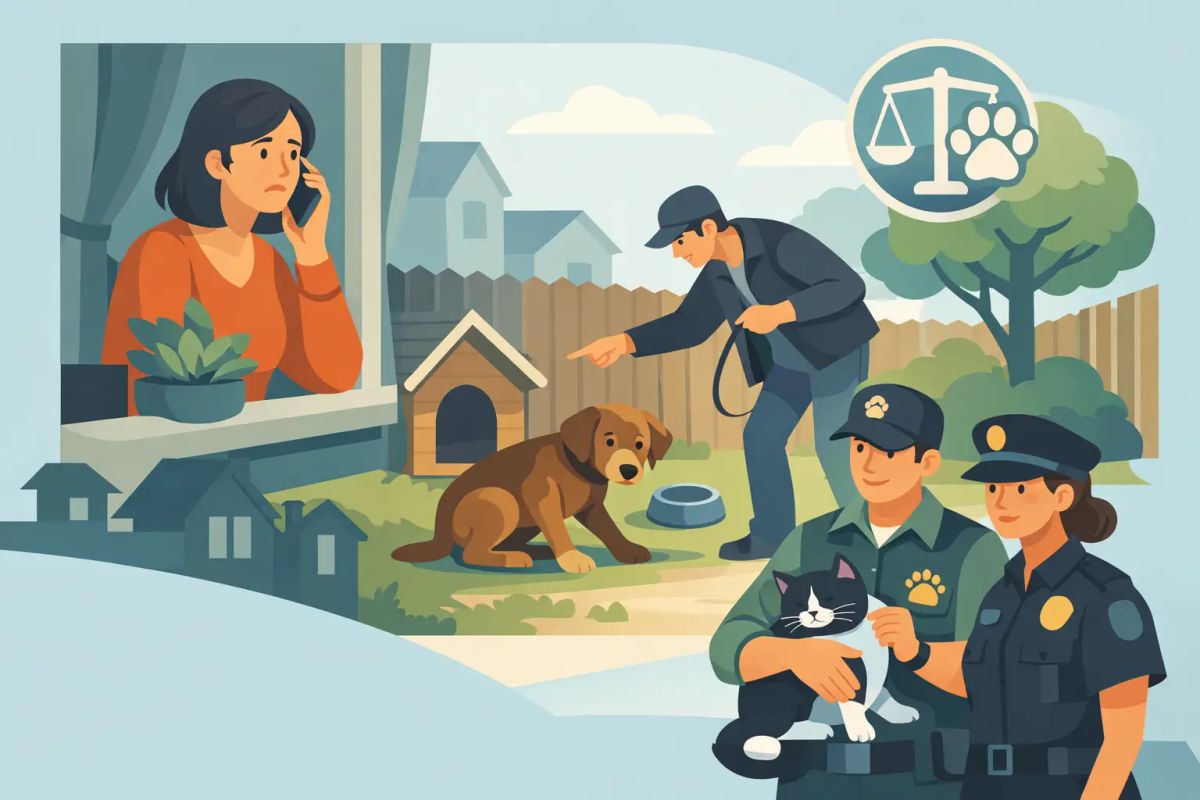
A dog left outside in triple-digit heat. A horse with visible ribs. Repeated yelping behind a fence, night after night. When abuse happens next door, people often hesitate for the same reason: they are not sure whether it is really their place to step in. The answer to can neighbors report animal cruelty is yes. In many cases, they are the people best positioned to notice patterns, document what is happening, and trigger an official response before neglect turns fatal.
That does not mean every bad impression is a crime, and it does not mean every report leads to charges. But it does mean neighbors have both the right and, often, the civic responsibility to speak up when an animal appears to be in danger.
Can neighbors report animal cruelty if they are not the owner?
Yes. You do not need to own the animal, live in the same household, or witness an act of violence up close to make a report. Animal cruelty laws exist to protect animals, not to shield owners from scrutiny. If a neighbor sees signs of abuse or neglect, they can report those concerns to animal control, local law enforcement, or the appropriate humane investigation agency in their area.
This matters because cruelty is often not a single dramatic incident. It is a pattern. A neighbor may be the only person who sees that a dog has had no water for days, that an animal is consistently confined in dangerous conditions, or that repeated cries are coming from the same property. Veterinarians, shelters, and enforcement officers usually enter the picture later. Neighbors are often first.
In Nevada and elsewhere, reporting can also create a record. Even if one complaint does not immediately produce a seizure or citation, multiple reports over time can establish a documented history of neglect or abuse. That record can become critical if conditions worsen.
What counts as animal cruelty and what counts as concern?
This is where hesitation often sets in. People do not want to falsely accuse someone. That concern is understandable, but it should not become an excuse for inaction.
Animal cruelty generally includes intentional harm, torture, abandonment, and severe neglect. Neglect can be just as dangerous as overt violence. Lack of food, water, shelter, veterinary care, sanitation, or protection from extreme weather may all qualify depending on the facts and local law.
Still, not every situation that looks troubling from a distance is automatically unlawful. A thin animal may be elderly or sick and under treatment. A dog barking outside may have access to water and shade that is not visible from the street. A report is not a conviction. It is a request for authorities to assess the situation.
That is the key distinction. Neighbors do not need to prove a crime before making a report. They need a reasonable concern based on observable facts.
Signs that should prompt a report
Some red flags are hard to explain away. An animal with untreated wounds, visible bones, severe limping, parasite infestation, or prolonged confinement in filth may be in immediate danger. The same is true when an animal is left without shade in extreme heat, without adequate shelter in freezing temperatures, or tied up for long periods with no access to basic care.
Behavior can also matter. Repeated screams, sounds of striking, signs of intense fear, or an animal that suddenly disappears after prolonged visible suffering can all justify concern. So can repeated patterns, such as a dog consistently left on a balcony without relief, or multiple animals cycling through the same property under poor conditions.
If children or vulnerable adults are also present in a home where animal abuse is suspected, the stakes may be even higher. Research and case experience have long shown that animal cruelty can overlap with other forms of violence. Reporting may protect more than one victim.
How neighbors should report animal cruelty
The strongest reports are factual, calm, and specific. Emotion is natural, especially when an animal appears to be suffering, but officials can act faster on details than on outrage alone.
Start with what you directly observed. Note dates, times, address, type of animal, and specific conditions. Instead of saying the owner is horrible, say the dog was outside from 11 a.m. to 4 p.m. with no visible water in 108-degree heat. Instead of saying the horse was abused, say its ribs and hip bones were visible on multiple dates and the enclosure appeared to contain no hay or clean water.
Photos or video can help if they are taken lawfully from your own property or a public place. Do not trespass, open gates, or put yourself in danger trying to investigate. Report what you can see and hear without crossing legal boundaries.
If the situation appears life-threatening or actively violent, call law enforcement right away. If it is urgent but not actively unfolding, contact animal control or the relevant local agency. In some communities, both should be notified. If you are unsure who handles these cases, start with your local police non-emergency line and ask where animal cruelty reports are directed.
What happens after a report
People often assume that one call means officers immediately remove the animal. That can happen, but often it does not. Investigations depend on available evidence, legal thresholds, agency resources, and whether officers can verify the conditions described.
Sometimes the first result is a welfare check. An officer may visit the property, observe the animal, speak with the owner, and issue warnings or compliance orders. In more serious cases, authorities may cite the owner, seize the animal, or pursue criminal charges.
This can be frustrating for neighbors who expected a faster or harsher response. But reporting still matters. Even when immediate removal does not occur, the complaint may create an official record, trigger follow-up inspections, or support later enforcement. Silence helps abusers more than imperfect enforcement ever will.
Can neighbors report animal cruelty anonymously?
Often, yes, but it depends on the agency. Many jurisdictions allow anonymous or confidential complaints, especially at the intake stage. That said, anonymity can have limits. If a case advances and your testimony becomes relevant, investigators or prosecutors may ask whether you are willing to make a statement.
Some people fear retaliation from the neighbor they are reporting. That fear is real, particularly in close residential settings. But fear should not become protection for cruelty. Ask the receiving agency whether your identity can remain confidential and what their process is for witness statements.
If several neighbors have witnessed the same conduct, coordinated reporting can also help. Multiple independent accounts may strengthen the case and reduce the pressure on any one person.
Why neighbor reports matter in cruelty cases
Cruelty thrives in private, but neglect rarely stays invisible forever. It shows up in noise, odor, repeated exposure, collapsing health, and obvious distress. Neighbors are often the only people who see enough of the pattern to recognize that this is not a one-time problem.
That is why public accountability matters. Animal abuse should not be treated as a personal matter hidden behind a fence line. It is a public-interest issue involving suffering, safety, and enforcement. When communities report cruelty instead of ignoring it, they make it harder for repeat offenders to operate without consequence.
This is also why stronger systems matter. A complaint should not disappear into a void. It should feed into meaningful enforcement, documented histories, and real consequences for offenders. Efforts like public registries and stronger state laws exist for a reason: transparency changes outcomes.
When uncertainty is not a reason to stay quiet
The hardest cases are often the ones that fall between obvious emergency and vague discomfort. Maybe you are not sure whether the animal is underfed. Maybe the owner always has an explanation. Maybe you worry about being wrong.
If your concern is sincere and based on observable facts, report it. Let trained authorities assess the situation. Waiting for absolute certainty can leave an animal in prolonged suffering while neighbors debate whether it is serious enough yet.
Animal cruelty is serious. So is chronic neglect. Communities do not become safer or more humane by looking away from what is happening next door.
If you see a pattern that suggests suffering, document it carefully, report it promptly, and keep the focus where it belongs - on the animal who cannot call for help.