
10 Signs of Animal Cruelty Cases
Published by Nevada Animal Advocates
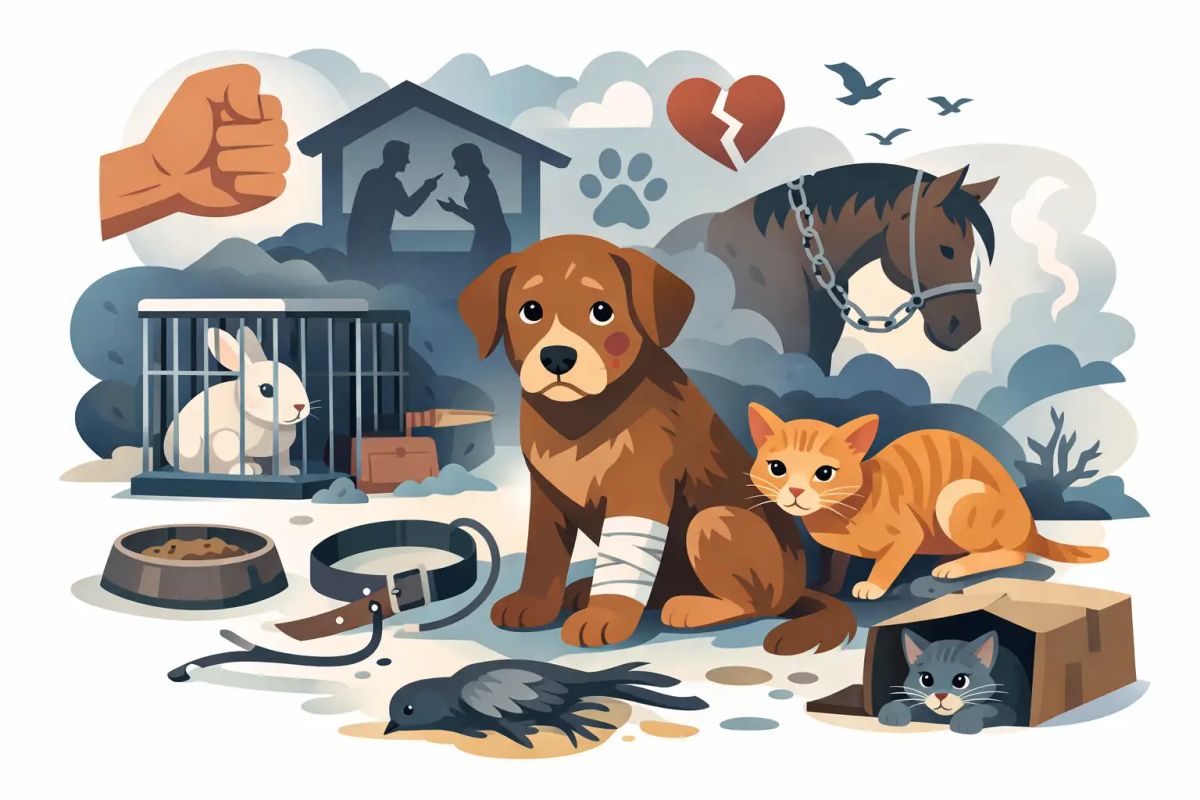
Cruelty rarely starts with the worst photo that makes the news. More often, the early signs of animal cruelty cases are visible in plain sight - a dog left outside without water in extreme heat, an animal with untreated wounds, a property where multiple animals appear underfed and terrified. People notice these things every day, then hesitate because they are not sure what counts as abuse, what is neglect, or when concern becomes a reportable issue.
That uncertainty protects offenders. It does not protect animals.
Animal cruelty is not always dramatic, and it is not always easy to identify from a single glance. Some cases involve deliberate violence. Others involve chronic neglect so severe that it becomes life-threatening. Both matter. Both can escalate. Both can reflect broader risks to public safety, household violence, and community harm.
Why signs of animal cruelty cases matter early
Waiting for absolute proof is one of the biggest reasons abuse continues. A concerned neighbor, delivery driver, family member, or passerby may be the first person to recognize a pattern before law enforcement or animal control ever sees it. That does not mean every thin dog is abused or every barking animal is neglected. It does mean repeated warning signs deserve attention, documentation, and, when appropriate, a report.
Cruelty cases often involve patterns rather than a single event. An isolated muddy yard is one thing. An animal repeatedly confined in dangerous weather with no shelter, no visible food, and obvious physical decline is another. Context matters. Frequency matters. Visible suffering matters.
10 signs of animal cruelty cases
1. Severe weight loss or obvious malnourishment
An animal's ribs, spine, and hip bones may be sharply visible, or the animal may appear weak, lethargic, and desperate for food. Weight loss can happen because of illness, age, or medical conditions, so this sign alone does not prove cruelty. But when malnourishment is paired with poor living conditions, lack of care, or multiple neglected animals, it becomes a serious red flag.
2. Untreated wounds, infections, or limping
Open cuts, bleeding, infected skin, missing fur, swollen limbs, embedded collars, and obvious pain are all warning signs. The issue is not whether an animal has ever been injured. Injuries happen. The issue is whether someone is ignoring visible suffering or refusing necessary veterinary treatment.
3. Lack of water, food, or basic shelter
This is one of the clearest indicators of neglect. Animals need access to clean water, adequate food, and protection from weather. In Nevada, where heat can become deadly fast, an animal left without shade or water is not facing a minor inconvenience. It may be in immediate danger.
A broken doghouse does not automatically equal cruelty. But no shelter at all during extreme heat, cold, or storms is a very different situation.
4. Dangerous confinement
Short chains, cramped cages, filthy kennels, and enclosures filled with feces or urine can signal abuse or severe neglect. So can animals kept in cars, garages, or outdoor spaces without ventilation or room to move. Confinement becomes cruelty when it causes suffering, injury, or prolonged deprivation.
5. Extreme fear, cowering, or aggression linked to trauma
Behavior alone is not proof of abuse. Some animals are fearful because of poor socialization, past trauma, or genetics. But an animal that flinches violently at human movement, cowers continuously, shows panic around one specific person, or appears shut down in a way that suggests chronic mistreatment may be signaling a deeper problem.
The key is not to treat behavior as a diagnosis. It is to see it as part of a larger pattern.
6. Heavy parasite infestations or extreme filth
Fleas, ticks, mange, and matted fur are not just cosmetic issues. They can reflect prolonged neglect and serious suffering. Animals living in thick waste, infestations, or hazardous debris are often being denied basic care for extended periods.
This is especially concerning in multi-animal situations, where one neglected condition often points to a broader failure across the property.
7. Too many animals with too little care
When a person has more animals than they can safely feed, house, or treat, conditions can deteriorate quickly. Hoarding cases are often misunderstood because the person may insist they love the animals. Intent does not erase harm. If animals are starving, sick, reproducing unchecked, or dying in overcrowded conditions, the result is cruelty regardless of what the owner claims.
8. Signs of physical violence
Bruising, burns, repeated unexplained injuries, broken bones, and marks consistent with being struck or restrained are among the most serious warning signs. Witnessing someone kick, beat, choke, drag, or otherwise assault an animal should always be treated as urgent.
Deliberate violence is not a private matter. It is a public safety issue.
9. Animals left behind, abandoned, or discarded
Abandonment is cruelty. Animals tied to structures without care, left in vacant homes, dumped in remote areas, or turned loose to fend for themselves are at immediate risk. People sometimes frame abandonment as surrender by neglect. It is not the same thing.
If an owner moves away and leaves animals without food, water, or arrangements for care, that is not confusion. It is a reportable concern.
10. Repeated breeding, fighting indicators, or suspicious property conditions
Some cases involve organized abuse rather than simple neglect. Repeated litters in poor conditions, animals with scarring around the face or front legs, heavy chains, treadmills, bite sticks, or isolated confinement areas can point to fighting operations or exploitative breeding setups. These situations often involve criminal conduct beyond animal cruelty alone.
What makes a concern credible
People often worry about overreacting. That concern is understandable, but it should not become an excuse for silence. A credible concern does not require you to investigate like a detective. It means you observed something concrete - physical condition, living conditions, repeated deprivation, visible injury, or direct mistreatment.
Photos, dates, times, location details, and a short factual description can help authorities assess a case. Stick to what you saw. Do not trespass, do not confront a potentially violent person if it puts you at risk, and do not embellish. Accurate reporting is stronger than emotional speculation.
When it may be neglect, abuse, or something less clear
Not every troubling image has the same legal meaning. A thin senior animal under active veterinary care is different from an emaciated dog confined without food. A muddy pasture after a storm is different from animals living long term in hazardous waste. The line is not always obvious from one observation.
That is exactly why reporting concerns matters. Animal control officers, law enforcement, and investigators are responsible for evaluating evidence, checking conditions, and determining whether legal standards have been violated. The public does not need to make the final legal call before speaking up.
Why reporting animal cruelty protects more than animals
Animal cruelty does not exist in a vacuum. Research and case histories have repeatedly shown links between violence toward animals and violence toward people, including children, intimate partners, and vulnerable adults. When abuse is ignored, the cost is wider than one property or one pet.
Public accountability matters because hidden cruelty thrives in silence. That is why registries, stronger enforcement standards, and transparent consequences are not symbolic measures. They are tools that help communities recognize patterns, take allegations seriously, and push institutions to act.
For advocates focused on reform, including organizations such as Nevada Animal Advocates, the issue is not only rescuing one animal at a time. It is building a system where abuse is harder to hide and easier to prosecute.
What to do if you notice signs of animal cruelty cases
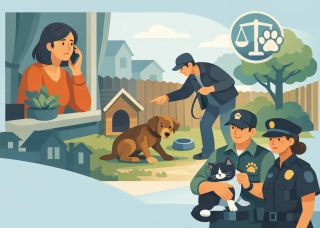
Start by documenting what you can lawfully observe. Note dates, times, addresses, vehicle information if relevant, and the condition of the animal. If the animal appears in immediate danger - for example, trapped in a hot car, actively being beaten, or suffering a severe untreated injury - contact local authorities right away.
If the problem appears ongoing rather than immediate, report it to the appropriate local agency, such as animal control or law enforcement, and keep your records. In some cases, follow-up matters because chronic neglect is often missed on a single visit. Persistence is not harassment when the concern is real and documented.
Animals cannot explain what is happening to them. They rely on people to recognize suffering before it becomes fatal, normalized, or ignored. If something looks wrong, take it seriously. The standard should not be certainty. It should be whether there is enough cause to act before more harm is done.