
How to Document Cruelty Evidence in Nevada
Published by Nevada Animal Advocates

A suffering animal cannot explain what happened. The evidence gathered by a witness may be the difference between a report that disappears and an investigation that leads to real consequences. Knowing how to document cruelty evidence protects the animal, strengthens the factual record, and gives law enforcement or animal control something they can act on.
Documentation is not about becoming an investigator or confronting a suspected abuser. It is about observing carefully, preserving what you saw, and reporting it through the proper channels. Animal cruelty is a public safety issue. It demands urgency, but it also demands discipline.
Start With Safety, Not a Confrontation
If an animal is in immediate danger, call 911. Immediate danger can include an animal being actively beaten, left in a vehicle during dangerous heat, attacked, severely injured, trapped without escape, or showing signs of medical crisis. Explain what is happening, where it is happening, and whether the situation is ongoing.
For non-emergency concerns, contact the appropriate local animal control agency or law enforcement department. Nevada jurisdictions may handle animal cruelty reports differently, so a clear location is essential. Give the street address if you have it, or the closest cross streets, landmarks, license plate number, or description of the property.
Do not enter private property, climb fences, open gates, remove an animal, or attempt to force access to a home or vehicle. Do not confront a suspected offender. Those actions can put you, other people, and the animal at greater risk. They can also complicate an investigation. Your role is to report what you can lawfully observe and preserve.
Record What You See, Not What You Assume
The strongest evidence is specific, factual, and free of speculation. Instead of writing, “The owner clearly does not care,” describe the conditions: “At approximately 3:15 p.m., a brown dog was tethered in direct sunlight. I did not observe water or shade. The dog was panting heavily and repeatedly lying down.”
Details matter because cruelty cases often turn on patterns, timing, physical condition, and whether a responsible person had notice of the problem. Write down observations as soon as possible while they are fresh. Include the date, time, exact location, weather conditions when relevant, and a description of every animal involved.
Useful observations may include the animal’s apparent condition, such as visible wounds, extreme thinness, limping, untreated injuries, excessive panting, matted fur, fearfulness, or inability to stand. Also document the environment: no accessible water, inadequate shelter, dangerous debris, accumulated waste, short or tangled tethering, exposure to extreme heat or cold, or lack of food.
Avoid diagnosing an animal or claiming a legal violation unless you are qualified to do so. A witness does not need to prove the case. A witness needs to give responding authorities reliable information that can be verified.
How to Document Cruelty Evidence With Photos and Video
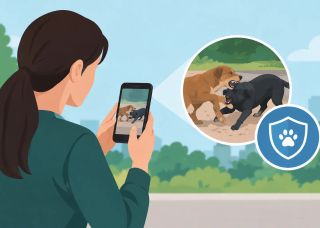
Photos and video can be powerful when they are lawful, clear, and connected to the circumstances you observed. Take images only from a place where you have a legal right to be, such as a public sidewalk, street, or your own property. Do not trespass or place yourself in danger to get a better shot.
Start with wide images that establish the setting, then take closer images of relevant conditions. For example, photograph the animal’s enclosure, available shade, water containers, tether length, surrounding hazards, and the animal’s visible condition. A wide photo explains context; a close photo may show the detail that matters.
Video is especially useful when conditions involve movement or sound. It can capture persistent barking or distress, an animal unable to reach water, an owner’s conduct occurring in public view, or the heat and lack of shelter in a confined area. Keep recordings steady and avoid narrating accusations while filming. If you speak, state only objective facts such as the date, time, location, and what is visible.
Do not alter, crop, add filters to, or annotate original files. Save originals in more than one secure location. Screenshots and reposted social media images can lose useful data, so preserve the original photo or video whenever possible. If a device automatically records the date and location, leave that information intact.
Build a Clear Timeline
Cruelty is often not a single event. Chronic neglect may become visible only when multiple observations establish a pattern. A simple written log can show that an animal was repeatedly exposed to harmful conditions or that prior reports did not resolve the issue.
For each observation, record the date, start and end time if known, location, weather, animal description, conditions observed, photos or videos taken, and the agency or officer you contacted. Note report numbers, names of personnel, and any instructions you received.
If other witnesses saw the same conditions, encourage them to make their own reports and document what they personally observed. Do not coordinate stories, exaggerate details, or ask people to repeat claims they cannot verify. Independent accounts carry greater weight than copied allegations.
Preserve Digital Evidence Carefully
If evidence appears online, preserve it quickly. Public posts, videos, marketplace listings, and comments can be deleted without warning. Take screenshots that show the account name, date, caption, and surrounding context. If possible, record the full page or save the original media file as well.
Do not harass, threaten, or publicly identify a suspected offender. Public accusations can endanger animals, expose witnesses to retaliation, and interfere with a pending case. Send relevant material directly to the investigating agency. If a case results in a verified conviction, public accountability should be based on official records, not internet speculation.
Keep Physical Evidence Intact
Most witnesses will not handle physical evidence, and that is usually best. If an item may be connected to animal cruelty, such as a collar, restraint, food container, or other object, leave it where it is unless emergency responders instruct otherwise. Touching, moving, cleaning, or collecting an item can damage its evidentiary value.
There are limited exceptions. If you lawfully find an injured or abandoned animal and must provide emergency assistance before authorities arrive, prioritize life and safety. Take a few photos first if doing so does not delay help, then tell responders exactly what you did, where the animal was found, and who else was present. Honest documentation of your actions helps preserve the record.
Veterinary records can also become critical evidence when an animal receives treatment. If you are the lawful owner or custodian bringing an animal for care, ask the veterinary team to document injuries and clinical findings thoroughly. Do not pressure a veterinarian to reach conclusions beyond their professional assessment.
Make the Report Actionable
A report should give an agency enough information to locate the animal and assess the conditions. Lead with the urgent facts: where the animal is, what condition it appears to be in, whether the harm is happening now, and whether there are immediate risks to people or other animals.
Be prepared to provide your name and contact information. Anonymous reports can still alert authorities, but investigators may need follow-up details or a witness statement. If you fear retaliation, say so and ask what confidentiality protections may apply. Agencies cannot always guarantee anonymity, especially if a case proceeds, but raising the concern early is better than disappearing from the process.
Request a report or incident number and keep it with your timeline. If the situation continues, make follow-up reports with new facts rather than simply repeating the original complaint. A documented pattern of continued neglect after notice may be significant.
Accountability Requires Facts and Follow-Through
Animal cruelty should never be treated as a private inconvenience or a minor dispute between neighbors. It is violence against a vulnerable being, and it can signal broader risks within a community. But accountability is strongest when public concern is grounded in credible evidence, lawful reporting, and sustained pressure for effective enforcement.
Nevada Animal Advocates supports transparency and meaningful consequences for animal cruelty offenses because communities deserve to know whether systems are responding. Witnesses help make that accountability possible when they preserve facts instead of rumors and insist that serious reports receive serious attention.
When you see suffering, do not look away. Document what you can safely observe, report it promptly, and keep a careful record. The animal may not have another person willing to speak with evidence behind them.