
Why Mandatory Reporting Animal Cruelty Matters
Published by Nevada Animal Advocates
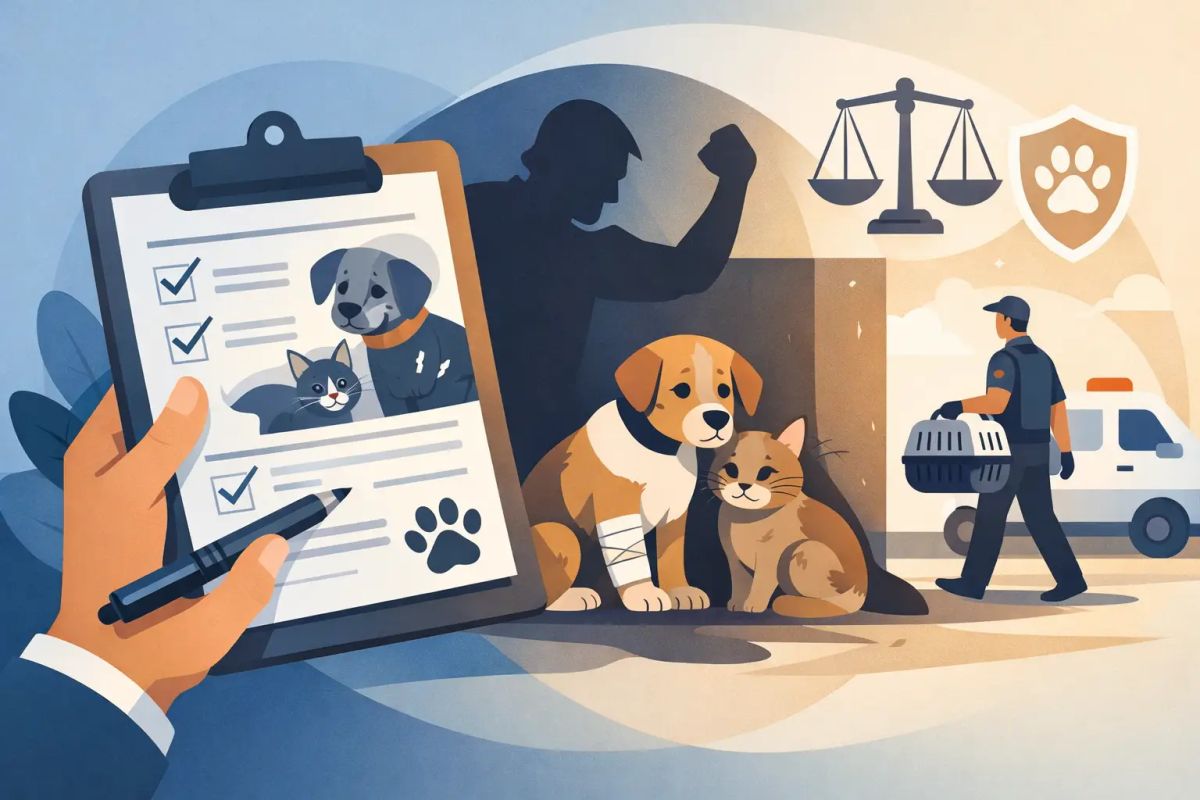
Animal cruelty rarely happens in isolation. That is why mandatory reporting animal cruelty deserves serious attention from lawmakers, veterinarians, animal welfare professionals, social workers, educators, and the public. When abuse is left to personal discretion instead of legal duty, too many cases stay hidden until the harm is extreme, repeated, or fatal.
This is not a minor policy debate. It is a question of whether a state treats cruelty as a private matter or as a public safety issue. Mandatory reporting laws can move animal abuse out of the shadows by requiring certain professionals to report suspected cruelty when they encounter it in the course of their work. Done well, these laws create earlier intervention, clearer accountability, and stronger records that can support enforcement.
What mandatory reporting animal cruelty actually means
Mandatory reporting animal cruelty laws require designated professionals to report suspected abuse, neglect, or animal fighting to the appropriate authority. The exact scope depends on the statute. Some laws apply mainly to veterinarians. Others may reach animal control officers, humane investigators, social workers, health care professionals, or employees of public agencies.
That difference matters. A narrow law may protect animals seen in clinics but miss abuse that is visible in homes, schools, farms, or community settings. A broader law may catch more cases, but it also raises harder questions about training, confidentiality, and how much evidence is enough to trigger a report.
The core principle is simple. If a professional is in a position to observe signs of cruelty, the law may require action instead of silence.
Why this issue is bigger than animal welfare alone
Animal abuse is often connected to other forms of violence, coercion, and neglect. That connection has been documented for years, and it is one reason cruelty cannot be treated as a low-level offense with low-level consequences. In many households, harming an animal is part of a broader pattern of control. It may be used to intimidate children, punish partners, or signal a willingness to escalate violence.
That is why reporting requirements can serve a larger public interest. A report about a starving dog, repeated blunt-force injuries, or signs of organized fighting may also reveal a dangerous environment for vulnerable adults or children. The reverse is true as well. Professionals investigating family violence may uncover animal abuse that deserves immediate intervention.
States that take this overlap seriously are not overreaching. They are recognizing reality.
The case for stronger reporting laws
The strongest argument for mandatory reporting is that discretion often fails animals. Many people assume someone else will step in. Some worry about being wrong. Others fear conflict with clients, employers, neighbors, or local power structures. As a result, red flags get explained away.
A legal reporting duty changes that culture. It tells professionals that abuse is not just troubling. It is reportable. That shift matters because repeated cruelty often leaves evidence long before a criminal case is built. Untreated wounds, embedded collars, chronic malnutrition, severe hoarding conditions, and injuries inconsistent with an owner's explanation are not gray-area concerns that should be ignored until there is absolute proof.
Reporting laws also improve data. If cases are never reported, policymakers can pretend the problem is smaller than it is. Better reporting creates better records, and better records strengthen the case for enforcement resources, public transparency, and legislative reform.
For organizations focused on accountability, including Nevada Animal Advocates, that public record is not secondary. It is part of how systems are forced to respond.
What makes a reporting law effective
Not every mandatory reporting law is strong just because it exists on paper. Weak laws can create confusion, underreporting, and inconsistent enforcement.
A workable law usually needs clear definitions. Professionals should know what counts as suspected cruelty, what agency receives the report, what timeline applies, and whether verbal reports must be followed by written documentation. Vague statutes invite paralysis.
Immunity protections are also essential. People who report in good faith should not face retaliation or civil liability for making a reasonable report. Without that protection, some professionals will stay quiet even when the warning signs are obvious.
Training matters just as much as legal text. A veterinarian may recognize non-accidental injury, but another mandated reporter may not understand what prolonged neglect looks like or how animal abuse can appear alongside domestic violence. Laws without training can produce both underreporting and poor-quality reporting.
Finally, enforcement cannot stop at the reporting stage. If agencies are understaffed, if prosecutors downgrade cases by default, or if courts treat cruelty as disposable, the law loses force. Reporting only matters if the system is prepared to act.
The trade-offs and hard questions
There are real implementation concerns, and pretending otherwise does not help the cause.
Veterinarians, for example, may worry that mandatory reporting could discourage some owners from seeking care for injured animals. That concern should not be dismissed out of hand. In some cases, a person who caused harm may avoid treatment if they expect a report. But that risk must be weighed against the cost of silence. An animal that is repeatedly injured and returned to an abusive setting is not protected by professional hesitation.
There are also questions about professional judgment. Not every injury is abuse. Not every case of poor condition is intentional neglect. Poverty, limited transportation, untreated mental illness, and lack of access to veterinary care can affect what professionals see. A sound reporting law should not require certainty. It should require reasonable suspicion, paired with room for investigators to sort out the facts.
That distinction is important. Good policy does not criminalize hardship. It creates a path to investigate serious harm while recognizing that not every troubling case has the same cause or the same remedy.
Why Nevada and other states should pay attention
States vary widely in how they handle animal cruelty reporting. Some have mandatory duties. Some permit reporting but do not require it. Some offer immunity but little guidance. That patchwork approach leaves animals vulnerable and leaves professionals guessing.
For a state that claims to care about public safety, that inconsistency is a problem. Mandatory reporting should be part of a larger framework that includes clear cruelty statutes, offender tracking, cross-reporting where appropriate, and meaningful penalties. Public transparency also matters. Communities cannot hold systems accountable if abuse cases disappear into fragmented records and quiet dismissals.
In Nevada, where advocacy around animal cruelty reform has become more visible, this issue fits into a broader demand for consequences. A state cannot claim to be serious about prevention while relying on chance discovery and voluntary reporting alone.
What lawmakers should get right
If lawmakers want a mandatory reporting animal cruelty statute that works, they should resist symbolic language and focus on operational detail.
The law should identify who must report, define the conduct that triggers reporting, set a clear timeline, and name the receiving agency. It should include good-faith immunity, require recordkeeping, and establish penalties for willful failure to report when the evidence meets the statutory threshold.
It should also fund implementation. That means training for mandated reporters, coordination across agencies, and enough investigative capacity to handle incoming cases. Passing a law without funding the response system is not reform. It is messaging.
Lawmakers should also think carefully about cross-reporting structures. In some cases, there should be pathways for animal welfare agencies, child welfare professionals, and domestic violence responders to share concerns within the limits of privacy law. Abuse does not respect bureaucratic boundaries.
What the public should demand
The public does not need a law degree to understand the stakes. If a system allows repeated cruelty to go unreported, that system is failing. Residents, journalists, advocates, and professionals should ask direct questions. Who is required to report? What happens after a report is filed? Are agencies tracking outcomes? Are repeat offenders being flagged? Are cruelty cases being taken seriously in court?
Accountability begins with visibility. When cruelty is hidden, institutions get the benefit of silence. When reporting is required and records are taken seriously, the burden shifts where it belongs - onto the people who abuse animals and the systems that enable them.
Mandatory reporting will not fix every weakness in animal protection law. It will not replace strong investigations, prosecutions, or public registries. But it can close one of the most damaging gaps in the system: the gap between seeing cruelty and acting on it.
Animals should not have to depend on whether a witness feels brave enough, certain enough, or personally comfortable enough to speak up. If the signs of abuse are there, the law should require a response. That is not excessive. It is the minimum standard of a society that claims to value justice.