
Veterinary Cruelty Reporting Protects Animals
Published by Nevada Animal Advocates

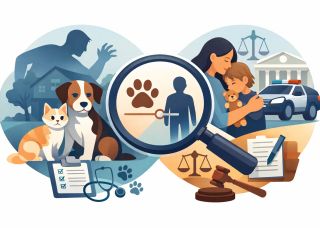
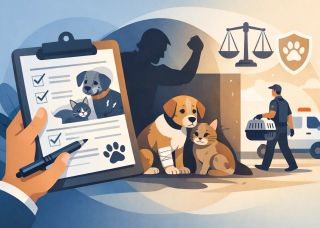
A veterinary exam can reveal what an abuser works to hide: untreated fractures, repeated injuries, severe neglect, starvation, improper confinement, or a story that does not match the animal’s condition. Veterinary cruelty reporting is not an administrative afterthought in those moments. It can be the point at which an animal’s suffering becomes visible to the authorities, documented for the record, and impossible to dismiss.
For Nevada communities, this matters far beyond a single clinic visit. Animal cruelty is often a pattern of control, violence, and disregard for law. When credible concerns are recognized and reported responsibly, animals have a better chance of being protected and investigators have a stronger foundation to act.
Why veterinary cruelty reporting matters
Veterinary professionals occupy a position few others do. They can assess injuries, body condition, pain, disease, and behavior through trained clinical observation. They can also compare a caregiver’s explanation against physical findings, treatment history, and the animal’s overall presentation.
That expertise does not make every unusual injury proof of intentional cruelty. Animals are injured accidentally. Financial hardship can affect access to care. Some owners delay treatment because they are frightened, overwhelmed, or misinformed rather than malicious. Those distinctions matter. Reporting should be based on reasonable concern and objective facts, not assumptions about a person’s character or income.
But uncertainty is not a reason to ignore clear warning signs. A suspected cruelty report does not declare someone guilty. It alerts the appropriate agency that an animal may be in danger and that the circumstances warrant review. The investigation, evidence, and legal process determine what happens next.
When reporting is delayed, the consequences can be permanent. An animal may be returned to unsafe conditions, injuries may heal without documentation, evidence may disappear, and other animals in the same household may remain unseen. Silence can turn a single missed opportunity into ongoing harm.
What can raise a reasonable concern
No individual sign proves abuse or neglect. The concern grows when clinical findings, history, behavior, and living circumstances do not fit together. Veterinary teams should pay attention to patterns rather than relying on instinct alone.
Examples may include repeated injuries with implausible or changing explanations; significant untreated pain or advanced medical conditions; extreme emaciation or dehydration; wounds consistent with prolonged neglect; evidence of nonaccidental trauma; dangerous confinement; or a pattern of animals arriving dead, severely ill, or injured under similar circumstances.
A caregiver’s conduct can also be relevant. Refusing urgently necessary treatment while minimizing obvious suffering, appearing indifferent to severe pain, or offering a history that conflicts with the animal’s injuries may warrant closer scrutiny. At the same time, staff should avoid treating a client’s anxiety, anger, disability, language barrier, or inability to pay as evidence of cruelty. A fair process requires clinical judgment, cultural humility, and careful attention to facts.
Documentation turns concern into usable evidence
A report is only as useful as the information supporting it. Strong documentation protects the animal, assists investigators, and helps ensure that a case is evaluated on evidence rather than speculation.
Medical records should be contemporaneous, detailed, and objective. Describe what was observed: body condition, wound location and appearance, fracture findings, pain response, signs of infection, test results, recommended treatment, and the animal’s demeanor. Record the history provided by the caregiver as accurately as possible, including direct quotations when they are significant. Avoid conclusory labels in the medical record unless the conclusion is clinically supported.
Photographs, diagnostic images, laboratory results, and preserved records can be critical. Images should be clear, dated according to clinic procedure, and tied to the patient record. If evidence may need to be transferred to law enforcement or animal control, clinics should follow established procedures that preserve who handled it and when. This is not paperwork for paperwork’s sake. It is what allows a concern to withstand scrutiny when an animal’s safety is at stake.
Veterinarians and staff should also document every effort to explain medical needs and obtain appropriate care. If a client declines treatment, record the options offered, the likely consequences explained, and the client’s stated reason. That information may distinguish a difficult circumstance from a decision that leaves an animal in avoidable suffering.
Separate facts from conclusions
Language matters. “Dog presented with a three-inch infected wound containing live maggots” is a medical observation. “Owner is cruel” is a conclusion that may exceed what a clinician can establish in the moment. Reports are strongest when they clearly separate observed facts, medical opinions, and information reported by others.
That discipline does not weaken advocacy. It strengthens it. Agencies, prosecutors, and courts need reliable records that can be understood and defended.
How to make a report responsibly
Every clinic should have a written protocol for suspected cruelty and neglect. It should identify who makes the report, where reports are made, how records are secured, and how staff respond if a client becomes confrontational. A protocol reduces hesitation and prevents a serious concern from being handled differently depending on who is working that day.
In Nevada, the appropriate contact may depend on the immediate risk and local jurisdiction. Animal control, local law enforcement, or emergency dispatch may be appropriate channels. If an animal or person faces immediate danger, emergency services should be contacted without delay. For non-emergency concerns, staff should follow applicable local and state reporting requirements and their clinic’s legal guidance.
The report should provide enough information for authorities to locate the animal and understand the concern: the animal’s description, the owner or custodian’s identifying information if known, dates of care, relevant clinical findings, the history given, available evidence, and whether other animals may be at the property. Staff should preserve original records and avoid altering notes after the fact. If a correction is needed, it should be made transparently under normal recordkeeping practice.
Reporting does not require a clinic to investigate on its own. Veterinary teams should not conduct surveillance, confront a suspected offender outside the clinical setting, or attempt to seize an animal without lawful authority. Their role is to provide care, document professional findings, and relay credible concerns to the agencies charged with investigation and enforcement.
Confidentiality is real, but so is the duty to protect
One reason veterinary cruelty reporting can be difficult is the tension between client confidentiality and animal protection. Veterinary records are not casual public information, and clinics should not share them recklessly. At the same time, confidentiality should never become a blanket excuse for inaction when the law permits or requires disclosure for suspected cruelty.
Requirements and protections can vary by state and circumstance. Veterinarians, practice owners, and hospital managers should know the current law governing their jurisdiction, consult qualified legal counsel when necessary, and train staff before a crisis occurs. Waiting until a severely injured animal is on the exam table is too late to build a sound response.
Good policy also protects staff. Team members need clear reporting pathways, leadership support, and freedom from retaliation when they raise a good-faith concern. A clinic that asks staff to stay quiet to avoid conflict is not neutral. It is choosing institutional comfort over an animal’s safety.
Public accountability must follow enforcement
A report is a beginning, not a guarantee. Agencies need resources to investigate, prosecutors need evidence to pursue cases, and courts need meaningful consequences when cruelty is substantiated. Communities also need transparency about repeat offenders and systemic failures that allow abuse to continue.
That is why advocacy cannot stop at encouraging people to report. Nevada needs enforceable standards, consistent investigation, reliable data, and public accountability for animal cruelty offenses. A statewide animal abuse registry is one tool that can help communities understand documented patterns and demand better safeguards. Nevada Animal Advocates supports reforms that make cruelty harder to hide and easier to confront.
For veterinary professionals, the standard should be clear: assess carefully, document honestly, report credible concerns through proper channels, and do not let fear of discomfort outweigh an animal’s need for protection. For community members, support clinics and agencies that take cruelty seriously, and demand laws that give reports real force. The animal in front of us cannot make the call. People must decide that suffering deserves a response.