
How to Monitor Animal Welfare Bills Effectively
Published by Nevada Animal Advocates
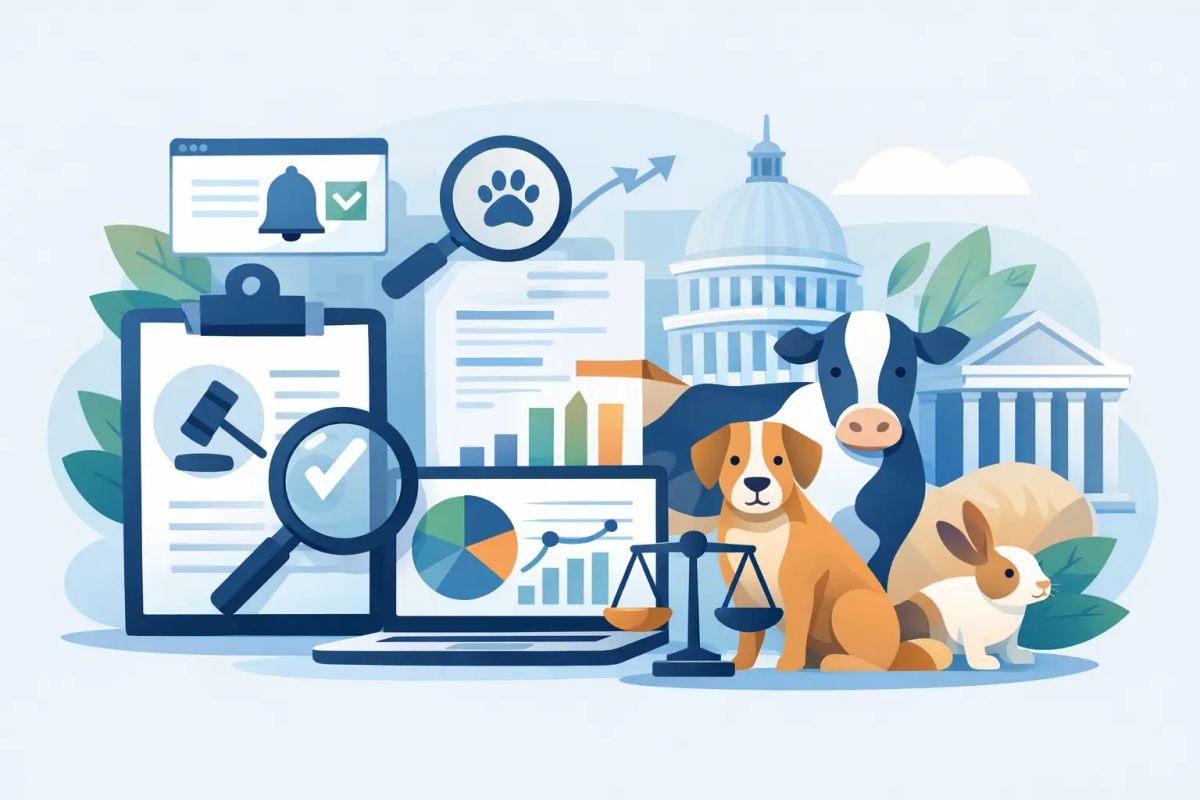
A bill can be introduced with strong language, public support, and a sponsor who appears committed to animal protection, then disappear quietly in committee. That is why residents must learn to monitor animal welfare bills effectively. Legislative reform does not move on outrage alone. It moves when the public tracks the record, recognizes critical deadlines, and applies pressure where decisions are actually made.
For animal advocates, monitoring legislation is not passive observation. It is a form of public accountability. It exposes who is advancing meaningful protections, who is weakening them, and who is allowing cruelty-related reforms to stall without explanation.
Why Animal Welfare Bills Can Change Overnight
A bill title rarely tells the whole story. A proposal described as strengthening penalties for cruelty may contain narrow definitions, broad exemptions, weak enforcement language, or no funding for the agencies expected to carry it out. Another bill may appear technical but determine whether animal control officers, prosecutors, courts, or the public can access critical information about abuse offenders.
The most consequential changes often happen after introduction. Committee amendments can remove reporting requirements, reduce penalties, alter deadlines, or replace mandatory action with discretionary language. A single word change, such as replacing "shall" with "may," can turn a required safeguard into an optional one.
This is especially relevant when legislation addresses animal abuse registries, offender restrictions, seizure authority, veterinary care costs, cross-reporting, or enforcement standards. These policies affect whether cruelty is identified, documented, prosecuted, and prevented from recurring. Advocates should not judge a bill by its press release or its original version alone.
How to Monitor Animal Welfare Bills Effectively
Start by identifying the specific policy areas that require attention. A focused watchlist is more useful than attempting to follow every bill that mentions animals. Track proposals involving cruelty penalties, animal fighting, neglect standards, tethering, commercial breeding, shelter oversight, mandatory reporting, restitution, offender registries, and agency enforcement authority.
For each bill, record the bill number, short title, primary sponsor, current version, committee assignment, hearing dates, votes, amendments, and stated deadline. Keep the information in one shared document or spreadsheet so advocates can see changes quickly and avoid relying on scattered social media posts.
In Nevada, the legislative session moves quickly, and deadlines can determine a bill's fate before many residents know it exists. Committee passage deadlines, first-house deadlines, and final adjournment dates matter because a bill that misses one may be effectively dead for the session. Some measures receive exemptions, particularly those involving appropriations or government operations, but advocates should never assume a stalled bill is still alive without checking its official status.
Set alerts for bill numbers, sponsor names, committee agendas, and key policy terms. Alerts are helpful, but they do not replace direct review. Legislative tracking tools may show that a bill was "amended," "heard," or "passed," but those labels do not explain whether the measure became stronger or weaker.
Read the Text, Not Just the Talking Points
When a new bill or amendment is posted, compare it against the previous version. Focus on what the proposal requires, who must comply, who is responsible for enforcement, and what happens when the law is ignored.
Ask direct questions. Does the bill create a real duty or merely encourage action? Does it name the agency that must enforce it? Does it provide funding, staff capacity, or a reporting process? Are there loopholes that would allow repeat offenders or negligent institutions to escape accountability? Does it give the public meaningful visibility into outcomes?
Fiscal notes deserve attention as well. A fiscal note explains the anticipated cost or impact on government agencies. Opponents sometimes use cost concerns to weaken or delay reforms, and supporters should be prepared to address those arguments honestly. A policy without implementation resources can become an empty promise. At the same time, a claimed cost should not be accepted without scrutiny when the public cost of unaddressed cruelty is already high.
Testimony from agencies and stakeholders can reveal practical concerns that bill text does not show. Animal control departments may identify training needs. Prosecutors may explain evidentiary barriers. Shelters and veterinarians may raise questions about custody, treatment costs, or reporting. These concerns should inform stronger legislation, not become excuses for doing nothing.
Follow the Committee, Not Only the Floor Vote
Most bills are decided long before a final vote in the full legislature. Committee chairs control agendas. Committee members question sponsors, hear testimony, vote on amendments, and decide whether a bill advances. If advocates only pay attention when a measure reaches the floor, they may have missed the most important opportunity to influence it.
Monitor committee agendas closely. Once a hearing is posted, read the latest bill version, prepare concise testimony, and submit comments before the stated deadline. Personal stories can be powerful, but testimony is most effective when it connects lived experience to a clear policy request. Explain what the bill changes, why the change matters, and what lawmakers should do.
For example, instead of saying only that animal cruelty is heartbreaking, identify the enforcement gap: a repeat offender was able to obtain more animals, a court order lacked follow-up, an agency could not access necessary information, or a cruelty case was treated as isolated when it indicated a continuing public safety risk. Then ask for the specific provision needed to close that gap.
Public testimony should be factual, respectful, and firm. Lawmakers need to hear that animal protection is a public-interest issue tied to community safety, responsible governance, and confidence in the justice system. Cruelty does not become less serious because the victim cannot speak in court.
Turn Information Into Timely Action
Monitoring becomes advocacy when information reaches the people who can act on it. When a bill is scheduled for a hearing, notify supporters with the exact action needed: submit testimony, contact committee members, attend the hearing, or share a concise factual update. Vague calls to "raise awareness" are rarely enough.
Messages should be targeted. A committee member needs a different message than a bill sponsor, a local reporter, or a general audience. Thank lawmakers publicly when they take a clear position for stronger protections. Challenge weak amendments and unexplained delays with equal clarity. Elected officials should know that the public is watching both their votes and their inaction.
Do not amplify unverified claims about a bill's status or content. Incorrect information wastes advocates' time and can damage credibility at the precise moment a coalition needs to be taken seriously. Confirm the current version, meeting details, and vote record before asking others to act.
A coordinated response is often more effective than a large but disorganized one. A smaller group that submits accurate testimony before a deadline, contacts the correct committee, and follows up after a vote can influence the record more than hundreds of untimed messages.
Preserve the Record After the Session
A bill's failure or passage is not the end of the work. Save vote records, amendments, testimony, fiscal notes, and public statements. This information shows which lawmakers supported accountability, which agencies raised implementation concerns, and which policy weaknesses remain unresolved.
If a bill passes, monitor implementation. Ask whether required rules were adopted, whether agencies received guidance, whether reporting systems function, and whether the public can see meaningful results. If a bill fails, identify why. It may need stronger language, broader support, better fiscal planning, or earlier public engagement in the next session.
Nevada Animal Advocates supports the principle that public safety and animal protection require more than symbolic promises. Transparent records, enforceable laws, and informed residents create the pressure needed to move reform from a talking point to a durable safeguard.
The next animal welfare bill should never be allowed to vanish because the public was told to wait, trust the process, or look away. Read the record, watch the deadlines, and make lawmakers answer for the protections they advance, weaken, or refuse to deliver.