Nevada Animal Protection Enforcement Guide
Published by Nevada Animal Advocates
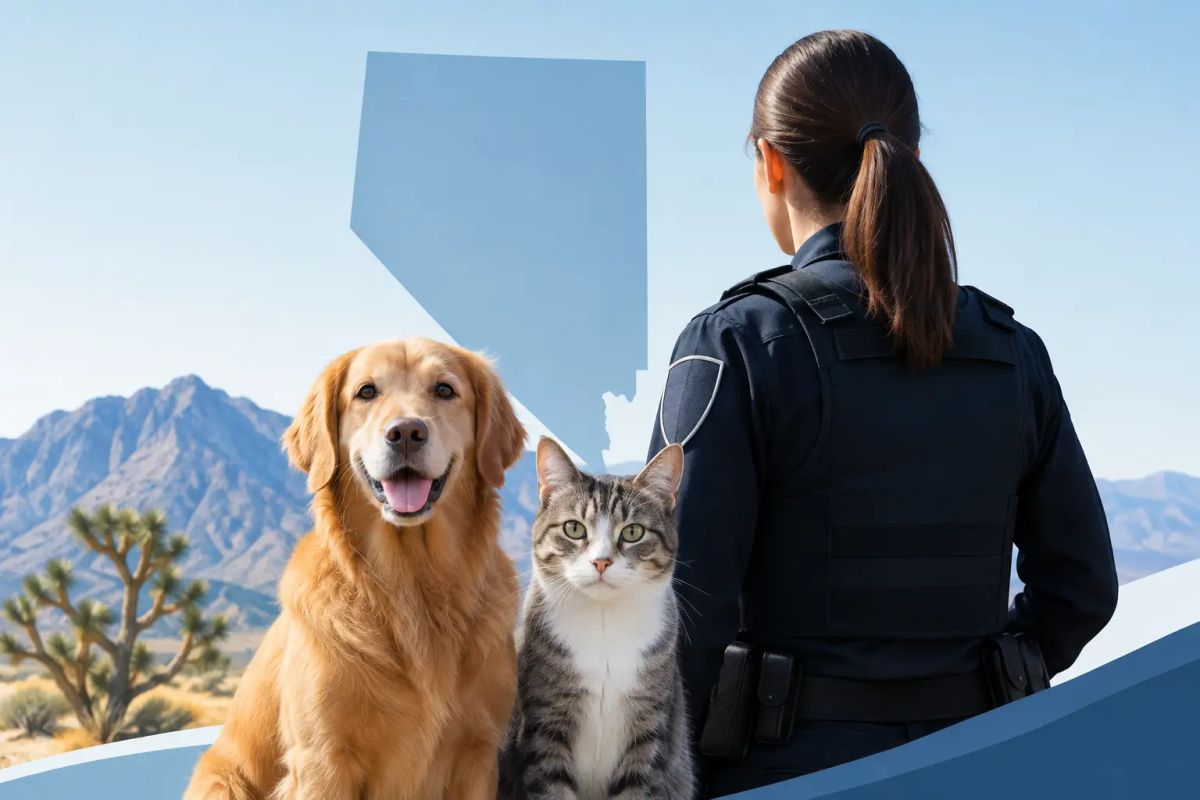
A cruelty report is not a social media post. It is the beginning of a public-safety record that can determine whether an animal is removed from danger, whether evidence is preserved, and whether an offender faces meaningful consequences. This Nevada animal protection enforcement guide explains how residents can act with urgency while protecting the integrity of an investigation.
Animal abuse is not a private dispute or a minor neighborhood concern. It is violence against a vulnerable living being, and it can signal wider risks to people and communities. Effective enforcement requires more than compassion. It requires clear reporting, documented evidence, informed public oversight, and systems that do not allow cruelty cases to disappear without accountability.
What Animal Protection Enforcement Means in Nevada
Animal protection enforcement is the process by which reports of neglect, abandonment, abuse, fighting, unlawful confinement, or other suspected cruelty are assessed and, when justified, investigated and prosecuted. Depending on the location and nature of the report, the first response may come from local animal control, a municipal agency, county authorities, law enforcement, or emergency dispatch.
The enforcement process is not identical in every Nevada jurisdiction. Agency responsibilities, staffing, ordinances, intake procedures, and available resources can differ. That variation is not an excuse for inaction. It is a reason for residents to make reports precisely, keep records, and follow up through the appropriate public channels.
A strong case generally depends on facts that can be verified: what was observed, when it occurred, where it happened, who may be involved, and what condition the animal was in. Officials must establish enough evidence to intervene lawfully and, where appropriate, support criminal charges. Public pressure cannot substitute for evidence, but it can insist that credible reports receive a serious response.
When to Call 911 and When to Make a Cruelty Report
Call 911 when there is an immediate threat to life or public safety. That includes an active assault on an animal, an animal in severe distress from heat exposure or violence, a dangerous situation involving weapons, or circumstances where confronting the person involved could put someone at risk. Do not attempt to rescue an animal from private property, force entry, or confront a suspected abuser. Those actions can escalate danger and compromise a future case.
For suspected neglect or cruelty that is not an immediate emergency, report the concern to the animal control or law enforcement agency serving the area where the animal is located. Give the dispatcher or intake staff the exact address if available, a detailed description of the animal, and the conditions you observed. If there are multiple animals, say so clearly. A report about "a dog in bad shape" is harder to act on than a report identifying a thin brown dog confined behind a specific residence without visible water on several observed dates.
Do not assume another person has already reported it. Multiple good-faith reports can establish a pattern, especially when different witnesses describe the same conditions. At the same time, do not flood emergency lines or repeatedly submit the same information without new facts. Follow-up should be focused and documented.
Document Facts Without Putting Anyone at Risk
Evidence often determines whether a report becomes an investigation or remains an unresolved complaint. If you can safely observe the situation from a lawful public location, record what you see with dates and times. Photos and videos can be useful, particularly when they show the animal's body condition, shelter, access to water, exposure to weather, obvious injuries, or the length of time an animal has been left in a vehicle or confined outdoors.
Context matters. A single image may not show whether water was temporarily out of view, whether an animal had access to shelter nearby, or whether an illness is being treated. That does not mean residents should stay silent. It means reports should distinguish observation from assumption. Describe the facts: the animal appeared unable to stand, had visible wounds, was tethered in direct sun, or had no visible food or water during repeated observations.
Keep original files whenever possible. Do not edit images in a way that changes their meaning, add misleading captions, or post identifying material that could alert a suspect before authorities can assess the scene. Write down the dates, approximate times, location, weather conditions, vehicle plates if relevant, and names of other witnesses. If you speak with an officer or agency employee, record the report number, the name or badge number provided, and the date of contact.
If you have video from a doorbell camera, business camera, or phone, preserve it promptly. Some systems overwrite footage within days. A clear timeline can be more valuable than a dramatic but isolated image.
What to Expect After You Report Cruelty
After receiving a report, an agency may conduct a welfare check, interview witnesses, inspect conditions, seek veterinary assessment, issue warnings or citations where permitted, seize animals under applicable legal procedures, or refer evidence for prosecution. Not every report results in immediate removal or criminal charges. Legal standards, proof, animal location, access to property, and agency capacity all affect what happens next.
That reality can be frustrating, especially when the suffering appears obvious. Yet a case built carelessly can fail. Investigators may need to document conditions over time, establish ownership or custody, obtain warrants, consult veterinarians, and preserve evidence in a form that can withstand scrutiny. The public should demand urgency, but also insist on enforcement that is thorough enough to hold up in court.
Ask for a case or incident number. If an agency cannot share details because an investigation is active, request the information that can be provided, including whether the report was received and which agency has responsibility. Keep communications professional, factual, and persistent. Public employees have a duty to respond to community concerns; abuse reports should not be dismissed because the reporting resident lacks legal training.
Nevada Animal Protection Enforcement Requires Public Accountability
A cruelty case does not end when an officer leaves the property. The public has a legitimate interest in whether allegations were investigated, whether charges were filed, whether convictions occurred, and whether court-ordered restrictions were enforced. Transparency protects animals by making patterns visible. It also reveals where policies, staffing, reporting standards, or penalties are failing.
Nevada Animal Advocates supports public-facing accountability because communities cannot prevent repeat harm if serious cruelty offenses are buried in scattered records or treated as isolated incidents. A statewide animal abuse registry can give residents, journalists, policymakers, and advocates a clearer picture of documented offenders and enforcement gaps. It is a practical tool, not a substitute for due process or competent investigation.
Accountability must be accurate. Do not identify someone publicly as an abuser based only on rumor, a neighborhood dispute, or an unverified online post. Share information with investigators, preserve your documentation, and rely on verified public records when discussing resolved cases. False accusations can damage innocent people and divert attention from animals who need help.
How Residents Can Press for Better Enforcement
Individual reporting saves animals, but sustained reform changes the conditions that allow abuse to continue. Residents can request public records where permitted, attend city council or county commission meetings, ask candidates where they stand on animal cruelty enforcement, and monitor whether local agencies publish meaningful data on complaints, investigations, citations, seizures, and case outcomes.
Questions should be direct. How many cruelty reports were received? How quickly are welfare checks conducted? What training do officers receive on animal cruelty evidence? Are repeat offenders tracked? Are prosecutors receiving complete investigative files? What happens to animals during and after a case? Agencies should be able to explain their policies and performance without hiding behind vague assurances.
Legislative reform also matters. Stronger laws are only effective when they are enforceable, funded, and paired with clear procedures. A new penalty may sound decisive, but it will not protect animals if agencies lack investigators, veterinarians, shelter capacity, or prosecutor support. The strongest policy work addresses the whole chain: reporting, response, evidence collection, charging decisions, sentencing, offender restrictions, and public transparency.
Do Not Let Cruelty Become Background Noise
Repeated exposure to cruelty stories can create helplessness. That is exactly what weak systems depend on: the belief that nothing will happen, so no one should bother reporting. Every accurate report, preserved photo, case number, records request, and demand for public answers pushes against that failure.
Act carefully. Report promptly. Keep facts straight. Refuse to treat animal abuse as ordinary or inevitable. Animals cannot document the harm done to them or demand an explanation from the institutions charged with protecting them. Nevada residents can, and they should.