What a Pet Abuser Background Check Can Reveal
Published by Nevada Animal Advocates
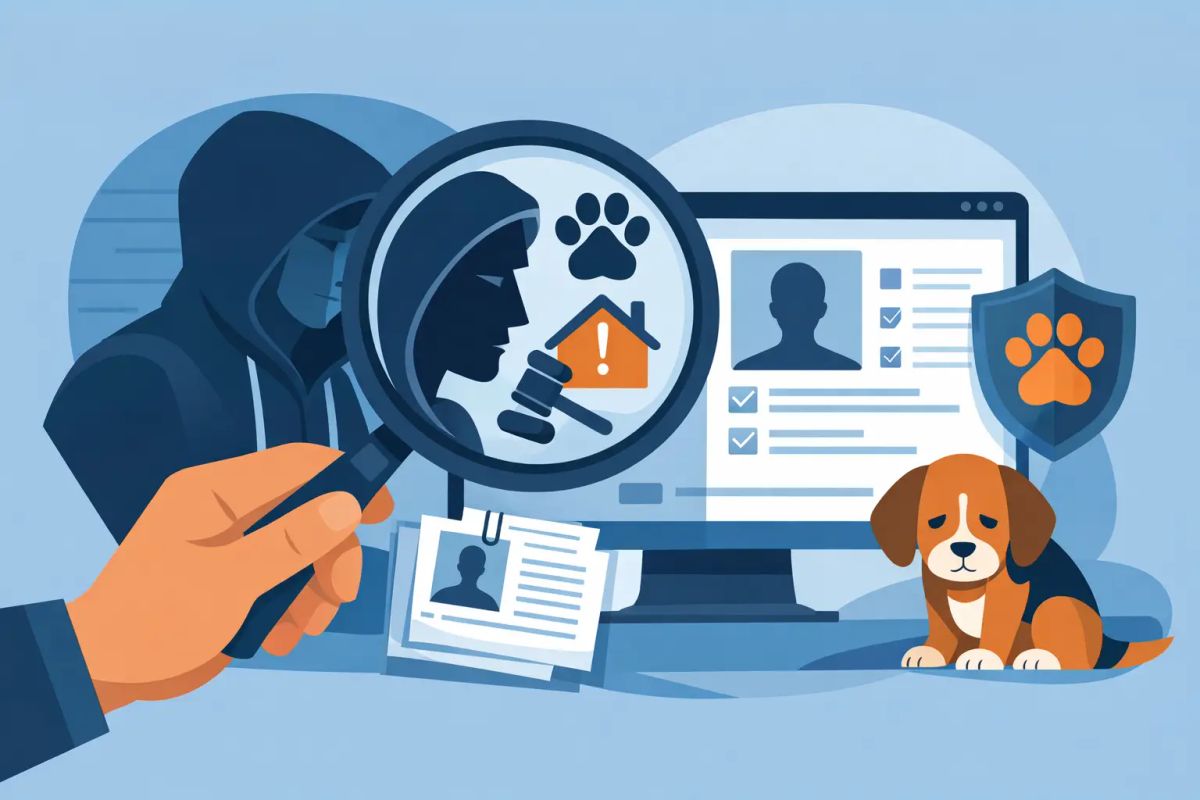
Handing an animal to the wrong person can end in neglect, violence, or disappearance from public view. That is why a pet abuser background check matters. It is not paranoia, and it is not overreach. It is a basic safeguard for rescues, shelters, landlords, breeders, pet sitters, and anyone placing an animal in another person’s care.
Animal abuse rarely exists in a vacuum. When someone has a history of cruelty, that history is relevant to future access to animals. Communities already accept background screening for jobs, housing, and caregiving roles because past conduct can signal risk. The same principle applies here. If a person has harmed animals before, the public has a legitimate interest in knowing that before another animal is put in danger.
What a pet abuser background check actually means
A pet abuser background check is not one single database that magically answers every question. In practice, it means reviewing available records that may show animal cruelty convictions, related criminal charges, court outcomes, and in some cases public registry information where state or local law allows it.
That distinction matters. Many people assume a simple search will produce a complete yes-or-no answer. Usually it will not. The quality of a background check depends on what records exist, whether they are public, how recently they were updated, and whether agencies report them consistently. A person with a documented cruelty conviction may appear clearly in one system and not at all in another.
This is one reason public animal abuse registries matter. They do not replace law enforcement or the courts, but they create visibility where fragmented records often fail the public. Transparency is not a punishment added after the fact. It is a practical tool for preventing repeat harm.
Why ordinary screening is often not enough
A standard criminal background check may miss animal cruelty for several reasons. First, cruelty charges are not always labeled in ways that are easy for a layperson to identify. They may be filed under local ordinance violations, reduced charges, or broader criminal categories that do not immediately signal abuse.
Second, not every check searches every court. Some private screening tools focus on major felony records and skip local courts where animal cruelty cases may actually be handled. Third, enforcement itself is uneven. Weak reporting, plea deals, and inconsistent prosecution can all reduce visibility.
That is the larger problem. Animals are often treated as less urgent victims, which means the public record can be thinner than the conduct deserves. A weak record does not always mean a low-risk person. Sometimes it means a weak system.
What records can help identify risk
The strongest pet abuser background check usually pulls from several sources, not just one. Criminal court records can show convictions, pending cases, plea agreements, and sentencing outcomes involving animal cruelty, neglect, torture, abandonment, or animal fighting.
Public registry records, where they exist, are especially useful because they are designed around the specific issue of animal abuse rather than general criminal history. Local news archives can sometimes fill in gaps, especially in serious cases that received public attention. Civil court filings may also matter in limited cases, such as disputes involving hoarding conditions or property-related abuse allegations.
Shelters, rescues, and private rehomers also rely on reference checks, veterinary history, landlord confirmation, and prior surrender records. These are not substitutes for official records, but they can expose patterns that formal databases miss. If someone has repeatedly acquired animals and quickly given them away, failed to provide veterinary care, or been barred by a prior rescue, that matters.
Still, there is a line between informed screening and rumor. Allegations alone are not convictions. Public accountability has to be grounded in facts, records, and documented conduct.
Who should use a pet abuser background check
Anyone transferring custody of an animal should think seriously about screening. Rescues and shelters are the most obvious users because they place vulnerable animals with the public every day. But they are not the only ones.
Private individuals rehoming a pet after a death, relocation, or financial crisis should use screening too. Landlords and property managers may need procedures when evaluating requests involving high-risk animal ownership situations. Foster coordinators, transport volunteers, breeders, boarding providers, and pet sitting businesses all make decisions that affect animal safety.
The standard should be simple: if you are giving someone access to an animal, you have a duty to ask whether that access is safe.
How to approach screening without cutting corners
A serious screening process starts with identity verification. You need the correct legal name and enough information to avoid confusing one person with another. From there, the review should include available court records, registry searches where applicable, and direct questions about prior animal ownership and any cruelty-related history.
The conversation matters as much as the search. Someone who becomes evasive, hostile, or inconsistent when asked about prior animals is giving you information, even if no official record appears right away. So is a person who cannot explain repeated pet turnover, untreated injuries, or prior municipal complaints.
At the same time, screening must be consistent. If an organization checks one applicant thoroughly but waves another through because they seem friendly, that is not a real safety policy. It is guesswork. Animals pay for guesswork.
The limits of any pet abuser background check
No honest advocate should claim that screening catches every danger. Some abusers have never been charged. Some cases are pled down. Some jurisdictions keep records difficult to access. Some offenders move across county or state lines and exploit those gaps.
That does not make screening pointless. It makes reform necessary.
When records are scattered, outdated, or hidden, the burden falls on shelters, advocates, and private citizens to patch together the truth. That is backwards. The public should not have to perform investigative work just to avoid placing a dog or cat with a known abuser. Stronger reporting laws, better interagency coordination, and public registries are not bureaucratic extras. They are basic public protection measures.
Why registries and policy reform matter
A statewide registry creates something that ordinary background systems often do not: a direct, searchable accountability tool tied to animal cruelty offenses. That has value for adopters and rehomers, but it also has broader civic value. Journalists can identify patterns. Policymakers can see where enforcement breaks down. Communities can track whether cruelty is being treated seriously or buried in inconsistent local systems.
For an organization like Nevada Animal Advocates, this is not just about information. It is about consequence. Abuse should not disappear behind fragmented paperwork and low public awareness. If someone has been convicted of harming animals, that history should not be hard to find when another animal’s safety is at stake.
There are fair-process concerns to handle carefully, and they should be handled carefully. Records should be accurate. Inclusion standards should be clear. Appeals and correction mechanisms matter. But none of that justifies secrecy. Accuracy and transparency are compatible. In fact, they depend on each other.
A stronger public standard for animal safety
The bigger question is not whether a pet abuser background check is too aggressive. The bigger question is why meaningful screening is still treated as optional when the stakes are this high.
If we accept background checks for child care, elder care, and other vulnerable populations, then we should also accept serious scrutiny before placing animals with strangers. Animals cannot report abuse, explain fear, or leave dangerous homes on their own. That reality demands a higher standard of prevention, not a lower one.
A good screening process will not solve every failure in the system. But it can stop some of the most preventable ones. It can force people to answer for documented cruelty. It can help organizations make harder, better decisions. And it can push the public conversation where it belongs - toward accountability instead of excuses.
If you are placing an animal, approving access, or shaping policy, treat a pet abuser background check as a minimum safeguard, not an extraordinary step. When the system leaves gaps, the answer is not less scrutiny. It is the political will to build stronger protection before another animal pays the price.