
Where to Report Animal Neglect Fast
Published by Nevada Animal Advocates

A dog tied outside in extreme heat, horses with visible ribs, a cat left without water for days - these are not private matters. They are warning signs of neglect, and the public has every right to act. If you are trying to figure out where to report animal neglect, the answer depends on how immediate the danger is, which agency has authority, and whether the case involves a pet, livestock, or a commercial operation.
The most urgent rule is simple. If an animal is in immediate danger, call local law enforcement right away, usuallt 9-1-1 in your local community. That includes situations involving severe injury, animals trapped without shelter in extreme weather, active violence, or any condition that could become fatal within hours. Tell the dispatcher that the cruelty is happening now and insist they dispatch an officer. Animal neglect is often treated as a lower-level complaint until someone makes clear that delay could cost an animal its life.
Where to report animal neglect
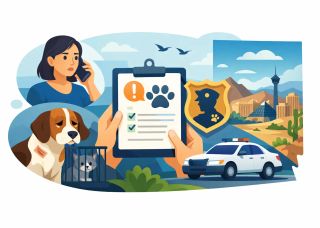
Nevada Animal Advocates has a page with contact information on where to report animal cruelty. It has reporting information broken down by county. In most communities, animal neglect reports go to one of three places: local animal control, local law enforcement, or a humane law enforcement unit where one exists. The right contact is not always the same agency, and that confusion is one reason abuse gets missed or delayed.
Animal control is often the first stop for neglected dogs, cats, and other companion animals. These agencies typically handle welfare checks, ordinance enforcement, impoundment, and documentation of unsafe conditions. If the issue involves lack of food, water, shelter, sanitation, or veterinary care, animal control may have direct authority to investigate.
Law enforcement should be contacted when conditions are severe, criminal conduct is suspected, or the animal is in immediate danger. In some jurisdictions, police or sheriff's offices are the agencies with actual cruelty enforcement power, while animal control handles only code violations. That distinction matters. A thin dog in a dirty yard may be treated as a nuisance issue by one office and a criminal neglect case by another.
Humane societies and SPCAs can be helpful, but people often overestimate their legal authority. Some have investigators with formal enforcement powers. Many do not. They may still guide you to the correct agency, document patterns, or apply public pressure, but they are not always the office that can seize an animal or file charges. If you are in Nevada, visit the report animal cruelty page to get your local law enforcement contact information.
What counts as animal neglect
Neglect is not limited to dramatic cases. It can include chronic deprivation that happens slowly and in plain sight. Common examples include failure to provide clean water, adequate food, necessary veterinary treatment, safe shelter, sanitary living conditions, or protection from dangerous weather.
But this is where reporting gets complicated. Not every situation that looks upsetting is legally actionable on the first call. A dog that appears skinny may be elderly or ill and under treatment. A muddy yard may not be illegal by itself. On the other hand, a pattern of untreated wounds, parasite infestation, feces buildup, exposed bones, collapsed shade structures, or repeated confinement without water can establish neglect quickly.
That is why facts matter more than assumptions. Report what you observed, not what you think the owner intended. Agencies need dates, conditions, location details, and visible signs of harm. Strong reports lead to stronger enforcement.
What to do before you make the report
If it is safe, document what you saw. Photos and video can help, especially when conditions may change before an officer arrives. Record the address, date, time, weather, and a clear description of the animal. Note whether food or water was visible, whether shelter was usable, whether the animal could stand or move normally, and whether there were signs of injury or distress.
Do not trespass to gather evidence. Do not put yourself at risk by confronting the owner if the situation feels volatile. And do not wait for perfect proof. Members of the public are not required to build a prosecutable case before reporting suspected neglect. Your job is to alert the proper authority. Their job is to investigate.
If the neglect appears ongoing, keep a log. Repeated observations over several days can be critical in proving chronic deprivation rather than a one-time lapse. This is especially true in cases involving tethering, inadequate shelter, repeated exposure to heat or cold, and visible physical decline.
How to make a report that gets traction
A vague complaint is easy to dismiss. A detailed complaint is harder to ignore.
When you call or file a report, be direct. Identify the location first. Then state the most urgent facts: how many animals are involved, what visible conditions you observed, how long the issue appears to have been happening, and why the situation poses a welfare risk. If there is immediate danger, say that plainly.
It also helps to ask practical questions. Ask for a case number if one is available. Ask which agency has enforcement authority. Ask whether an officer will respond in person. If the office says the matter belongs elsewhere, ask for the exact agency name and contact information instead of starting your search over from scratch.
There is no guarantee that the first report will produce immediate action. That is a hard truth in animal welfare enforcement. Staffing is limited, legal thresholds vary, and some jurisdictions still fail to treat neglect with the urgency it deserves. But a documented report creates a record, and records matter. They can establish patterns, justify follow-up, and support stronger intervention later.
When the first agency does nothing
This is one of the most common and most frustrating outcomes. A caller reports obvious suffering and gets brushed off, redirected, or told there is nothing that can be done. Sometimes that reflects a real legal limit. Sometimes it reflects poor enforcement.
If the first agency refuses to act, escalate with discipline. Contact the supervising officer, the sheriff's office, or the city or county department overseeing animal services. If the issue involves repeated inaction, document every call, including dates, names, and what you were told. Public accountability often begins with a paper trail.
This is also where advocacy organizations, journalists, and policymakers can become relevant. Chronic enforcement failures are not just administrative problems. They are public safety and justice problems. A system that ignores animal neglect teaches offenders that there are no meaningful consequences.
Nevada Animal Advocates has built its work around that reality: abuse prevention requires more than sympathy. It requires visibility, pressure, and reform.
Special cases: livestock, hoarding, and commercial settings
Not every neglect case involves a single dog behind a fence. Reports involving horses, cattle, backyard breeding operations, pet stores, boarding facilities, or rescue hoarding may involve different agencies or overlapping authority.
Livestock neglect may fall under a county sheriff, state agriculture department, or animal control, depending on the jurisdiction. Hoarding cases often involve public health concerns, code enforcement, and mental health issues in addition to cruelty concerns. Commercial operations may trigger licensing, inspection, zoning, or consumer protection questions alongside animal welfare issues.
These cases can move more slowly because they are complex, but they should still be reported immediately. Complexity is not a reason for delay. It is a reason for better coordination.
Anonymous reports, follow-up, and what to expect
Many agencies allow anonymous reports, but anonymity can limit follow-up. If investigators need clarification and cannot reach you, the complaint may stall. If you are safe sharing your information, doing so can strengthen the report.
You should also prepare for the possibility that outcomes will not be visible right away. Officers may educate an owner before seizing an animal. They may need repeated inspections. Prosecutors may decline charges even when conditions appear disturbing. That does not mean the report was pointless. It means animal cruelty enforcement is uneven, and persistent reporting is often what pushes a case forward.
If you choose to follow up, do it firmly and professionally. Ask whether the complaint was assigned, whether contact was made, and whether additional evidence would be useful. Persistence is not harassment when an animal's welfare is at stake.
Every neglected animal depends on someone deciding that silence is unacceptable. If you witness suffering, report it quickly, document it carefully, and keep pressing until the right authority takes responsibility. Animals do not need bystanders. They need people willing to act.