
How to Report Animal Abuse in Nevada
Published by Nevada Animal Advocates
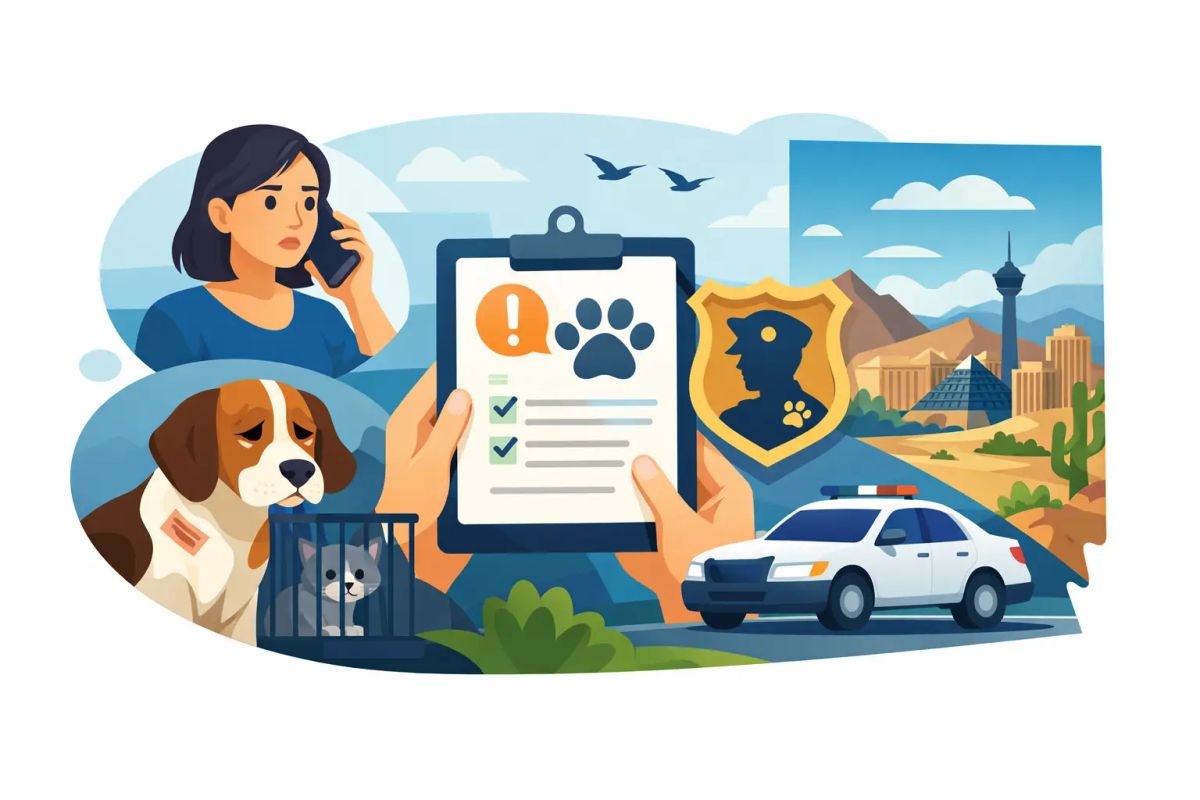
A dog left for days without water. Horses with visible ribs. A neighbor hitting an animal behind a fence and assuming nobody will speak up. These cases do not fix themselves. If you need to know how to report animal abuse in Nevada, the most important step is this: act quickly, document what you can safely observe, and report to the agency with the legal power to intervene.
Animal cruelty is not a private matter. It is a public safety issue, a law enforcement issue, and a test of whether a community is willing to tolerate abuse in plain sight. Reporting matters because delay gives neglect time to become irreversible and gives offenders room to continue.
How to report animal abuse in Nevada
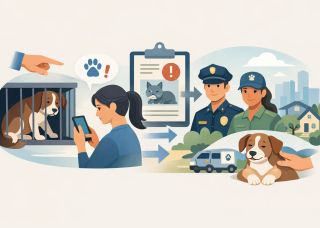
Start with the facts you can confirm. Report what you saw, when you saw it, where it happened, and whether the animal appears to be in immediate danger. If there is an active emergency - for example, an animal being violently attacked, trapped in extreme heat, or in obvious life-threatening distress - call 911 or your local law enforcement agency right away.
If the situation is not an immediate emergency but still appears abusive or severely neglectful, contact the animal control department, police department, or sheriff's office with jurisdiction where the animal is located. In Nevada, enforcement can vary by city and county. That matters. The right agency is usually the one covering the exact location of the incident, not necessarily the one closest to you.
When you make the report, be direct and specific. Describe observable conditions instead of guesses. Saying "the dog has had no visible water for two days, is confined in direct sun, and appears lethargic" is stronger than saying "I think the owner is cruel." Investigators need concrete facts they can act on.
What counts as animal abuse or neglect
People often hesitate because they are unsure whether a case is "bad enough." That hesitation protects abusers. You do not need to prove a criminal case before making a report. You need a reasonable basis for concern.
Animal abuse can include physical violence, torture, abandonment, intentional deprivation, dog fighting, cockfighting, or any deliberate act that causes suffering. Neglect may include lack of food, lack of potable water, dangerous shelter conditions, untreated injuries, severe parasite infestation, prolonged chaining in unsafe conditions, or confinement in extreme temperatures.
Some cases fall into a gray area. A thin animal may be elderly or under veterinary care. A messy yard is not automatically criminal neglect. But visible wounds, repeated deprivation, untreated suffering, or a pattern of dangerous conditions should not be brushed aside. If the facts raise serious concern, report them and let investigators evaluate the case.
When the situation is urgent
Urgency changes the reporting path. If an animal appears to be dying, has been violently attacked, or is facing immediate danger from heat, cold, starvation, or ongoing assault, treat it as an emergency. Time matters in cruelty cases because evidence can disappear and the animal's condition can rapidly worsen.
Do not put yourself at risk to intervene physically unless there is no other option and you can do so safely and lawfully. In many situations, the fastest and most effective action is an immediate call to emergency responders paired with clear details about the location and the animal's condition.
When the abuse is ongoing but not immediate
Chronic neglect is still serious, even when it does not look dramatic in a single moment. Repeated lack of water, worsening body condition, unsanitary confinement, and untreated illness often require documentation over time. In these cases, consistent reporting can make the difference between an ignored complaint and an actionable investigation.
If you have observed a pattern, say so. Tell the agency this is not an isolated incident and provide dates if possible. Repeated complaints from multiple witnesses can establish that the problem is systemic, not accidental.
What evidence helps your report
A strong report is built on firsthand observations. Photos and videos can help, but only if they are taken lawfully and safely. Never trespass, break locks, enter private property without permission, or put yourself in danger to gather evidence.
Useful details include the exact address or nearest location, date and time, description of the animal, number of animals involved, weather conditions, visible injuries, access to food and water, shelter conditions, and the identity of the owner or handler if known. If there were witnesses, include their names and contact information if they agree.
Keep your language factual. Avoid exaggeration. Investigators and prosecutors are more likely to rely on evidence that reads as disciplined and credible. If you are unsure about something, say you are unsure.
What to say when you file the report
You do not need legal training. You need clarity. State that you want to report suspected animal cruelty or neglect. Then give the location, describe the animal, and explain what you observed.
It often helps to organize your report in this order: what happened, where it happened, when you saw it, whether it is ongoing, and why you believe the animal is currently at risk. Ask for an incident number or case number if one is available. That gives you a reference point if you need to follow up.
If you are reporting by voicemail or online form, be just as precise. Agencies receive vague complaints every day. Specific reports are harder to ignore.
What happens after you report
Many people expect an immediate seizure or arrest. Sometimes that happens. Often it does not. Animal cruelty enforcement can involve investigation, site visits, interviews, veterinary review, warnings, citations, warrants, or criminal referrals. The process depends on the evidence, the agency, and whether officials are willing to act decisively.
This is where persistence matters. A single report may start a file. Repeated reports, updated evidence, and follow-up requests can show that the issue is ongoing and serious. If the case is not treated with urgency, continue documenting and continue reporting through appropriate channels.
There is also a hard truth here: enforcement is uneven. Some jurisdictions respond quickly. Others delay, minimize, or pass responsibility. Public accountability matters because weak enforcement does not just fail one animal. It signals to abusers that the system is optional.
If authorities do not act
If you reported credible abuse and nothing appears to happen, do not assume the case was resolved. Follow up and ask whether the complaint was received, whether it was assigned, and whether additional information is needed. Be calm, factual, and persistent.
If one agency says it is not their jurisdiction, ask which agency is. If a local response appears inadequate, document that too. Journalists, policymakers, advocates, and the public have every reason to examine patterns of non-enforcement when cruelty complaints disappear into bureaucracy.
This is also why public-facing accountability tools matter. Nevada Animal Advocates has pushed for stronger transparency and systemic consequences because abuse thrives where records are hidden, enforcement is inconsistent, and offenders operate without scrutiny.
Common mistakes that weaken a report
The first mistake is waiting too long because you are not fully sure. Reasonable concern is enough to report. The second is confronting the owner in a way that escalates risk, tips them off, or causes evidence to disappear. The third is making a report so vague that it cannot be investigated.
Another common problem is assuming animal control will automatically share details with you. They may not, especially during an active investigation. That can be frustrating, but it does not mean you should stop documenting what you continue to observe.
Finally, do not post accusations casually online instead of reporting through official channels. Public awareness has a place, but it is not a substitute for a documented report to agencies with legal authority.
Reporting is not overreacting
People excuse cruelty all the time. They call it a misunderstanding, a bad day, a rural norm, a property issue, or nobody else's business. That mindset protects harm. Animals suffer most when communities normalize visible neglect and wait for someone else to take responsibility.
Knowing how to report animal abuse in Nevada is not just about procedure. It is about refusing silence. A credible report creates a record, preserves a chance for intervention, and tells every agency involved that the public is watching.
If you witness abuse or serious neglect, trust the urgency of what you saw, document it carefully, and report it where it can trigger action. Animals cannot file complaints on their own. That burden falls to the people willing to act when it counts.