
Who Enforces Animal Cruelty Laws in Nevada?
Published by Nevada Animal Advocates
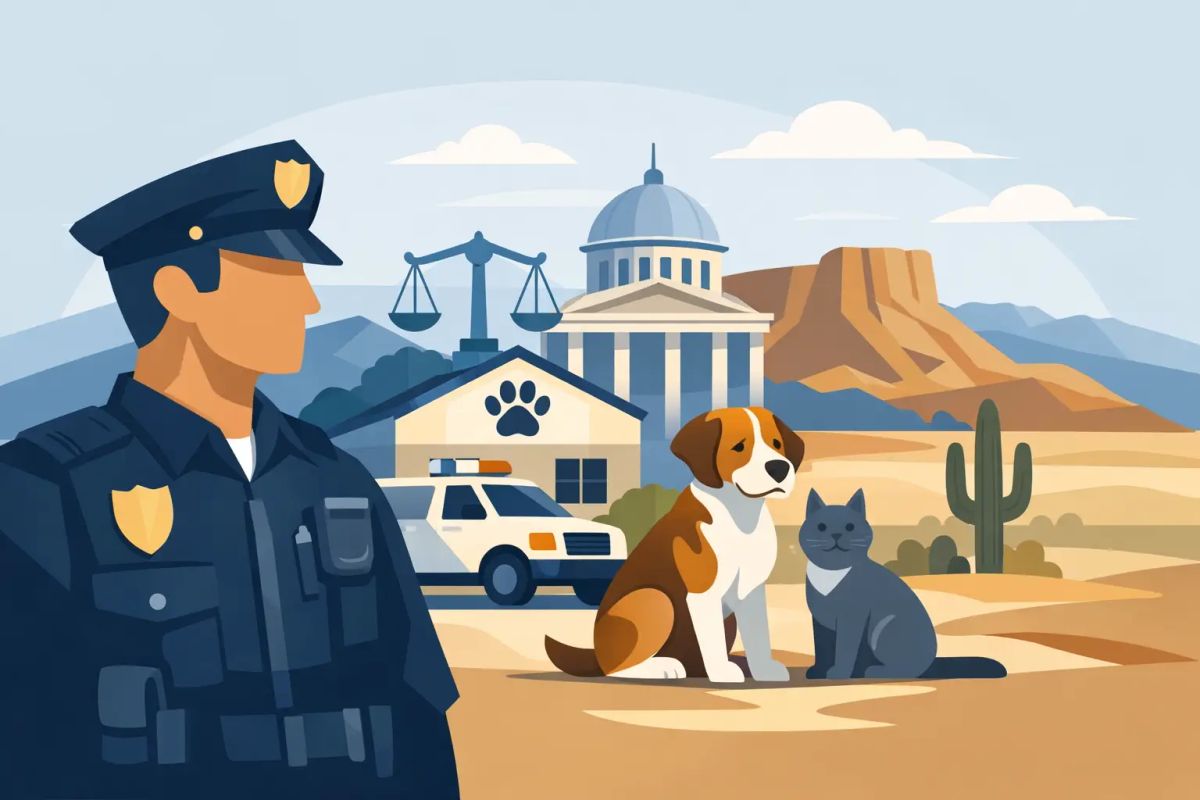
A frightened dog left without water, a cat found injured after repeated violence, animals confined in dangerous conditions - these cases do not enforce themselves. When people ask who enforces animal cruelty laws, the honest answer is that accountability depends on a chain of public institutions doing their jobs, from the first report through prosecution and sentencing.
That chain can fail at any point. A report may not be taken seriously. Evidence may not be collected. A case may be charged too weakly, dismissed, or resolved without consequences that protect animals and the public. Strong animal protection requires more than laws on paper. It requires trained responders, committed prosecutors, informed courts, transparent records, and residents willing to speak up.
Who Enforces Animal Cruelty Laws?
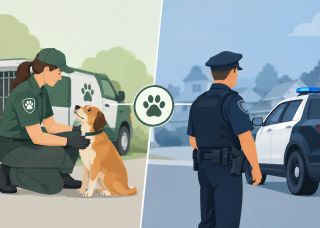
Animal cruelty enforcement is shared among local law enforcement, animal control agencies, prosecutors, courts, and, in certain circumstances, state or federal authorities. Each has a different responsibility. No single office can carry a cruelty case from discovery to conviction alone.
In Nevada, the precise agency that responds often depends on where the abuse occurs and the nature of the complaint. A city animal control department may investigate neglect in one community, while a county sheriff's office or municipal police department handles another. When cruelty is tied to other crimes, such as domestic violence, firearms offenses, drug activity, or organized animal fighting, multiple agencies may become involved.
This division of responsibility is not an excuse for delay or inaction. It is a reason for agencies to coordinate, clearly explain their roles, and treat animal abuse as the public safety issue it is.
Animal Control and Humane Enforcement Officers
Animal control officers are often the first officials to see alleged neglect or abuse. They may respond to complaints involving lack of food, water, shelter, medical care, sanitation, dangerous confinement, hoarding, abandonment, or animals kept in extreme weather.
Their work can include documenting conditions, photographing injuries and living areas, speaking with owners and witnesses, checking licensing records, issuing notices, and arranging veterinary examinations. Depending on their authority and local rules, officers may issue citations, seek warrants, remove animals from immediate danger, or refer cases to law enforcement and prosecutors.
Animal control is not merely a service for loose pets and nuisance complaints. In a serious cruelty case, early documentation can determine whether an offender is held accountable. Poor photographs, incomplete reports, missed witnesses, or a failure to recognize escalating neglect can weaken a case before it reaches a courtroom.
Police and Sheriff's Offices
Police officers and sheriff's deputies enforce criminal laws, including animal cruelty statutes. They may respond when abuse is happening now, when an animal is in immediate danger, when violence is reported alongside animal abuse, or when an investigation requires criminal authority.
Officers can secure scenes, interview suspects, collect physical and digital evidence, request search warrants, make arrests when legally justified, and coordinate with animal control and veterinarians. In rural areas, sheriff's offices may be especially central because they often cover large geographic regions where specialized animal enforcement staff are limited.
Animal cruelty should never be dismissed as a private dispute or a minor property concern. Research and real-world case patterns have repeatedly shown that violence toward animals can coexist with violence toward people. Taking reports seriously can protect animals while also identifying broader risks within a household or community.
Prosecutors Decide Whether a Case Moves Forward
A law enforcement investigation does not automatically become a criminal case. Prosecutors, including district attorneys and city attorneys where applicable, review the evidence and determine what charges can be supported. They decide whether to file a case, what level of offense is appropriate, whether to seek additional conditions, and how to proceed in court.
This is one of the most consequential points in the process. A strong investigation can still lead nowhere if charging decisions minimize severe conduct or if the case is not given the attention it deserves. Conversely, prosecutors who understand animal cruelty cases can present the evidence in a way that demonstrates the full harm involved, including veterinary findings, repeated patterns of neglect, witness testimony, prior incidents, and the cost of care for seized animals.
Prosecutors may seek penalties such as fines, incarceration, restitution, counseling or evaluation requirements, probation conditions, and restrictions on owning or possessing animals. The available penalties depend on the facts, the specific law violated, the offender's history, and the charge filed.
Courts Impose Consequences and Protective Conditions
Judges and courts do not investigate cruelty, but they decide critical legal questions and impose outcomes after a plea, trial, or other resolution. Courts may rule on warrants, evidence, custody of seized animals, sentencing, restitution, and conditions that limit future contact with animals.
A meaningful court outcome must do more than close a file. It should recognize the seriousness of the conduct, provide enforceable consequences, and reduce the chance of future harm. In appropriate cases, restrictions on animal ownership or possession are essential. Without clear restrictions and follow-through, a person who has harmed animals may simply acquire new ones.
Court records also matter for public accountability. When outcomes are difficult for the public to find or understand, communities cannot easily assess whether cruelty laws are being enforced consistently. Transparency helps identify gaps in enforcement and supports policy reforms grounded in facts rather than assurances.
The Role of Veterinarians, Witnesses, and Residents
Veterinarians are not criminal enforcement agencies, but their expertise can be decisive. Medical records, injury assessments, body-condition evaluations, treatment history, and professional testimony can help establish whether an animal's suffering resulted from neglect, intentional harm, or another cause. Veterinary evidence often gives prosecutors and courts the clarity needed to explain cruelty beyond a disturbing image or emotional account.
Witnesses matter just as much. Neighbors, family members, delivery workers, former tenants, and others may have seen repeated abuse, heard distress, noticed an animal's deteriorating condition, or observed who had control over the animal. A single report can trigger an investigation. A clear pattern of reports can reveal chronic cruelty that might otherwise be treated as an isolated incident.
Residents are not expected to conduct their own investigations or put themselves at risk. They are expected to report credible concerns promptly and provide accurate details. If an animal is in immediate danger or violence is occurring, contact emergency services. For non-emergency concerns, report the situation to the local animal control agency or law enforcement agency with jurisdiction.
When making a report, describe what was directly observed: the location, dates and times, number and type of animals, physical condition, access to food and water, shelter conditions, visible injuries, and any threats or violence witnessed. Save lawful photographs, video, messages, or notes if they can be provided safely. Do not trespass, confront a suspected abuser, or remove an animal unless authorized to do so.
Why Enforcement Varies From Case to Case
Not every disturbing situation is legally simple. An animal may appear thin because of illness, age, or a condition requiring veterinary assessment. An owner may claim they did not know an animal was suffering. Evidence may be limited, witnesses may be reluctant, or agencies may have insufficient staffing for timely follow-up.
Those realities require competent investigation, not lowered standards. Intentional cruelty, reckless disregard, and prolonged neglect are serious conduct. Agencies should distinguish genuine uncertainty from avoidable inaction, and they should document why a case is closed, cited, referred, or escalated.
Resource limits are real, particularly in communities with understaffed animal control operations or large rural service areas. But limited resources make clear priorities more necessary, not less. Cases involving severe injury, repeated neglect, multiple animals, vulnerable victims, prior complaints, or connections to interpersonal violence deserve urgent and coordinated attention.
Enforcement Must Include Transparency
Enforcement is strongest when the public can see whether the system is working. Confidentiality rules and due process protections matter, particularly before guilt is established. But after convictions and other legally reportable outcomes, public access to reliable information can serve a legitimate safety purpose.
A statewide animal abuse registry is one tool for that accountability. It can help communities understand documented offenses, support compliance with ownership restrictions, inform policy discussions, and make it harder for serious abuse to disappear from public view. Nevada Animal Advocates supports this kind of practical transparency because animal protection cannot depend on silence, fragmented records, or public ignorance.
The goal is not public spectacle. The goal is prevention. When consequences are visible, restrictions are enforceable, and institutions are accountable for their decisions, communities are better positioned to protect animals before the next report becomes another preventable tragedy.
Every cruelty report deserves a response proportionate to the harm and risk involved. Speak with precision, document what you can safely observe, insist on follow-up, and remember that public pressure for better enforcement is not interference. It is part of how laws become real protections for animals.