Animal Seizure Procedures That Protect Animals
Published by Nevada Animal Advocates
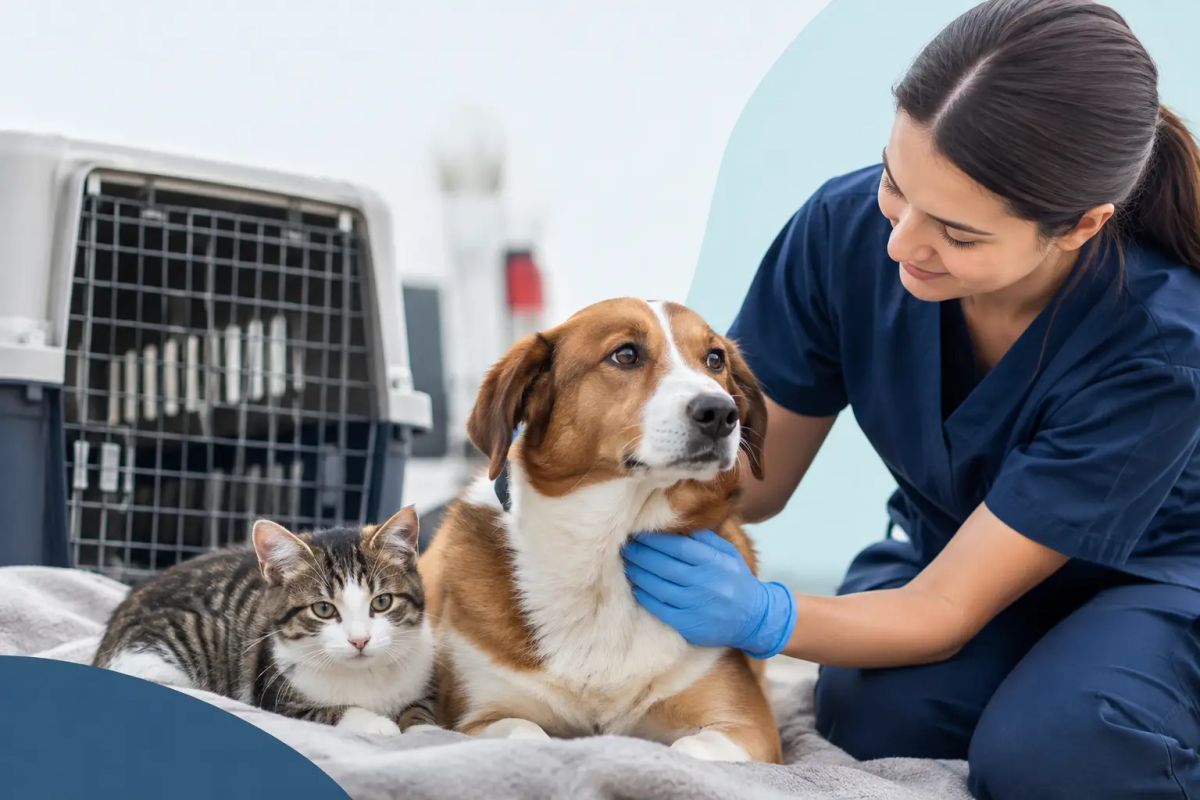
When officers enter a property where animals are starving, injured, confined in dangerous conditions, or deprived of basic care, delay can mean more suffering or death. Animal seizure procedures determine whether authorities can remove those animals safely, preserve proof of cruelty, and hold the responsible party accountable. They are not a technical afterthought. They are the line between a cruelty report that disappears and an intervention that protects living beings.
This article addresses legal animal seizure procedures in cruelty investigations, not medical seizures in pets. The details of any case depend on the facts, local policy, and applicable law. But the public should understand what a credible, lawful response to animal cruelty is supposed to require - and where weak systems fail animals.
Why Legal Animal Seizure Procedures Matter
Removing an animal from an owner is a serious government action. It can be necessary to stop immediate harm, but it must also be carried out in a way that can withstand legal scrutiny. A rushed, poorly documented seizure may give a defense attorney room to challenge the evidence. That can prolong a case, burden already overcrowded shelters, and in the worst cases place animals at risk of being returned to harmful conditions.
The answer is not hesitation when animals are suffering. The answer is preparation, training, and clear statutory authority. Law enforcement, animal control agencies, prosecutors, veterinarians, and shelters all have distinct roles. When those roles are unclear, animals can become trapped in legal limbo while the cruelty case moves slowly.
A legitimate process protects both animal welfare and due process. That balance matters because durable accountability depends on cases being investigated competently, charged appropriately, and resolved with enforceable consequences.
From a Cruelty Report to an Investigation
A report should trigger assessment, not assumptions. Concerned residents should provide accurate information: the location, number and type of animals, visible conditions, dates and times, photographs or video taken lawfully, and any immediate threats they observed. Reports should focus on facts. Statements such as "three dogs have no visible water and appear severely underweight" are more useful than speculation about a person’s motives.
Responding agencies must then determine whether the facts suggest neglect, cruelty, abandonment, unlawful confinement, or another violation. Investigators may speak with witnesses, observe the property from a lawful location, review prior complaints, and consult a veterinarian or animal control officer. Repeated reports can be significant, but each report should still be assessed on its own evidence.
Not every report will justify removing animals. A cluttered yard, an unpopular breed, or a single unverified claim is not the legal standard. The question is whether there is credible evidence of unlawful harm, deprivation, or a condition that threatens the animal’s health or safety. The public should expect agencies to take reports seriously without treating rumor as proof.
Emergency Conditions Can Require Immediate Action
There are circumstances in which waiting for ordinary legal process may put an animal in immediate danger. An animal collapsed from heat exposure, trapped without access to water, bleeding severely, or confined in a fire or disaster zone may require emergency intervention. Authorities generally need to document why immediate action was necessary and what they observed at the scene.
Emergency authority is not a shortcut for weak investigations. It exists to prevent preventable suffering when time matters. Once animals are removed, agencies still need a defensible record of the conditions that justified the action.
The Core Steps in Animal Seizure Procedures
In non-emergency situations, authorities will often seek a warrant or other court authorization before entering private property and taking animals. The exact legal process varies by jurisdiction, but the purpose is consistent: an independent judicial review of the evidence supporting the proposed seizure.
A strong warrant application does more than state that an animal appears neglected. It identifies the animals, describes the property and observed conditions, explains the basis for probable cause, and establishes why removal is necessary. Clear applications reduce ambiguity for officers and strengthen the case later.
Once authority is obtained, execution must be organized. Multi-animal cases can involve transportation, temporary housing, veterinary triage, species-specific handling, and coordination with shelters or rescue partners. An agency that removes 40 animals without a care plan has solved only the first hour of the crisis.
During the seizure, personnel should document conditions carefully through photographs, video, written observations, animal inventories, and records of where each animal is placed. They should note food and water availability, temperature, sanitation, injuries, body condition, housing, restraints, deceased animals, and any hazards present. Documentation must be factual and detailed. A vague description of "poor conditions" is far less useful than an accurate account of what officers saw, smelled, measured, and recovered.
Veterinary examinations are often central. A veterinarian can assess body condition, dehydration, untreated wounds, parasites, infectious disease, pain, malnutrition, and the likely impact of neglect. These examinations support immediate treatment, but they may also become evidence. Records must therefore be maintained with care, including identification methods, treatment notes, photographs, and transfer records.
Custody Must Not Become a Second Crisis
After removal, every animal needs traceable custody. Agencies should maintain records showing which animal was taken from which location, who handled the animal, where the animal was housed, and what care was provided. This protects evidence and prevents animals from being lost in the system.
The practical challenge is real. Shelters and animal control departments may lack space, staff, veterinary capacity, or funding for lengthy cruelty holds. Large-scale seizures can strain an entire region. Those pressures are not an excuse to leave animals in dangerous conditions. They are a policy warning: states and local governments need dedicated planning, emergency placement agreements, trained responders, and reliable funding before the next crisis occurs.
Hearings, Forfeiture, and the Cost of Delay
Seizure is usually not the final legal decision about ownership. Owners may have a right to notice and an opportunity to contest the removal, depending on the applicable law and circumstances. Courts may consider whether the seizure was justified, whether animals can safely be returned, who bears the costs of care, and whether forfeiture is appropriate.
Timely hearings are essential. Animals cannot wait months or years for a case to move forward. Extended holding periods can worsen stress, consume public resources, and delay adoption or placement for animals who need permanent homes. At the same time, moving too quickly without adequate notice and review can create legal problems that undermine the case.
This is where statutory design matters. Effective laws provide clear timelines, standards for judicial review, mechanisms to recover reasonable costs of care from responsible parties when permitted, and meaningful forfeiture options after due process. They should also address situations where an owner refuses to surrender animals but cannot or will not pay for their care.
Criminal prosecution and ownership forfeiture may be related, but they are not always identical proceedings. A case can involve separate questions about criminal guilt, custody, restitution, probation conditions, and future restrictions on possessing animals. Policymakers should resist systems that treat a cruelty conviction as the only measure of success. Protecting animals requires procedures that work before a final verdict, not only after one.
What Accountability Should Look Like
Animal seizure procedures are only as effective as the system surrounding them. An officer may remove animals from horrific conditions, yet accountability can still fail if evidence is incomplete, cases are undercharged, hearings are delayed, or courts impose consequences that do not prevent repeat harm.
That is why public transparency matters. Communities deserve accurate information about cruelty enforcement, outcomes, repeat offenders, and gaps in the law. Public-facing accountability tools, including carefully maintained abuse registries where authorized, can help residents, employers, landlords, adoption groups, and policymakers recognize patterns that would otherwise remain hidden.
Nevada Animal Advocates supports the principle that animal cruelty should carry real consequences, not private excuses and procedural indifference. Strong enforcement must be matched by stronger laws, adequate agency resources, and public oversight. The state cannot claim to value animal welfare while allowing neglected animals to languish in unsafe conditions because agencies lack the authority, capacity, or urgency to act.
What Community Members Can Do
Residents should report suspected cruelty to the appropriate local animal control agency or law enforcement department, especially when an animal appears in immediate danger. Preserve what you directly observe, avoid trespassing or confronting a suspected offender, and follow up if the situation continues. Public pressure is most credible when it is informed, factual, and directed toward the agencies and officials responsible for action.
Advocates can also ask harder civic questions. Does the jurisdiction have clear seizure and forfeiture procedures? Are cruelty officers adequately trained? How long do animals wait for hearings? Are repeat offenders tracked? Do prosecutors have the support needed to pursue serious cases? These are not abstract policy questions. They shape whether abused animals receive protection when it is most needed.
A lawful seizure is not merely the removal of an animal from a harmful place. It is the beginning of a public obligation: to document the truth, provide care, pursue justice, and build laws that make the next intervention faster, stronger, and harder to evade.