
Nevada Animal Cruelty Registry Explained
Published by Nevada Animal Advocates
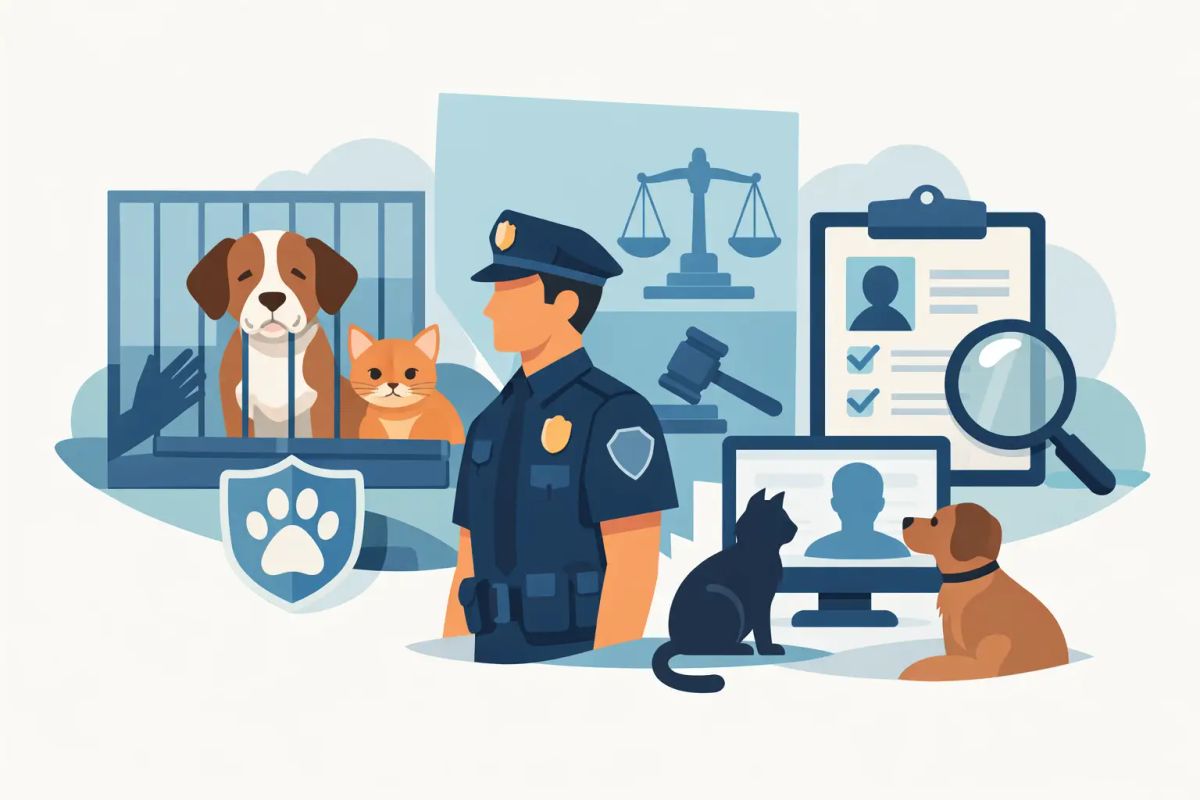
A person convicted of abusing an animal should not disappear into public anonymity the moment a case closes. That is the core public-interest argument behind a Nevada animal cruelty registry. If cruelty is serious enough to prosecute, it is serious enough to track in a way the public can understand.
For advocates, journalists, neighbors, and policymakers, a registry is not about spectacle. It is about accountability. It gives communities a clearer picture of who has committed documented cruelty offenses, helps expose patterns that too often stay buried in scattered court records, and reinforces a basic principle that animal abuse is not a private mistake. It is a public safety issue.
What the Nevada animal cruelty registry is meant to do
A registry exists to make confirmed cruelty offenses more visible. In practice, that means creating a centralized public resource that identifies offenders based on court outcomes rather than rumor, social media accusations, or incomplete local reporting. Without that kind of system, information is fragmented. A case might be covered briefly in a local news cycle, then vanish. Court records may exist, but they are often difficult for the average person to locate, interpret, or connect across jurisdictions.
A statewide registry changes that dynamic. It creates a structured way to track individuals convicted of animal cruelty offenses and gives the public a practical tool for awareness. That matters for people who work with animals, for rescues screening adopters or volunteers, and for residents who want to know whether abuse cases in their communities resulted in real consequences.
Just as important, a registry sends a policy message. It treats animal cruelty as conduct worthy of public accountability, not as an isolated incident to be forgotten once media attention fades.
Why public accountability matters
Animal cruelty is often minimized in ways other violent conduct is not. People still describe severe neglect, torture, starvation, or repeated abuse as if it were merely poor judgment. That framing is part of the problem. When systems treat cruelty lightly, offenders benefit from obscurity and communities are left without useful information.
Public accountability changes the terms of the conversation. It forces institutions to recognize that abuse against animals has broader implications. Many professionals in law enforcement, advocacy, and public safety have long understood the overlap between animal cruelty and other forms of violence. That does not mean every cruelty offender poses the same risk or has the same history. It does mean cruelty should never be dismissed as trivial.
A registry also creates civic pressure. When offenses are easier to see, failures are harder to ignore. Weak charging decisions, inconsistent sentencing, and gaps in enforcement become more visible when the public can view outcomes in one place. Transparency does not solve those problems by itself, but it makes it harder for them to stay hidden.
What a strong Nevada animal cruelty registry should include
Not every registry model is equally useful. If the goal is real public protection, design matters.
First, the information must be based on verified legal outcomes. A credible registry should center convictions or other clear adjudicated findings, not allegations alone. Public trust depends on accuracy. Advocacy loses strength when facts are loose.
Second, the data should be understandable to ordinary people. A list filled with unexplained legal codes is technically public but functionally inaccessible. Clear offense descriptions, dates, jurisdictions, and case status make the information meaningful.
Third, the registry should be statewide. Localized data leaves room for people to move, reappear elsewhere, or fall through jurisdictional cracks. Animal cruelty does not stop at county lines, and accountability should not either.
Fourth, updates matter. An outdated registry creates false confidence and weakens the case for reform. If a public tool is going to carry real weight, it has to be maintained with discipline.
There are trade-offs here. Privacy concerns, administrative burdens, and legal standards all affect how a registry is structured. Those concerns should be discussed honestly. But they should not be used as a shield for inaction. The harder question is not whether transparency has costs. It is whether the public cost of obscurity is worse. In animal cruelty cases, it often is.
What a registry can and cannot do
A registry is a tool, not a complete policy response. That distinction matters.
It can improve transparency, help the public track offenders, support better awareness, and strengthen calls for reform. It can also help expose repeat patterns that might otherwise look like isolated episodes. For advocacy organizations, it creates a concrete mechanism for documenting failure and pushing for stronger laws.
What it cannot do is replace enforcement. If animal control agencies are under-resourced, if prosecutors undercharge serious cases, or if judges treat cruelty as minor misconduct, a registry will not fix those failures on its own. It also cannot substitute for prevention work, humane education, mandatory offender restrictions where appropriate, or stronger reporting systems.
This is where some public conversations go off track. Critics sometimes argue that a registry is not enough, as if that is a reason not to build one. That misses the point. The fact that a registry is not a complete solution does not make it unnecessary. It makes it one part of a larger accountability system that still needs stronger laws, better enforcement standards, and real consequences.
Why Nevada needs a clear public standard on cruelty offenses
Nevada, like many states, faces the same structural problem seen across the country: animal cruelty laws can exist on paper while enforcement remains uneven in practice. Some cases draw public attention and serious charges. Others end quietly, with limited visibility and little sense of whether justice was served.
That inconsistency weakens deterrence. It also damages public trust. When residents see horrific abuse cases produce outcomes that feel opaque or inadequate, they are right to question whether the system is treating animal cruelty with the seriousness it deserves.
A registry helps establish a clearer standard. It tells the public that cruelty convictions are not administrative footnotes. They are matters of record with community relevance. For lawmakers, that standard matters too. A functioning public registry can reveal where statutes are too weak, where penalties do not match the harm, and where repeat offenders continue to surface.
This is one reason organizations such as Nevada Animal Advocates focus not only on awareness, but on accountability infrastructure. Awareness without a public mechanism for follow-through is too easy for institutions to absorb and ignore.
The common objections and where they fall short
The most common objections to registries usually come down to fairness, administration, and effectiveness.
Fairness concerns deserve a serious answer. Any public registry should be grounded in verified case outcomes and structured with care. But once a person has been convicted of animal cruelty, the public interest is not imaginary. Communities have a legitimate reason to know about conduct that resulted in a criminal finding, especially when that conduct involved abuse, neglect, torture, or killing.
Administrative concerns are real, but they are also manageable. States maintain public records in many other contexts because transparency serves a recognized civic purpose. Animal cruelty should not be treated as uniquely unworthy of organized public recordkeeping.
As for effectiveness, the standard should not be perfection. A registry does not need to solve every aspect of abuse prevention to justify its existence. If it improves visibility, supports screening, informs journalism, helps advocates identify patterns, and pressures policymakers to act, it is already doing meaningful work.
What residents and policymakers should demand
The baseline demand should be simple: if an animal cruelty offense leads to a conviction, the public should not have to conduct a courthouse scavenger hunt to find that information.
Residents should expect accurate, centralized, and accessible records. Journalists should expect usable data. Policymakers should expect scrutiny if they claim to support animal protection while tolerating systems that keep offender information fragmented or buried.
The larger demand is cultural as much as legal. Animal cruelty must be treated as a serious offense with lasting public relevance. That means stronger laws where needed, but it also means rejecting the old habit of treating cruelty as marginal compared with other public safety issues.
A registry does not create justice by itself. It creates visibility, and visibility is often the first condition for justice. When abuse is documented, public, and harder to dismiss, reform has firmer ground to stand on. That is why this issue matters, and why the push for accountability should not stop at awareness alone.