
Are Animal Cruelty Charges Public Records?
Published by Nevada Animal Advocates
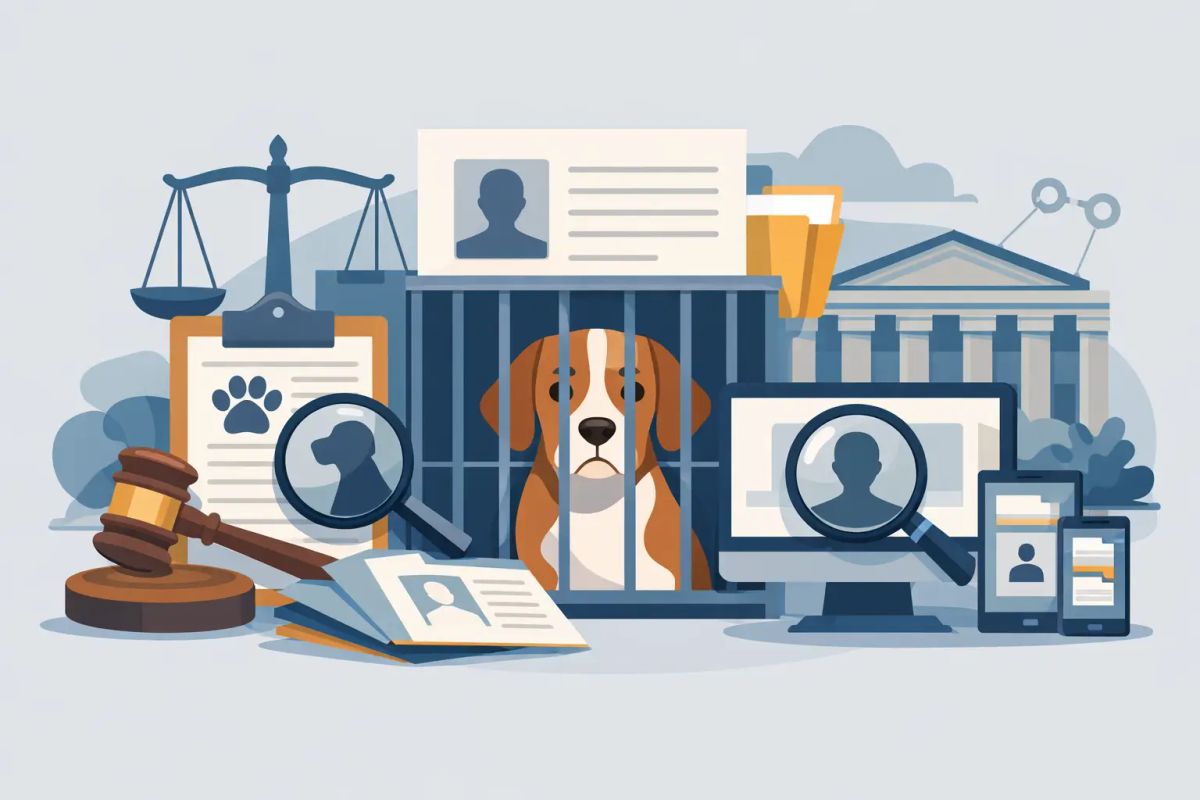
When a person is accused of abusing an animal, the public usually asks the same question right away: are animal cruelty charges public records? In many cases, yes. But the real answer depends on where the case is filed, what stage the case is in, and whether any part of the record has been sealed, restricted, or later dismissed.
That distinction matters. Public access to animal cruelty case information is not just a matter of curiosity. It is a matter of accountability, community safety, journalistic oversight, and legislative reform. If cruelty offenses are treated as serious crimes, then transparency has to follow.
Are animal cruelty charges public records in most cases?
Generally, criminal charges are part of the public court record. Animal cruelty charges are usually no exception. If a prosecutor files a criminal complaint, information or indictment, that filing is typically accessible through the court unless a judge orders otherwise.
In practical terms, that can mean the public may be able to see the defendant's name, the charges filed, hearing dates, docket entries, and in some cases supporting documents. Arrest records, booking information, and law enforcement incident reports may also be available under state public records laws, though access rules vary by agency and by state.
Still, "public" does not always mean easy to find. Some courts provide online access. Others require an in-person request. Some police agencies release only limited information during an active investigation. And some records are technically public but difficult for ordinary residents to locate without case numbers or legal familiarity.
What counts as a public record in an animal cruelty case?
People often use the phrase "public record" to mean any information the government has. Legally, the category is broader and more specific at the same time. In an animal cruelty case, public records can include court filings, charging documents, hearing schedules, judicial orders, plea agreements, sentencing records, and in many jurisdictions, arrest logs or incident reports.
That does not mean every detail is open for immediate inspection. Photographs, veterinary evidence, witness contact information, or records tied to an ongoing investigation may be withheld or redacted. Juvenile records are often protected. So are certain personal identifiers, such as home addresses, medical information, and names of minors.
This is where public expectations often clash with the legal system. The public may believe that once an accusation is made, every piece of evidence should be available. Courts and agencies usually move more cautiously. They balance transparency against due process, privacy rules, and the integrity of an active case.
Charges are not the same as convictions
This is one of the most important distinctions in any discussion of public records. A criminal charge means the government has formally accused someone of a crime. It does not mean guilt has been proven.
That matters for animal cruelty cases because these offenses can trigger intense public reaction, especially when allegations involve severe neglect, torture, hoarding, or the death of an animal. Public access is vital, but so is accuracy. Reporting and advocacy should reflect the stage of the case clearly. A charge is a formal allegation. A conviction is a legal finding or guilty plea.
For accountability systems, that difference shapes what can be listed, published, or promoted without creating confusion or unfairness.
When animal cruelty records may not be fully public
Even if the short answer to "are animal cruelty charges public records" is yes, there are real exceptions.
If the accused is a juvenile, records may be sealed or heavily restricted. If the investigation is ongoing and no charges have yet been filed, agencies may deny or delay release of reports. If a court seals documents for a legally recognized reason, those records may disappear from public view entirely or in part.
Cases that end in diversion programs, deferred adjudication, dismissal, or later record sealing can also become harder to track. Some states allow record sealing or expungement under certain conditions. Others keep basic docket history visible even when underlying documents are restricted.
There is also a practical issue many people miss: cruelty cases may begin under related charges, not always under a statute labeled "animal cruelty." Neglect, unlawful tethering, failure to provide care, illegal animal fighting, property violations, or public health offenses can appear in different legal categories. So even when records are public, they may not be obvious to search.
Police reports and court records are different
A police report and a court case are connected, but they are not the same thing. Police records are controlled by law enforcement agencies and public records laws. Court records are controlled by the judiciary and court access rules.
That split can create frustration. A court docket may show that charges were filed, while the police agency refuses to release the underlying incident report because the investigation remains active. Or a police agency may confirm an arrest, but the court file may not yet reflect the full case history.
For advocates, journalists, and concerned residents, this means one source rarely tells the whole story.
Why public access matters in animal cruelty cases
Animal abuse is not a private mistake with no public consequence. It is conduct that can signal broader patterns of violence, neglect, and risk. Communities have a legitimate interest in knowing how these cases are investigated, charged, prosecuted, and resolved.
Public records help expose weak enforcement. They show whether repeat offenders are cycling through the system without meaningful consequences. They allow reporters to compare charging decisions across counties. They help lawmakers identify gaps in sentencing, seizure authority, mandatory evaluations, and ownership restrictions.
Transparency also matters for prevention. When cruelty offenses are hidden, patterns stay hidden too. Public access supports watchdog work, informed voting, and pressure for stronger laws. It is one reason public-facing accountability tools, including registries in some jurisdictions, remain part of the broader reform conversation.
For organizations focused on systemic change, this is not abstract. Nevada Animal Advocates has centered public accountability because cruelty thrives where systems are opaque, fragmented, or too weak to deter repeat harm.
Are animal cruelty charges public records in Nevada?
In Nevada, criminal court records are generally public unless sealed or otherwise restricted by law or court order. That means animal cruelty charges filed in court will often be accessible through court systems or clerk requests. Law enforcement records may also be obtainable, though agencies can withhold some material during active investigations or under other legal exemptions.
Nevada residents should keep expectations grounded in process. Access may differ depending on whether the case is municipal, justice court, or district court. Local practices matter. Some records are easier to retrieve online than others. Some agencies respond quickly to records requests, while others require more persistence.
The larger point remains the same: transparency should not depend on luck, insider knowledge, or a person's ability to navigate bureaucratic obstacles. If the state treats animal cruelty as a serious offense, public access should be clear and workable.
What the public should watch for
When reviewing a cruelty case, the most useful questions are often simple. Was an arrest made? Were charges filed? Were charges reduced? Did the defendant plead guilty? Was there a conviction? Were animals seized, forfeited, or returned? Did the sentence include bans on ownership, mental health treatment, restitution, or probation conditions?
Those details say more than a headline ever will. They reveal whether the legal system treated the abuse as serious harm or as a disposable case file.
They also help separate transparency from rumor. In high-emotion cases, incomplete information spreads fast. Public records offer a firmer basis for civic response, whether that means attending hearings, contacting lawmakers, or demanding stronger enforcement standards.
The bottom line on whether animal cruelty charges are public records
In most criminal justice systems, animal cruelty charges are public records once formally filed, but access is not always complete, immediate, or simple. Some records will be open. Some will be redacted. Some may be sealed. And some cases will be harder to identify because of how they are charged or processed.
That is exactly why public accountability work matters. Transparency should not be treated as optional when the subject is cruelty to living beings. Public records are one of the few tools ordinary people have to monitor whether laws are enforced, whether repeat offenders face real consequences, and whether the system is protecting animals or failing them.
If a case involves alleged abuse, the public deserves clarity, not a maze. And when the law leaves too much hidden, that is not a reason to back off. It is a reason to push harder for reform.